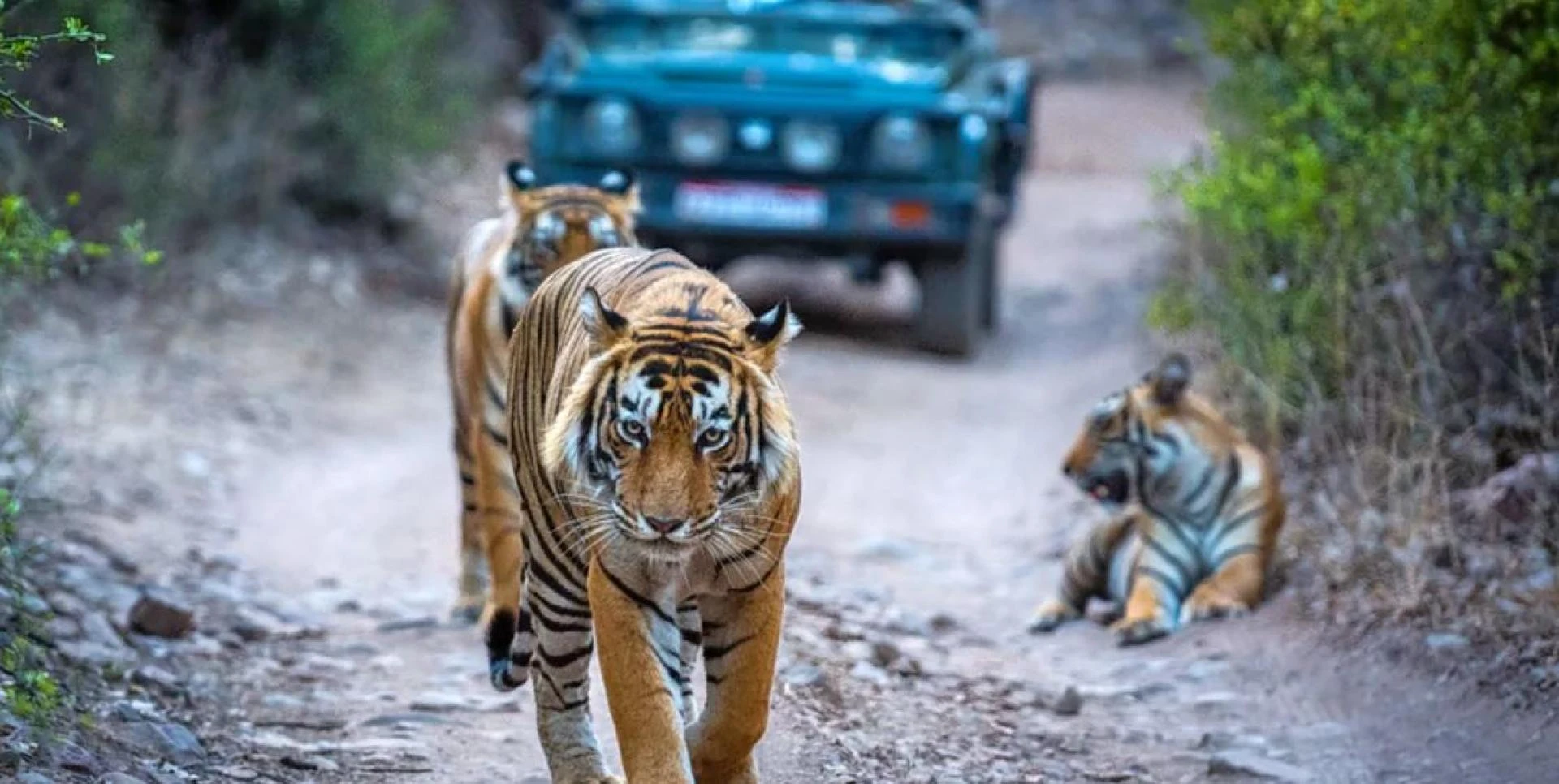
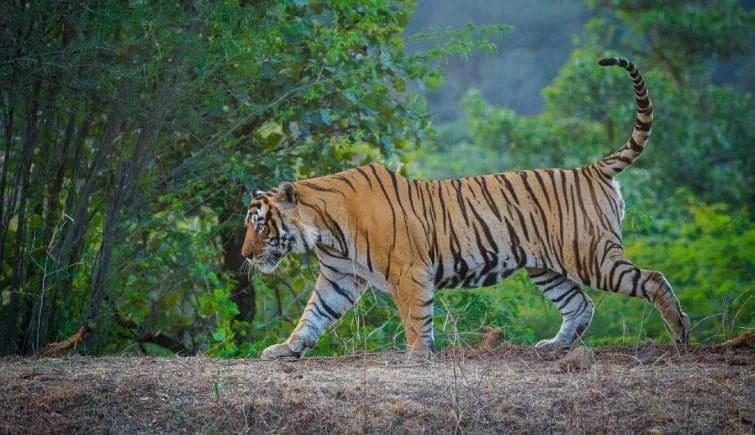
India is home to more than seventy percent of the world’s wild tiger population, spread across dozens of protected reserves. Yet, among wildlife photographers, seasoned naturalists, and first-time adventurers, Ranthambore National Park consistently emerges at the top of the conversation. Nestled at the junction of the ancient Aravalli and Vindhya hill ranges in southeastern Rajasthan, this legendary landscape offers an intersection of wildlife conservation, biodiversity, and royal history.
Evaluating whether Ranthambore is genuinely the premier tiger reserve in India requires looking past the hype to analyze its habitat dynamics, sighting probabilities, safari infrastructure, and overall wilderness experience.
Why Ranthambore Stands Out Among Indian Tiger Reserves
The reputation of Ranthambore rests largely on its terrain. Unlike the dense, evergreen canopies of South India or the tall elephant grass of Assam, Ranthambore features an open, dry deciduous forest dominated by Anogeissus pendula (Dhok trees). During the dry months, trees shed their foliage, and undergrowth recedes, significantly enhancing visibility across vast distances.
Tigers in Ranthambore are famously diurnal in their activity patterns. Decades of strict protection and sustained eco-tourism have habituated resident big cats to vehicles, allowing visitors to witness natural behaviors—such as hunting, patrolling territory, and nursing cubs—without causing distress to the animals. The lineage of legendary big cats like Machli, Arrowhead, and Noor has made the reserve one of the most thoroughly documented tiger habitats on the planet.
A Living Heritage: Wildlife Meets History
What truly separates Ranthambore from counterparts like Bandhavgarh, Kanha, or Tadoba is its evocative historical aesthetic. Towering over the park is the 10th-century UNESCO World Heritage Ranthambore Fort. Ancient stone ruins, centuries-old hunting lodges, crumbling arches, and chhatris (cenotaphs) are scattered throughout the wilderness.
Seeing a Royal Bengal Tiger stroll past the stone pavilions of the Raj Bagh ruins or rest on the banks of Padam Talao is a sight unique to this corner of Rajasthan. In addition to apex predators, the park supports a balanced ecosystem featuring:
- Leopards, sloth bears, striped hyenas, and caracals
- Large herbivore herds including sambar deer, chital (spotted deer), and nilgai
- Marsh crocodiles basking around Raj Bagh, Malik, and Padam lakes
- Over 300 avian species, making it an exceptional birdwatching corridor
Understanding Safari Logistics and Zones
The reserve spans ten designated safari zones. Zones 1 through 5 comprise the core heritage sector, famed for water bodies and historical structures, while Zones 6 through 10 represent scenic buffer areas with rugged hills, valleys, and expanding tiger territories.
The Rajasthan Forest Department strictly regulates park entry through two shifts daily—morning and afternoon. Visitors can choose between open-top 6-seater Gypsies or larger 20-seater vehicles. For family groups and budget-conscious wildlife enthusiasts, embarking on a canter safari in Ranthambore provides an elevated vantage point that makes tracking through shrubby terrain and photography accessible and immersive.
Best Time to Plan Your Expedition
Planning around seasonal patterns ensures your safari delivers the sightings you hope for:
- Winter (October to March): Temperatures remain crisp and pleasant, between 10°C and 25°C. The park is lush following the monsoon rains, making this period ideal for birdwatching and scenic landscape photography. Tigers frequently emerge onto open tracks and sunlit clearings to warm themselves.
- Summer (April to June): While temperatures often exceed 40°C, the dry conditions draw wildlife to remaining lakes and artificial watering holes. For dedicated wildlife photographers, this season delivers the highest frequency of predator sightings.
- Monsoon (July to September): Core zones 1 through 5 close for rejuvenation and breeding season, though select buffer routes may remain accessible.
Balancing Wilderness with Premium Hospitality
A complete wildlife expedition blends thrilling tracking sessions with restorative comfort. After spending hours navigating dusty jungle trails, retreating to a serene base enhances the entire travel experience. Opting for a luxury resort in Ranthambore ensures guests enjoy refined amenities, authentic Rajasthani dining, swimming facilities, and tranquil surroundings adjacent to the park boundaries.
Properties like Ranthambore Tiger Resort provide dedicated naturalists, heritage architecture, and customized safari coordination. Booking the best Ranthambore tour packages ensures seamless permits, curated zone allocations, transfers, and tailored itineraries so travelers can focus entirely on the wilderness.
The Verdict: Is It Truly the Best?
While Central Indian parks like Kanha offer expansive sal forests and Kaziranga provides unmatched rhino density, Ranthambore holds a distinct crown. Its combination of daytime visibility, well-managed track networks, royal ruins, and high big-cat density makes it arguably the most captivating and rewarding tiger reserve in the world. For anyone seeking a quintessential Indian safari, Ranthambore remains the gold standard.