Healthy teeth depend on healthy gums. While brushing and flossing are essential parts of oral hygiene, gum health can become compromised when plaque and bacteria accumulate around the teeth. Over time, untreated gum inflammation can progress and affect the tissues and bone supporting the teeth. Recognizing the early signs and seeking professional care can help protect both oral health and the long-term stability of your smile.
For patients searching for periodontists in Miami FL, understanding periodontal disease is an important first step. Periodontal disease affects the structures that support the teeth, including the gums, periodontal ligament, and alveolar bone. The American Dental Association (ADA) explains that periodontitis is a chronic infection that can destroy these supporting structures and potentially contribute to tooth loss. Treatment may be nonsurgical or surgical depending on the severity and individual circumstances.
What Is Periodontal Disease?
Periodontal disease is a broad term used for conditions affecting the tissues surrounding and supporting the teeth. It often begins with gingivitis, an early stage of gum inflammation associated with plaque buildup.
When plaque is not adequately removed, it can harden into tartar. Unlike plaque, tartar cannot simply be brushed away at home. As bacteria and inflammation continue to affect the gums, pockets can develop between the teeth and gums, creating areas where additional bacteria can accumulate.
If periodontal disease progresses, it may damage the supporting bone and tissues around the teeth.
Common warning signs can include:
- Gums that bleed during brushing or flossing
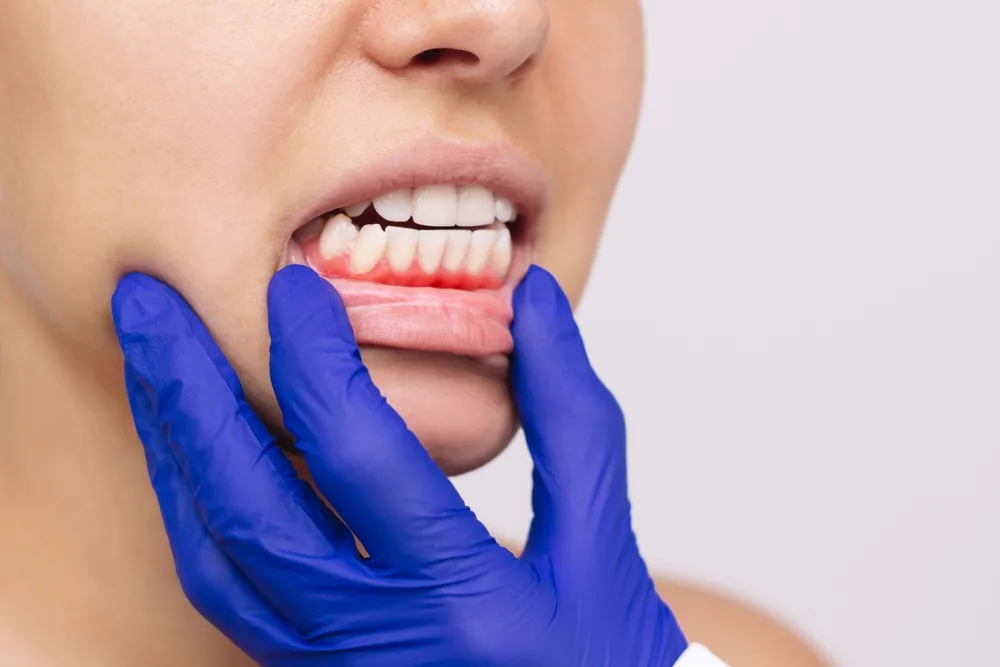
- Red, swollen, or tender gums
- Persistent bad breath
- Gum recession
- Loose teeth
- Changes in the way teeth fit together
- Increased sensitivity
- Changes in existing dental restorations
Not everyone experiences obvious symptoms in the early stages, which is one reason routine dental examinations are important.
Why Early Detection Matters?
Gum disease can progress gradually, and patients may not always notice that something is wrong. A small amount of bleeding during brushing, for example, may be dismissed as insignificant.
However, persistent bleeding or inflammation should not simply be ignored.
The ADA notes that periodontal disease can result in loss of tooth-supporting structures and eventual tooth loss. It also explains that periodontal treatment aims to eliminate disease-causing plaque biofilm and calculus while creating an environment that can be maintained in good health.
Early professional evaluation can help determine whether the problem is limited to gingivitis or has progressed to periodontitis.
What Causes Gum Disease?
Plaque is one of the primary factors involved in gum disease. It is a sticky film containing bacteria that continuously forms on teeth.
Daily brushing and cleaning between teeth can help control plaque, but several other factors may influence periodontal health. These can include tobacco use, oral hygiene habits, certain systemic conditions, genetics, and individual susceptibility to periodontal disease.
This means periodontal care should not be viewed as simply treating a surface-level dental problem. A comprehensive approach considers the patient's overall oral condition and risk factors.
How Is Periodontal Disease Diagnosed?
A periodontal evaluation may involve examining the gums, measuring periodontal pockets, checking for bleeding, assessing tooth mobility, and reviewing dental X-rays when appropriate.
These findings help the dental professional determine the extent and severity of periodontal disease.
Modern periodontal classification also considers factors such as attachment loss, bone loss, disease complexity, and potential progression. The ADA notes that periodontitis is classified using stages and grades that help describe severity, extent, complexity, and risk of progression.
An accurate diagnosis is important because treatment should be customized to the patient's condition rather than based on a one-size-fits-all approach.
Nonsurgical Periodontal Treatment
Many periodontal cases can initially be managed with nonsurgical treatment.
One common approach is scaling and root planing, often called a deep cleaning. During this procedure, dental professionals remove plaque and calculus from above and below the gumline and smooth the tooth roots to help create a healthier environment for the gums.
The ADA identifies scaling and root planing as the treatment of choice for patients with periodontitis in its clinical guidance on nonsurgical treatment.
Depending on the patient's condition, additional treatments may sometimes be considered. The goal is to control infection, reduce inflammation, and make it easier for the patient to maintain oral hygiene.
When More Advanced Treatment May Be Necessary
Not every case responds adequately to nonsurgical treatment. More advanced periodontal disease may involve deeper pockets, significant bone loss, or other complications that require additional intervention.
Depending on the diagnosis, treatment may include periodontal pocket reduction procedures, gum grafting, regenerative procedures, or other surgical approaches.
The ADA explains that surgical periodontal treatment can provide access to affected root surfaces and may be used to address pocket depth, anatomical issues, gum recession, or bone destruction.
The appropriate procedure depends on the location and severity of disease, remaining tooth structure, bone support, and the patient's overall needs.
Modern Technology in Periodontal Care
Technology has become an increasingly important part of modern dental and periodontal treatment.
Digital imaging can help clinicians evaluate structures that cannot be fully assessed through a visual examination alone. Advanced treatment technologies may also support more precise diagnosis and targeted treatment planning.
Some practices also use laser-assisted periodontal techniques as part of their treatment approach. Sharp Dentistry & Associates, for example, lists laser periodontal therapy, scaling and root planing, periodontal maintenance, and antibiotic therapy among its periodontal treatment options.
Technology should complement professional diagnosis and clinical expertise rather than replace them. The most appropriate treatment still depends on the individual patient's periodontal condition.
The Importance of Periodontal Maintenance
Completing active periodontal treatment is not necessarily the end of the process.
Periodontal disease can return if plaque and other risk factors are not effectively controlled. Regular maintenance appointments allow dental professionals to monitor gum health, identify signs of recurrence, and provide professional plaque and calculus removal when necessary.
The ADA notes that patients with a history of periodontitis require long-term supportive care to help prevent recurrence and monitor periodontal health.
At home, patients can support their periodontal health by brushing twice daily, cleaning between their teeth, following professional recommendations, and attending regular dental visits.
Gum Health and Your Overall Oral Health
Healthy gums provide the foundation for healthy teeth. When periodontal tissues become damaged, the effects can extend beyond the appearance of the gums.
Periodontal health is also relevant when patients are planning restorative or cosmetic dental procedures. A dentist may need to address active gum disease before proceeding with certain treatments because healthy supporting tissues are important for long-term oral stability.
For this reason, comprehensive dental care often involves evaluating the gums as well as the teeth.
What to Do During a Dental Emergency?
Some oral problems require immediate attention rather than waiting for a routine dental appointment. Severe tooth pain, dental infections, abscesses, knocked-out teeth, significant fractures, uncontrolled bleeding, and certain oral injuries can require urgent evaluation.
If someone experiences a sudden and severe dental problem, knowing where to seek urgent care can help avoid unnecessary delays. Patients who need an emergency dentist in Coconut Grove, Miami, FL can learn more about the types of urgent dental problems that may require immediate attention and the steps to take during a dental emergency.
A dental emergency can sometimes involve both the teeth and surrounding gum tissues, so prompt evaluation is particularly important when swelling, infection, or significant pain is present.
Building a Long-Term Plan for Gum Health
Periodontal treatment should be viewed as an ongoing investment in oral health rather than a one-time procedure. Early diagnosis, appropriate treatment, professional maintenance, and consistent home care can work together to help control gum disease.
Patients should also communicate changes in their oral health to their dental team. Persistent bleeding, swelling, recession, sensitivity, loose teeth, or changes in bite should not be ignored.
With regular professional monitoring and an individualized treatment plan, many patients can take meaningful steps toward maintaining healthier gums and preserving their natural teeth.
A Healthier Foundation for Your Smile
Periodontal health plays a fundamental role in maintaining a stable, functional smile. From early gingivitis to advanced periodontitis, recognizing warning signs and obtaining professional evaluation can make a significant difference in treatment planning.
Modern periodontal care combines clinical examination, evidence-based treatment, advanced technology, and long-term maintenance. Whether the goal is controlling gum disease, protecting supporting bone, addressing gum recession, or maintaining the results of previous treatment, personalized periodontal care provides a structured path toward better oral health.
The most important step is not waiting until gum disease becomes painful. Regular dental care and timely periodontal evaluation can help identify problems earlier and support the long-term health of your teeth and gums.