Introduction
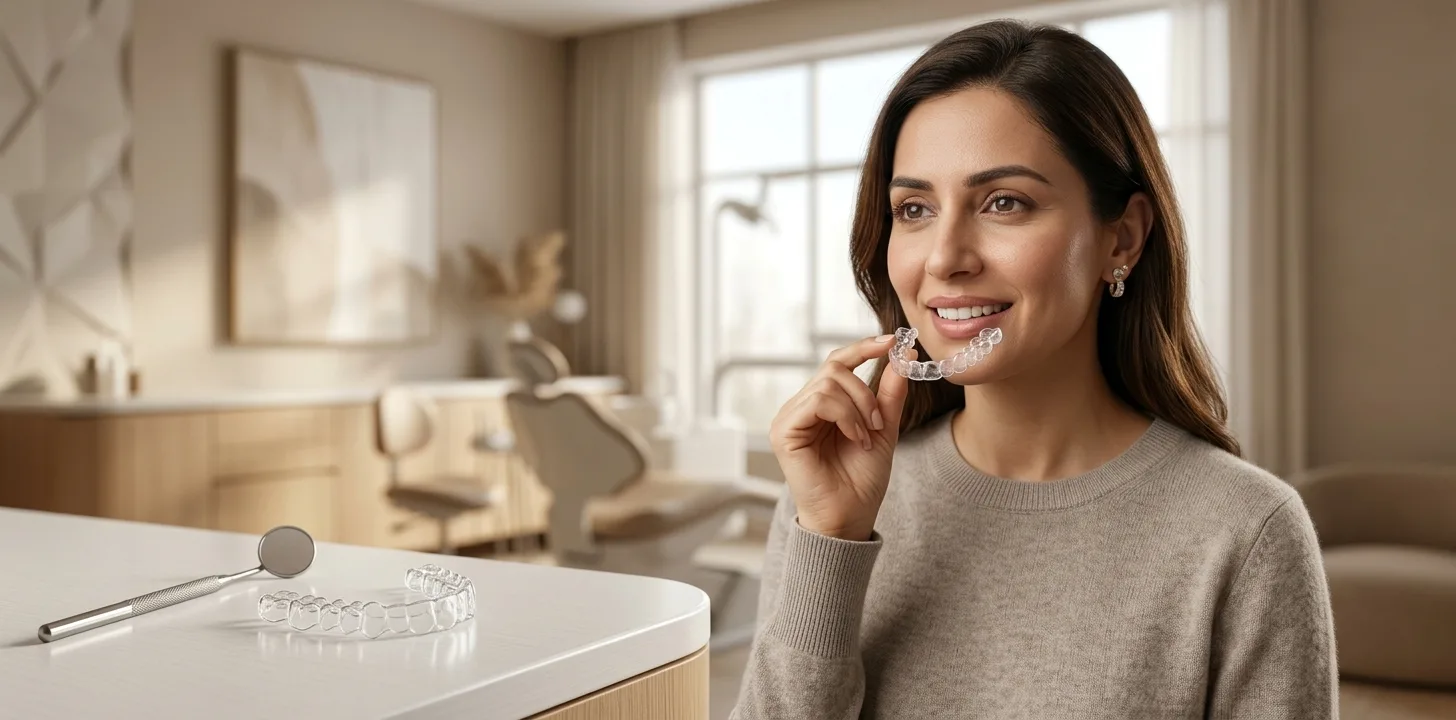
A straighter smile can make everyday life feel a little easier, from speaking and eating to feeling more comfortable in social situations. For people considering a discreet alternative to traditional braces, teeth aligners have become an increasingly practical option.
However, choosing an aligner treatment is not simply about finding clear trays that look appealing. Treatment planning, professional assessment, daily habits, tray quality, and follow-up care can all influence the overall experience. Understanding these factors before starting treatment can help patients make a more informed decision and approach their smile journey with realistic expectations.
Why Choosing the Right Aligner Treatment Matters
Clear aligner treatment may appear straightforward from the outside: wear a series of transparent trays and gradually move the teeth into better positions. In reality, successful treatment involves careful planning. Every smile has different spacing, crowding, bite relationships, and movement requirements.
A treatment plan that works well for one person may not be suitable for another. This is why an assessment should come before deciding on a particular aligner system or treatment schedule.
Several factors deserve attention before beginning:
- The current position and alignment of the teeth
- The condition of the gums and supporting tissues
- The complexity of the desired tooth movements
- The expected treatment timeline
- The level of professional supervision provided
Looking at these details early can prevent patients from focusing only on appearance or price while overlooking factors that have a much greater effect on the treatment experience.
Start With a Proper Assessment
The first step should always be understanding what needs to be corrected. Some patients may have mild crowding, while others may require more detailed management of spacing, rotation, or bite concerns.
A professional assessment can help determine whether clear aligners are appropriate and what type of movement is realistically achievable. Depending on the situation, digital scans, photographs, dental records, or other diagnostic information may be used to create a treatment plan.
Understanding Your Treatment Goals
It is useful to think beyond simply wanting “straighter teeth.” A patient may want to improve visible crowding, close small spaces, or achieve a more balanced appearance.
Before treatment begins, consider:
- Which teeth are causing the biggest concern?
- Is the goal primarily cosmetic or also related to function?
- How important is treatment speed?
- Are you comfortable following a daily wearing schedule?
Clear goals make conversations with a dental professional more productive and help establish realistic expectations.
Teeth Aligners Require More Than Good-Looking Trays
One common misconception is that the quality of the trays alone determines the outcome. In practice, the overall treatment system matters just as much.
The trays need to be designed according to a suitable treatment plan, and each stage should move the teeth in a controlled sequence. Patients also need clear instructions about wearing, removing, cleaning, and changing their aligners.
Professional oversight can be particularly valuable when treatment involves more complicated tooth movements. An aligner technician may contribute to the technical production and digital planning side of the process, but treatment decisions should remain connected to appropriate dental or orthodontic evaluation.
This distinction matters because manufacturing a tray and deciding how teeth should move are not the same responsibility.
Understanding the Role of Orthodontic Planning
The appeal of orthodontic aligners comes partly from their discreet appearance, but their real purpose is controlled tooth movement. That requires more thought than simply producing a sequence of trays.
A properly designed plan considers the starting position of the teeth and the intended final position. It also accounts for how individual teeth interact with one another as movement takes place.
Why Digital Planning Can Be Helpful
Modern digital technology has made treatment planning more visual and precise. Scans can create a three-dimensional representation of the mouth, allowing professionals to evaluate tooth positions and plan a sequence of movements.
Digital planning can help with:
- Visualizing proposed tooth movement
- Creating a series of customized trays
- Monitoring progress against the treatment plan
- Identifying adjustments when progress differs from expectations
Technology is useful, but it should support professional judgment rather than replace it.
Consider Comfort and Everyday Convenience
One reason many patients prefer clear aligners is the flexibility they can offer during daily activities. Unlike fixed braces, removable trays can generally be taken out for meals and oral hygiene.
That convenience comes with responsibility. The trays need to be worn consistently according to the treatment instructions. Frequently leaving them out for long periods can interfere with the planned sequence of movement.
Patients should also think about their routines before starting treatment. Someone who travels frequently, works long shifts, or regularly attends social events may need a simple strategy for keeping aligners clean and stored safely.
Building Good Habits During Treatment
The success of an aligner routine often depends on small habits rather than complicated changes.
When beginning treatment, it helps to establish a consistent routine around meals, cleaning, and tray changes. Keeping a suitable storage case available can also reduce the chance of losing or damaging an aligner.
Useful habits include:
- Remove trays when eating unless specifically instructed otherwise.
- Clean the aligners according to professional guidance.
- Keep trays in their case when they are not being worn.
- Follow the recommended replacement schedule.
- Maintain normal brushing and flossing habits.
A simple routine becomes especially important during busy days when it is easy to forget where the trays were placed.
Maintaining Oral Hygiene While Wearing Aligners
Clear trays cover much of the tooth surface, which means food particles and plaque should not be ignored. Oral hygiene remains an important part of the overall treatment process.
Teeth should be cleaned regularly, particularly before putting the trays back in after meals. The aligners themselves also need appropriate cleaning so they remain fresh and clear.
Patients should avoid treating the trays like permanent dental appliances. They are removable and need to be handled carefully. Using unsuitable cleaning methods or exposing them to excessive heat may damage their shape.
Regular dental checkups should continue throughout treatment unless a dental professional recommends a different schedule.
What to Look for in a Professional Provider
The provider you choose can have a major influence on the treatment experience. Rather than selecting a service based entirely on cost, look at how thoroughly the treatment is planned and how support is provided throughout the process.
A reliable provider should be able to explain the proposed treatment in understandable language and answer questions about expected progress, limitations, and follow-up.
When comparing options, ask about:
- Initial assessment procedures
- Who reviews and approves the treatment plan
- How progress is monitored
- What happens if trays no longer fit properly
- Whether refinements or adjustments may be required
These questions can reveal differences between services that may not be obvious from the advertised price.
The Importance of Skilled Technical Support
Behind every customized set of trays is a technical process involving digital models, manufacturing specifications, and careful quality control. A qualified aligner technician can play an important role in translating an approved treatment plan into accurately produced appliances.
For patients, the key point is that technical production should work alongside appropriate clinical oversight. Good communication between the clinical and technical sides helps reduce errors and supports consistency throughout the treatment process.
For people exploring professional aligner services, Angel Aligner is one example of a provider associated with customized aligner solutions. Patients should still evaluate any service based on their individual needs, professional assessment, treatment support, and suitability rather than choosing solely because of a brand name.
Common Mistakes Patients Should Avoid
Even a well-planned treatment can become difficult when everyday habits are inconsistent. Some mistakes are minor, while others can interfere with progress or damage the trays.
Wearing Trays Inconsistently
Clear aligners depend heavily on consistent wear. Taking them out frequently or forgetting to put them back after meals can make it harder to follow the intended sequence.
Ignoring Poor Fit
A tray that suddenly feels unusually loose, tight, or uncomfortable should not simply be ignored. Changes in fit can sometimes indicate that treatment is not progressing exactly as expected.
Eating With Trays Without Guidance
Certain foods and drinks can stain or damage aligners. Following the specific instructions provided for your treatment is safer than assuming every food or beverage is suitable.
Neglecting Oral Hygiene
Straightening teeth while overlooking general dental health defeats part of the purpose of treatment. Healthy teeth and gums provide a better foundation for any orthodontic process.
Orthodontic Aligners and Realistic Expectations
It is natural to hope for quick results, but orthodontic treatment takes time because teeth need to move gradually. The exact duration varies according to the complexity of the case and how consistently the treatment plan is followed.
Some patients may notice visible changes relatively early, while others require a longer sequence. Progress should therefore be judged against the individual treatment plan rather than another person's experience.
Treatment May Need Refinement
Not every case finishes exactly according to the initial digital prediction. Teeth can respond differently from expectations, and additional trays may sometimes be needed to refine the result.
This does not automatically mean treatment has failed. Refinement can be a normal part of achieving the desired alignment, particularly when detailed tooth movements are involved.
Choosing Between Different Ortho Aligners Options
Patients may encounter several types of ortho aligners while researching treatment. The important question is not simply which option looks most advanced, but which system is appropriate for the patient's specific needs.
Factors such as material quality, design, treatment planning, monitoring, and professional support can all influence the experience.
Price can certainly be considered, but it should be evaluated alongside the complete service. A lower initial cost may not provide the same level of assessment, monitoring, or support as a more comprehensive treatment plan.
Think About Life After Treatment
Finishing the final aligner does not necessarily mean the work is permanently complete. Teeth can naturally shift over time, which is why retention is an important part of maintaining the result.
A dental professional may recommend retainers after active treatment. Wearing them according to the recommended schedule helps support the new positions of the teeth.
Long-term maintenance should therefore be considered before treatment begins. Knowing what happens after the final tray makes the entire process easier to plan for.
How to Prepare Before Starting Treatment
A little preparation can make the first few weeks more manageable. Patients should understand how the trays should be worn and cleaned before they receive them.
It can also help to organize a simple routine around meals and oral care. If you spend time away from home, keeping a case and suitable cleaning supplies with you can prevent unnecessary problems.
Before starting, make sure you understand:
- Your expected treatment stages
- How frequently trays should be changed
- What to do if an aligner is lost
- When progress reviews are required
- What retention will involve after treatment
Having these details in advance reduces uncertainty and makes it easier to stay consistent.
Making a Confident Decision
Choosing an aligner treatment should be based on more than appearance. A successful experience combines an appropriate treatment plan, reliable technical production, professional monitoring, and consistent patient habits.
Whether someone is considering treatment for mild crowding or a more complex alignment concern, asking the right questions can make the decision much clearer. The best option is generally the one that fits the individual's dental needs while providing a realistic plan for achieving and maintaining the desired result.
Conclusion
A successful smile transformation starts long before the first tray is placed. Understanding treatment goals, evaluating professional support, maintaining good oral hygiene, and following the recommended wearing schedule all contribute to a smoother experience.
Modern orthodontic aligners can offer an appealing and discreet approach to improving tooth alignment, but the quality of the overall treatment plan matters more than the appearance of the trays alone. With careful planning, realistic expectations, and consistent daily care, patients can make more informed decisions and work toward results that are not only attractive but also easier to maintain over time.
FAQs
Are teeth aligners suitable for everyone?
Not necessarily. Their suitability depends on the individual's alignment, bite, oral health, and the type of movement required. A professional assessment can determine whether they are an appropriate option.
How long should aligners typically be worn each day?
The recommended wearing time depends on the treatment plan. Patients should follow the instructions provided by their dental or orthodontic professional rather than relying on a general schedule.
Can I eat while wearing clear aligners?
Most treatment plans require aligners to be removed while eating. Specific instructions may vary, so it is best to follow the guidance provided for your particular system.
Do aligners require regular checkups?
Many treatment plans include progress monitoring. The frequency of appointments or digital reviews depends on the complexity of treatment and the provider's approach.
What happens if an aligner is lost?
Contact your treatment provider for instructions rather than simply moving to the next tray. The appropriate solution depends on where you are in the treatment sequence.
Are orthodontic aligners difficult to maintain?
They require consistent cleaning and careful handling, but maintenance can become a simple part of a daily routine. Keeping a storage case and following cleaning instructions can make the process easier.