
After an amazing ride, every rider recalls the same sensation:
- Parking the bike
- The motor ticking as it cools
- The adrenaline still settling
- That peaceful sense of pleasure
What happens after you swing your leg off the seat is just as important as the ride itself. An effective post-ride routine prolongs the life of your bike, catches minor issues early, and ensures every ride is as smooth as the last.
Here are several habits you should incorporate into your post-ride routine:
Before You Do Anything, Let the Engine Cool
It may be tempting to start cleaning your bike or checking the fluid levels as soon as you park. But a hot engine and exhaust system need time to cool first. Checking fluids like oil when everything is still expanded by heat might result in false readings and touching hot components can result in burns.
Before beginning any hands-on inspection, give your bike at least fifteen to twenty minutes to settle. In addition to the technical benefit, this little rest allows you to mentally unwind from the ride, which many riders find just as valuable as the mechanical one.
Do a Quick Visual Walkaround
Once things have cooled, walk around your bike and check the following:
- Tyres for embedded debris, unusual wear patterns or low pressure
- Chain for tension and any looseness
- Underneath for fresh drips or stains that weren’t there before you left
Riders frequently identify problems, such as a slow leak or a loosened bolt, with this two-minute practice long before they develop into a breakdown on their next journey. It’s one of the most beneficial habits a rider can develop and it hardly takes any time.
Clean Off Road Grime Regularly
Road residue, dust and bugs are not just simply visual problems. They may damage paint, clog radiator fins, and corrode exposed metal parts if left on the bike for too long, especially following a ride in damp or dusty conditions. Although you don’t have to wash your bike after every ride, you can prevent dirt buildup by cleaning the exterior surfaces and checking the chassis after longer journeys.
Check and Top Off Fluids
Once the engine has cooled to a safe, stable temperature, check:
- Oil level
- Coolant
- Brake fluid
Riding style is important in this situation. If you’ve been pushing the bike harder than normal, it’s worth checking more frequently because aggressive riding on a capable machine tends to run fluids through more rigorous cycles than leisurely commuting. Early detection of a low fluid level is significantly less expensive than finding it after damage has already been done.
Inspect Your Chain and Sprockets
A dry or loose chain doesn’t just wear out faster. It can also affect handling and cause sudden power loss if it fails. Check the chain tension and lubrication after especially dusty or wet rides. Over time, a well-maintained chain will run quietly, shift more smoothly, and put less stress on your sprockets, saving you money on future replacements that are costly.
Store It Properly
Where and how you park your bike between rides matter more than most people realise:
- Use a breathable cover to protect it from dust, sun exposure, and moisture, particularly if you’re storing it outdoors
- Trapped moisture under an inadequately ventilated cover might promote rust. Thus, pick a dry and shady area.
- If you intend to keep the bike for a long time, disconnect the battery or use a trickle charger to keep it from running out entirely.
Remembering these basics can be useful. Sunlight may damage rubber parts like grips, seals, and fade paint.
Keep a Simple Maintenance Log
It sounds unnecessary until the day it saves you time and money. Worth jotting down:
- Dates for oil changes
- Tyre replacements
- Any strange sounds or problems that you saw
When you eventually sell the sports bike, bring it in for maintenance, or just want to monitor trends in wear and performance over time - this record provides you with a clear maintenance history.
Listen to the Bike, Not Just the Manual
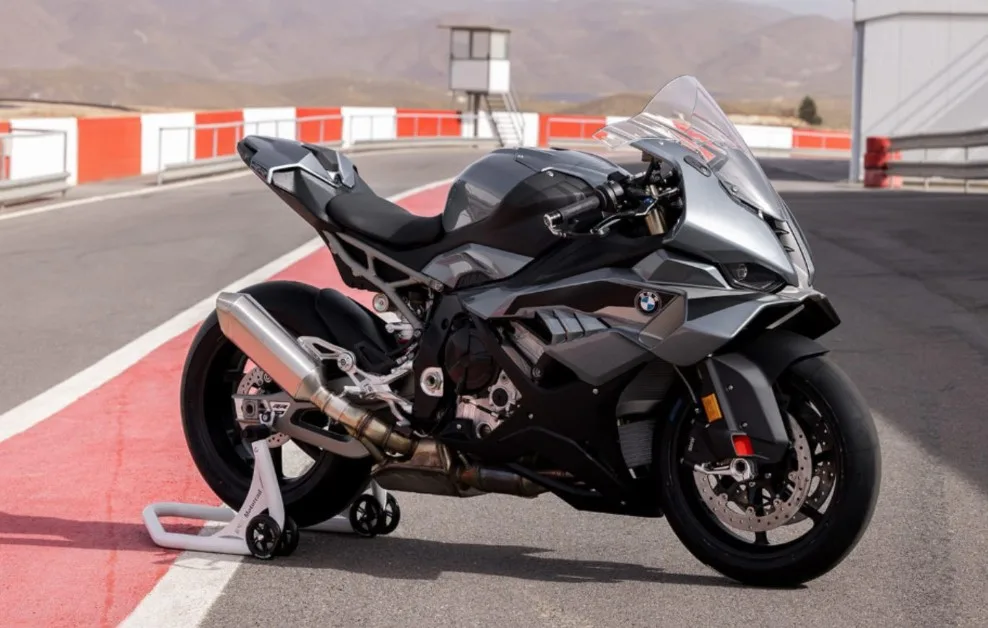
Service manuals give you intervals and checklists, but every machine develops its own personality over time. A slight change in exhaust note, a new vibration at certain speeds or a subtle shift in how the brakes feel are all things a manual won’t tell you to check, but an attentive owner will notice. Riders who own something like a BMW S1000RR often say this instinct develops naturally, simply from spending enough time with a machine capable of that kind of performance.
Ultimately, caring for a bike isn’t just about performance numbers or top speed. It’s about respecting the machine enough to give it the attention it needs between rides. That way, every time you take it out, it’s ready to perform as you expect.