A public event can bring people together, create memorable experiences, and attract visitors from across a community. However, behind every successful festival, concert, sporting event, or outdoor market is a plan for managing the people and vehicles arriving at the venue. Without proper arrangements, busy entrances, limited parking, and crowded pedestrian areas can quickly become difficult to manage.
This is why choosing suitable event traffic management companies is an important part of event preparation. Professional traffic management support helps organisers consider potential risks, coordinate vehicle movements, and make access safer and more organised for visitors, workers, and the surrounding community.
What Makes Event Traffic Management Different?
Managing traffic during an event is not quite the same as managing a regular roadwork site. The number of visitors can change throughout the day, vehicles may arrive in large groups, and pedestrians often move between parking areas, entrances, food stalls, and activity zones.
Some events also take place near busy roads or public spaces where normal traffic needs to continue moving. Organisers must consider both event visitors and people who are simply travelling through the area.
A suitable plan takes these different movements into account. It identifies where congestion may occur, how access should be managed, and what arrangements are needed to keep pedestrians and vehicles separated wherever practical.
What Should an Event Traffic Management Plan Cover?
An event traffic management plan should be developed around the actual venue, event schedule, expected attendance, and surrounding road conditions. Rather than using a standard layout for every occasion, organisers need arrangements that reflect the specific risks of their event.
Here are some important areas to consider.
1. Visitor Arrival and Departure
The beginning and end of an event can be particularly busy. Visitors may arrive within a short period, creating queues near entrances and parking areas. At the end, large numbers of people may leave at once.
Planning vehicle entry and exit points, parking access, and traffic movement routes can help reduce unnecessary congestion. Organisers should also consider how delivery vehicles and service providers will access the venue without conflicting with visitor movements.
2. Safe Pedestrian Movement
Pedestrian movement deserves just as much attention as vehicle access. Visitors may walk from nearby streets, public transport stops, or parking facilities to reach the event.
Clearly identified walking routes, suitable crossing points, barriers, and accessible pathways can help people move around the venue more safely. Extra consideration may be needed near busy entrances and areas where crowds are likely to gather.
3. Parking and Restricted Access
Limited parking can create problems for both visitors and nearby residents. Drivers may stop in unsuitable locations or search for spaces around surrounding streets.
Event organisers should identify available parking areas, communicate restrictions, and consider whether additional traffic control arrangements are required. Temporary road restrictions or closures may also need approval from the relevant authority.
4. Emergency Vehicle Access
Emergency access should never be overlooked. The event layout and traffic arrangements need to consider how emergency services can reach the venue and relevant areas if assistance is required.
Organisers should coordinate these requirements with the appropriate authorities and ensure that access arrangements are understood by the people responsible for managing the event.
5. Unexpected Traffic Changes
Even carefully planned events can face unexpected situations. Bad weather, higher attendance than expected, vehicle breakdowns, or changes to the event schedule can affect traffic conditions.
A practical plan should identify communication responsibilities and suitable procedures for responding to changing circumstances. The team should know who to contact and how any necessary changes will be managed.
How Do Event Traffic Management Companies Support Organisers?
Professional providers can help turn planning requirements into practical arrangements. Their involvement may begin with reviewing the venue and identifying potential traffic issues before event day.
Depending on the project's scope, event traffic management companies may assist with:
- Assessing vehicle and pedestrian movements around the venue.
- Identifying potential congestion points and access challenges.
- Preparing traffic management documentation and proposed arrangements.
- Supplying appropriately qualified traffic control personnel.
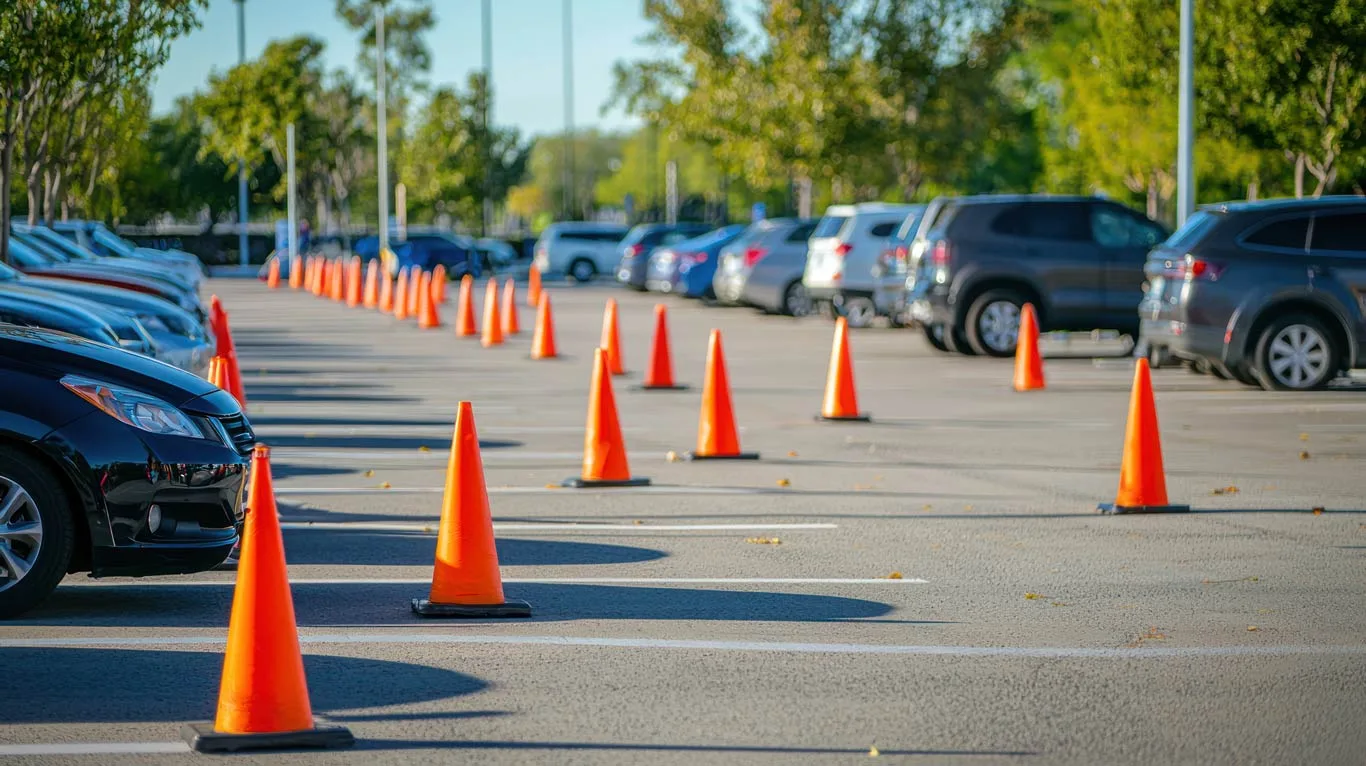
- Organising temporary signs, cones, barriers, and other equipment.
- Supporting traffic control during visitor arrival and departure periods.
Coordinating with event organisers and other relevant stakeholders.
The services required will depend on the event's size, location, and risk profile. Organisers should confirm the provider's responsibilities and any approval requirements before finalising arrangements.
What Should You Look for When Hiring a Provider?
Choosing a traffic management provider should be based on more than availability or cost. The company needs to understand the event environment and provide support that matches the planned activities.
Start by checking relevant experience with similar events. A provider familiar with public gatherings, sporting events, or temporary road restrictions may be better placed to understand the practical challenges involved.
Next, confirm that personnel have the appropriate qualifications and authorisations for their assigned duties. Ask about the equipment available, communication arrangements, and how the team will respond if site conditions change.
It is also worth discussing the event schedule in detail. Arrival times, expected attendance, parking arrangements, delivery access, and departure periods can all influence the traffic control requirements.
Traffic Management for Events Across Perth
Perth hosts many events throughout the year, from local community celebrations to large sporting and entertainment gatherings. Each location brings its own traffic considerations.
An event in a busy city area may require careful coordination around public transport, nearby businesses, and pedestrian activity. A community event in a suburban location may place greater emphasis on residential access, parking, and local road movements.
This is why organisers should avoid relying on a generic approach. Traffic arrangements need to reflect the venue and its surroundings, along with the requirements of the relevant local government or road authority.
CRG Traffic Management provides traffic management services across Perth and regional Western Australia, including support for event-related traffic requirements. Organisers can explore the company's services through the CRG Traffic Management website.
Start Planning Before Event Day
Leaving traffic arrangements until the final stages of event preparation can create unnecessary pressure. Organisers may need time to assess the venue, consult relevant authorities, arrange personnel, source equipment, and confirm any required approvals.
Starting early provides more opportunity to identify problems and make adjustments before visitors arrive. It also gives everyone involved a clearer understanding of their responsibilities.
Remember that traffic planning does not end once the event begins. Conditions should be monitored, communication maintained, and any changes handled in line with the approved arrangements.
Give Your Visitors a Safer and More Organised Experience
People may remember the entertainment, activities, and atmosphere of an event, but their overall experience also depends on how easily they can reach the venue and move around it.
Working with suitable event traffic management companies and preparing a practical event traffic management plan can help organisers manage vehicle access, pedestrian routes, parking, and unexpected traffic challenges.
If you are preparing a festival, sporting event, concert, or community gathering in Perth, make traffic management part of your planning from the beginning. A well-organised approach helps protect visitors, workers, and road users while supporting a smoother event experience.