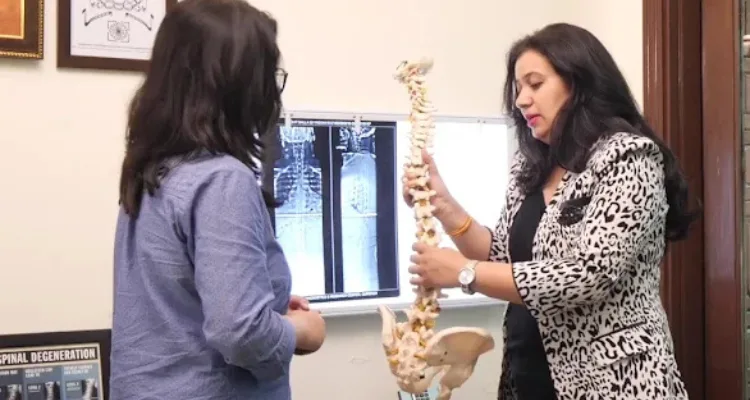
If you've been typing "physiotherapist near me" into Google at 11 PM because your back won't let you sleep, you're not alone. Gurgaon's fast-paced lifestyle — long commutes, desk jobs, gym injuries, and weekend sports — has quietly made pain, stiffness, and old injuries a part of everyday life for a lot of people here. The good news is that physiotherapy in Gurgaon has grown into a genuinely strong, specialized field, and finding the right care doesn't have to be a guessing game.
This guide walks you through what good physiotherapy actually looks like, how to recognize a best physiotherapy clinic near me search result that's worth your time, and what to expect when you finally book that first appointment.
Why Physiotherapy Matters More Than Ever in Gurgaon
Gurgaon is a city built around IT parks, malls, and long drives on the NH-48. That combination — hours of sitting, poor posture at makeshift home-office desks, and weekend warriors hitting the gym or the badminton court without a proper warm-up — creates the perfect storm for musculoskeletal problems.
Common issues we see people search for help with include:
- Lower back pain from prolonged sitting
- Neck and shoulder stiffness ("tech neck")
- Knee pain from running or gym training
- Frozen shoulder and joint stiffness
- Post-surgery recovery (knee replacement, ligament repair, spine surgery)
- Sports injuries — sprains, strains, ligament tears
- Pain after pregnancy or during pregnancy (pelvic and back pain)
A physiotherapy clinic in Gurgaon that understands this urban lifestyle can treat the injury and also help you fix the daily habits causing it in the first place.
What Does the Best Physiotherapist in Gurgaon Actually Do?
A lot of people assume physiotherapy is just "some stretching and a heat pack." In reality, an expert physiotherapist does much more:
- Assessment first — Before any treatment, a good physiotherapist evaluates your posture, movement patterns, muscle strength, and range of motion to understand the root cause, not just the symptom.
- Personalized treatment plans — No two backs (or knees, or shoulders) are the same. Treatment should be built around your body, your lifestyle, and your goals — whether that's climbing stairs pain-free or getting back on the football field.
- Hands-on manual therapy — Techniques like joint mobilization, myofascial release, and soft tissue therapy to reduce pain and restore movement.
- Exercise-based rehabilitation — Targeted strengthening and mobility exercises that you'll often continue at home.
- Education — Teaching you how to move, sit, and lift correctly so the problem doesn't come back.
If a clinic skips straight to treatment without a proper assessment, that's usually a red flag.
Manual Therapy: The Hands-On Approach That Actually Works
Manual therapy is one of the most effective tools in a physiotherapist's kit, especially for stiff joints, muscle knots, and restricted movement. It involves skilled, hands-on techniques such as:
- Joint mobilization and manipulation
- Soft tissue and trigger point release
- Myofascial release
- Stretching techniques specific to the affected muscle or joint
Unlike a generic massage, manual therapy is precise — it targets the exact structure that's limiting your movement or causing pain, and it's usually combined with active exercises for lasting results rather than temporary relief.
Sports Physiotherapy: For Athletes and Weekend Warriors Alike
You don't have to be a professional athlete to benefit from sports physiotherapy. Whether you're training for a marathon, playing weekend cricket, or just started CrossFit, sports physiotherapists specialize in:
- Injury prevention through movement screening
- Rapid, sport-specific recovery after sprains, strains, or ligament injuries
- Strength and conditioning to prevent re-injury
- Return-to-sport programs that rebuild confidence, not just muscle
Gurgaon's growing fitness culture — from Cyber Hub's running groups to the many CrossFit boxes and football turfs around the city — means sports physiotherapy is no longer a niche service. It's become essential for anyone serious about staying active without getting sidelined by injury.
Physical Therapy vs. Physiotherapy: Is There a Difference?
You'll often see "physical therapy" and "physiotherapy" used interchangeably, and in everyday conversation, they mean the same thing. Physical therapy is more commonly used in the US, while physiotherapy is the standard term in India, the UK, and most Commonwealth countries. Whichever term a clinic uses, the core goal is identical: helping you move better and live pain-free through non-surgical, evidence-based treatment.
Pain Relief Physiotherapy: A Real Alternative to Painkillers and Injections
Long-term reliance on painkillers only masks symptoms — it doesn't fix the underlying issue. Pain relief physiotherapy takes a different approach by addressing the actual cause of pain, whether that's muscle imbalance, poor posture, joint restriction, or weak stabilizing muscles.
Techniques commonly used for pain relief include:
- Therapeutic ultrasound and electrotherapy
- Dry needling or trigger point therapy
- Targeted stretching and strengthening
- Postural correction training
- Heat and cold therapy combined with movement-based treatment
Many patients who come in dependent on painkillers for chronic back or knee pain find that a structured physiotherapy program brings relief that actually lasts — because it treats the cause, not just the symptom.
How to Choose the Best Physiotherapy Clinic Near You
With so many options across sectors like DLF Phase 1-5, Sushant Lok, Sector 14, Golf Course Road, and Sohna Road, here's what to actually look for when searching for a physiotherapy clinic in Gurgaon:
1. Qualified and Experienced Therapists Check that the physiotherapists are registered, degree-holding professionals (BPT/MPT) with hands-on clinical experience, ideally with specialization relevant to your condition (sports, orthopedic, neurological, etc.).
2. Proper Assessment Process A trustworthy clinic never jumps straight to treatment. They assess your history, posture, and movement first.
3. Modern Equipment and Techniques Look for clinics offering a mix of manual therapy, exercise therapy, and modern modalities like ultrasound therapy, IFT, or dry needling — not just heat packs.
4. Clear Communication The best physiotherapists explain what's wrong, why it happened, and what the recovery timeline realistically looks like — no vague promises of "instant cures."
5. Genuine Patient Reviews Google reviews, word of mouth, and how long a clinic has been serving the local community are strong trust signals. A clinic with years of consistent patient outcomes in Gurgaon is usually a safer bet than one with flashy marketing alone.
6. Convenient Location and Flexible Hours Since consistency matters in physiotherapy, a clinic that's actually convenient for your commute increases the odds you'll stick with your recovery plan.
What to Expect in Your First Physiotherapy Session
If you're nervous about your first visit, here's a simple breakdown:
- Discussion – The physiotherapist asks about your pain, medical history, and daily routine.
- Physical assessment – Checking posture, movement, strength, and flexibility.
- Diagnosis and explanation – You'll be told what's actually causing the issue in plain language.
- Treatment plan – A mix of hands-on therapy and exercises tailored to you.
- Home program – Simple exercises or posture tips to follow between sessions.
Most people start noticing improvement within a few sessions, though full recovery timelines depend on the condition, its severity, and how consistently the home program is followed.
Frequently Asked Questions
Q: How many physiotherapy sessions will I need? It depends on the condition. Minor muscle strains may resolve in 3–5 sessions, while chronic issues like frozen shoulder or post-surgical rehab can take several weeks to a few months of consistent therapy.
Q: Is physiotherapy painful? Some techniques, like deep tissue release or joint mobilization, can cause mild, temporary discomfort, but physiotherapy should never leave you in significant pain. Always tell your therapist if something feels wrong.
Q: Can physiotherapy help without surgery? Yes — for a large number of musculoskeletal conditions, physiotherapy is used as the first line of treatment and can often help patients avoid or delay surgery altogether. Always follow your doctor's specific recommendation for your case.
Q: Do I need a doctor's referral to see a physiotherapist? Not usually. Most physiotherapy clinics in Gurgaon accept direct walk-ins or bookings, though a referral can help if you're recovering from surgery or a specific diagnosed condition.
Final Thoughts
Pain and stiffness don't have to be something you just "live with." Whether it's chronic back pain from your desk job, a nagging sports injury, or post-surgery recovery, the right physiotherapy clinic can make a real difference in how you move and feel day to day.
When searching for the best physiotherapist in Gurgaon, take a little time to look past ads and check for real qualifications, a proper assessment process, and genuine patient trust. Your body will thank you for the extra five minutes of research.