Introduction
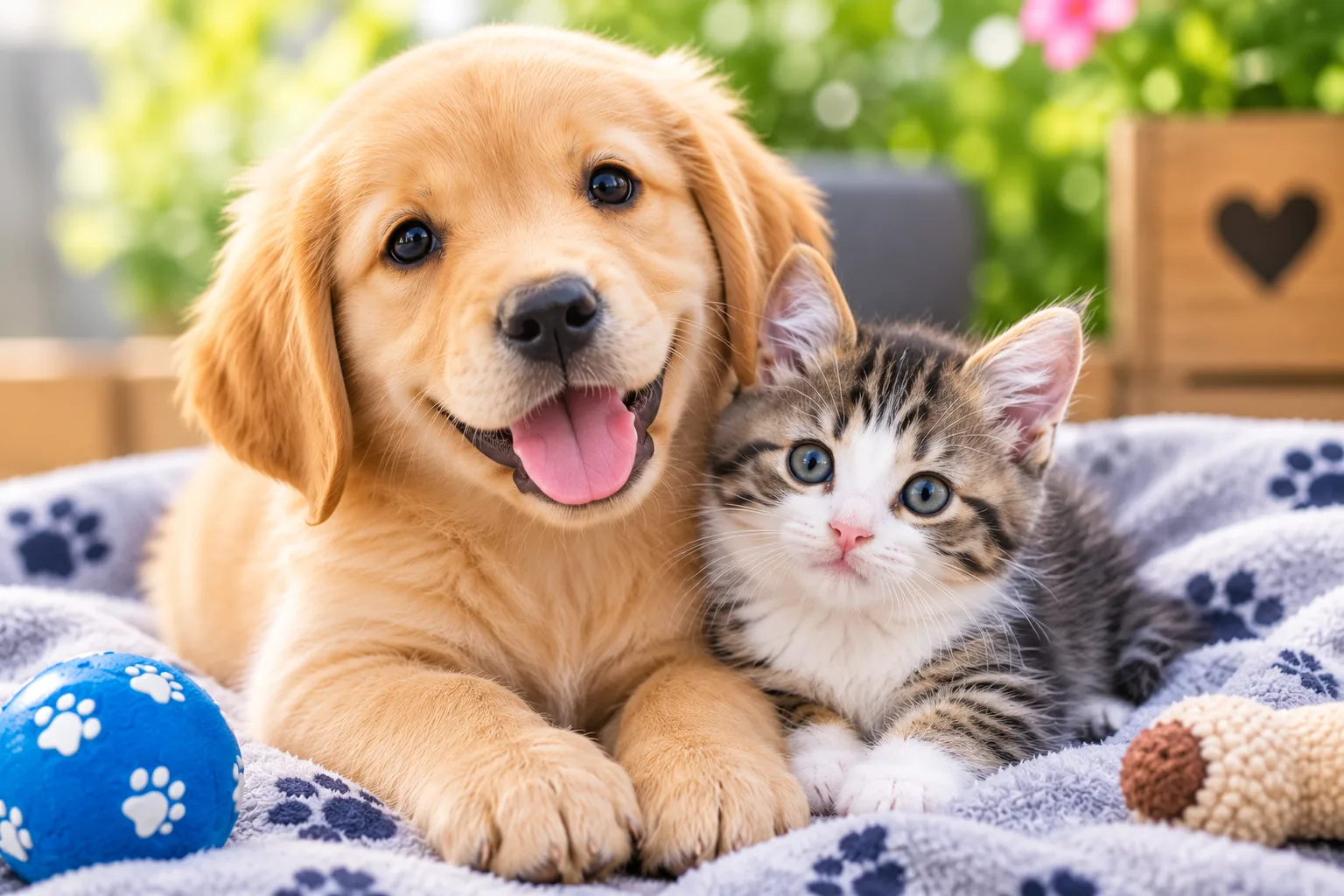
Pets are more than just animals. They become our friends, family members, and a special part of our lives. They give us love, happiness, and companionship. Adopting a pet is a beautiful way to welcome a new friend into your home while giving an animal a chance to live a better life.
However, choosing a pet is an important decision. Every animal has different needs, habits, and personalities. Before adopting a pet, we should understand how to care for it and provide a safe and loving environment.
In this article, let us learn how to adopt a pet and find the perfect companion for your family.
1. Understand Why You Want to Adopt a Pet
Before adopting a pet, think about why you want one. Some people want a friendly dog to play with, while others prefer a calm cat or a beautiful bird. Every pet can bring happiness into your life in its own special way.
Pet adoption is also a wonderful opportunity to help animals that need care and love. Many animals in shelters and rescue centres are waiting for a family to welcome them home.
Remember that adopting a pet is a long-term responsibility. You should be ready to provide food, shelter, attention, and proper healthcare throughout the animal's life.
2. Choose the Right Pet for Your Lifestyle
Choosing the right pet is one of the most important steps in the adoption process. You should consider your home, daily routine, available space, and budget before making a decision.
Dogs: Dogs are loving and loyal companions. They need regular exercise, training, attention, and social interaction. They may be a good choice for people who have enough time to care for them.
Cats: Cats are often independent and enjoy a comfortable, safe environment. They need nutritious food, clean litter boxes, veterinary care, and daily attention.
Birds: Birds can be intelligent, social, and beautiful companions. They need an appropriate enclosure, a suitable diet, mental stimulation, and enough space to move safely.
Rabbits and other small animals: These pets can make wonderful companions, but they also need proper housing, suitable food, gentle handling, and regular healthcare.
Before choosing any animal, learn about its needs and expected lifespan. Select a pet that matches your lifestyle rather than choosing one based only on its appearance.
3. Find a Trusted Adoption Centre
Once you decide which type of pet you want, look for a reliable animal shelter, rescue organisation, or responsible adoption group.
A trustworthy adoption centre should care about the health and safety of its animals. It should provide information about the animal's background, behaviour, medical history, and special needs whenever that information is available.
You can also ask local animal welfare organisations or veterinarians for recommendations. If you find a pet through an online adoption advertisement, verify the person or organisation before making any decisions.
Never rush into adopting an animal without understanding its needs and checking whether the adoption arrangement is safe and genuine.
4. Spend Time with the Pet Before Adopting
Meeting a pet before adoption helps you understand its personality and behaviour. Spend some time with the animal in a calm environment and observe how it responds to people.
Some pets are playful and energetic, while others may be shy or quiet. Rescue animals may need extra time to feel comfortable around new people, especially if they have experienced difficult situations in the past.
Ask the shelter staff about the pet's habits, likes, dislikes, and behaviour around children or other animals. If you already have pets at home, ask how to introduce them safely.
Remember that an animal may need time to adjust to a new home. Patience, kindness, and gentle care can help build trust.
5. Check the Pet's Health
A pet's health is an important consideration before adoption. Ask about its vaccination history, deworming, previous illnesses, and any ongoing medical needs.
If possible, review the available veterinary records and arrange a health check with a qualified veterinarian. The veterinarian can help identify health concerns and explain the care the animal may need.
Do not assume that every animal in a shelter is unhealthy. Many shelter pets are healthy and ready for adoption, while others may need treatment or additional support.
Understanding the pet's health needs before bringing it home helps you prepare for its care and avoid unexpected difficulties.
6. Prepare Your Home Before Bringing the Pet Home
Before welcoming your new companion, make sure your home is safe and comfortable. Preparing in advance helps your pet settle in more easily.
Here are some important things to arrange:
- Food and water: Keep fresh water and suitable pet food ready.
- Comfortable sleeping area: Provide a clean, quiet place where your pet can rest.
- Safety measures: Remove harmful substances, secure electrical wires, and keep dangerous objects out of reach.
- Essential supplies: Prepare a food bowl, suitable bedding, a carrier, toys, or other items needed for your pet.
- Safe surroundings: Secure doors, windows, balconies, and outdoor areas where necessary.
Every animal has different needs, so make sure your home is prepared for the particular pet you plan to adopt.
7. Understand the Cost of Pet Adoption
Adopting a pet can be rewarding, but it also involves financial responsibility. Some adoption centres charge a fee that may cover certain services, such as vaccinations or sterilisation. The amount and included services vary by organisation.
You should also plan for regular expenses, including food, grooming, veterinary visits, preventive healthcare, toys, and other supplies.
Unexpected medical expenses may arise, so keeping some money aside for emergencies is helpful.
Before adopting a pet, make sure you can provide proper care without putting yourself under financial pressure. A pet deserves a safe home, nutritious food, and the healthcare it needs.
8. Give Your New Pet Time to Adjust
Bringing a pet home is an exciting experience, but your new companion may feel nervous in unfamiliar surroundings.
Allow your pet to explore its new environment at its own pace. Provide a quiet resting area and avoid forcing it to interact with everyone immediately.
Maintain a regular routine for feeding, sleeping, exercise, and playtime. Use gentle handling and positive reinforcement to encourage good behaviour.
Some animals become comfortable within a few days, while others may need several weeks or longer. Be patient and avoid punishing your pet for being afraid or making mistakes during the adjustment period.
With time, consistency, and love, your new companion can begin to feel safe and secure.
9. Teach Children to Treat Pets Kindly
If you have children at home, teach them how to interact with animals safely and respectfully.
Children should learn not to pull an animal's tail, disturb it while sleeping, or take away its food. They should also understand that pets need rest and personal space.
Always supervise interactions between young children and pets. Even a friendly animal may react if it feels frightened, uncomfortable, or threatened.
Teaching children to treat animals gently helps create a safer environment and encourages kindness, empathy, and responsibility.
10. Build a Strong Bond with Your Pet
A strong relationship with your pet develops through everyday care and attention. Spend time playing, walking, training, or simply sitting quietly with your companion.
Learn to understand your pet's body language and behaviour. This can help you recognise when it feels happy, stressed, frightened, or unwell.
Provide regular veterinary care, a suitable diet, exercise, and mental stimulation. Most importantly, treat your pet with patience and respect.
Remember that every animal has its own personality. Some pets enjoy lots of attention, while others prefer a little more space. Understanding and respecting these differences can help create a lasting bond.
Benefits of Pet Adoption
Pet adoption offers many benefits for both animals and people.
- You give an animal a second chance: Your decision can provide a homeless pet with safety, comfort, and care.
- You gain a loyal companion: A pet can bring joy, affection, and friendship into your daily life.
- You support animal welfare: Adoption can help shelters make space and resources available for other animals in need.
- You encourage kindness: Caring for an animal can teach children and adults compassion and responsibility.
- You create meaningful memories: Everyday moments with your pet can become some of the happiest parts of family life.
Although adoption can be deeply rewarding, it is important to remember that pets need consistent care, attention, and commitment.
Common Mistakes to Avoid When Adopting a Pet
Before adopting an animal, try to avoid these common mistakes:
- Choosing a pet only because it looks cute.
- Ignoring the animal's exercise, grooming, or healthcare needs.
- Adopting a pet without considering the long-term cost.
- Expecting the animal to adjust to its new home immediately.
- Failing to check the adoption centre or the pet's available records.
- Bringing a pet home without preparing a safe environment.
- Treating adoption as a temporary decision rather than a long-term commitment.
Taking time to make the right decision can help you and your pet enjoy a happier life together.
Conclusion
Pet adoption is a beautiful way to welcome love, friendship, and happiness into your home. By choosing the right animal, finding a trustworthy adoption centre, preparing your home, and understanding your responsibilities, you can give a deserving pet a fresh start.
Every pet deserves kindness, safety, and a loving family. Whether you choose a dog, cat, bird, rabbit, or another suitable companion, remember that adoption is not just about bringing an animal home. It is about making a promise to care for another life.
Adopt a pet, open your heart, and give a loving companion the happy home it deserves. Your small decision can make a big difference in an animal's life.