I think most athletes, whether you're training for a marathon or just trying to keep up with a demanding gym schedule, hit the same wall eventually. You can only ice, stretch, and foam roll so much before you start looking for something that actually addresses recovery at a deeper level instead of just managing the surface-level discomfort. That's usually the point where PEMF therapy comes up in conversation, and I want to walk you through what it actually does for recovery, what the research says, and where I think it genuinely earns a place in a training routine.
What Happens to Muscle After Hard Training
Intense exercise causes microscopic damage to muscle fibers, which is a completely normal and necessary part of getting stronger. The problem is what happens in the hours and days after, delayed-onset muscle soreness, inflammation, and a buildup of metabolic byproducts like lactate that your body needs to clear before you're back to full capacity. Recovery isn't really about avoiding that damage, it's about how efficiently your body clears it and rebuilds afterward, and that's exactly the window where PEMF appears to make a measurable difference.
What the Research Actually Says
I want to stick to what's actually been studied here rather than repeating vague claims. A study specifically looking at PEMF and delayed-onset muscle soreness found that participants using PEMF after exercise experienced significantly less soreness and better muscle performance during the recovery window compared to those who didn't. Separate research applying PEMF directly to the biceps brachii after training found reduced perceived DOMS symptoms in the days following exercise, along with improved muscle activation patterns during recovery.
There's also research on how PEMF affects lactate metabolism specifically, with findings suggesting it helps the body process and clear lactate more efficiently, which lines up with why so many athletes report feeling less "heavy" in their muscles after using it post-workout. Separate studies have looked at PEMF's effect on heart rate variability during the recovery phase and found that short exposure sessions accelerated the return to normal autonomic balance, essentially helping the nervous system recover alongside the muscles rather than just treating soreness as an isolated symptom.
I do want to be honest that the research isn't universally one-sided. At least one study on recreationally active individuals didn't find statistically significant differences in peak strength or power output between PEMF and placebo groups, even though soreness reduction has been more consistently supported across the literature. That's worth knowing, because it suggests PEMF is more reliably useful for reducing discomfort and supporting subjective recovery than it is for dramatically boosting raw performance numbers. Both are useful, but it's worth knowing which one you're actually likely to get.
Why Depth Matters for Athletes Specifically
This is where PEMF has a real advantage over some of the other recovery tools athletes typically reach for. Electromagnetic fields aren't blocked by tissue the way light or heat is, and research indicates PEMF can effectively reach several centimeters into tissue, deep enough to influence muscle structures that surface-level treatments like foam rolling or topical treatments simply can't touch. For anyone dealing with deep muscle fatigue rather than just surface tightness, that reach is the whole point.
Building It Into an Actual Training Routine
Timing seems to matter based on what the research shows. Using PEMF immediately after strenuous activity, rather than waiting until soreness has already fully set in, appears to produce better results, and daily short sessions in the fifteen to thirty minute range are generally considered both safe and effective for ongoing training use.
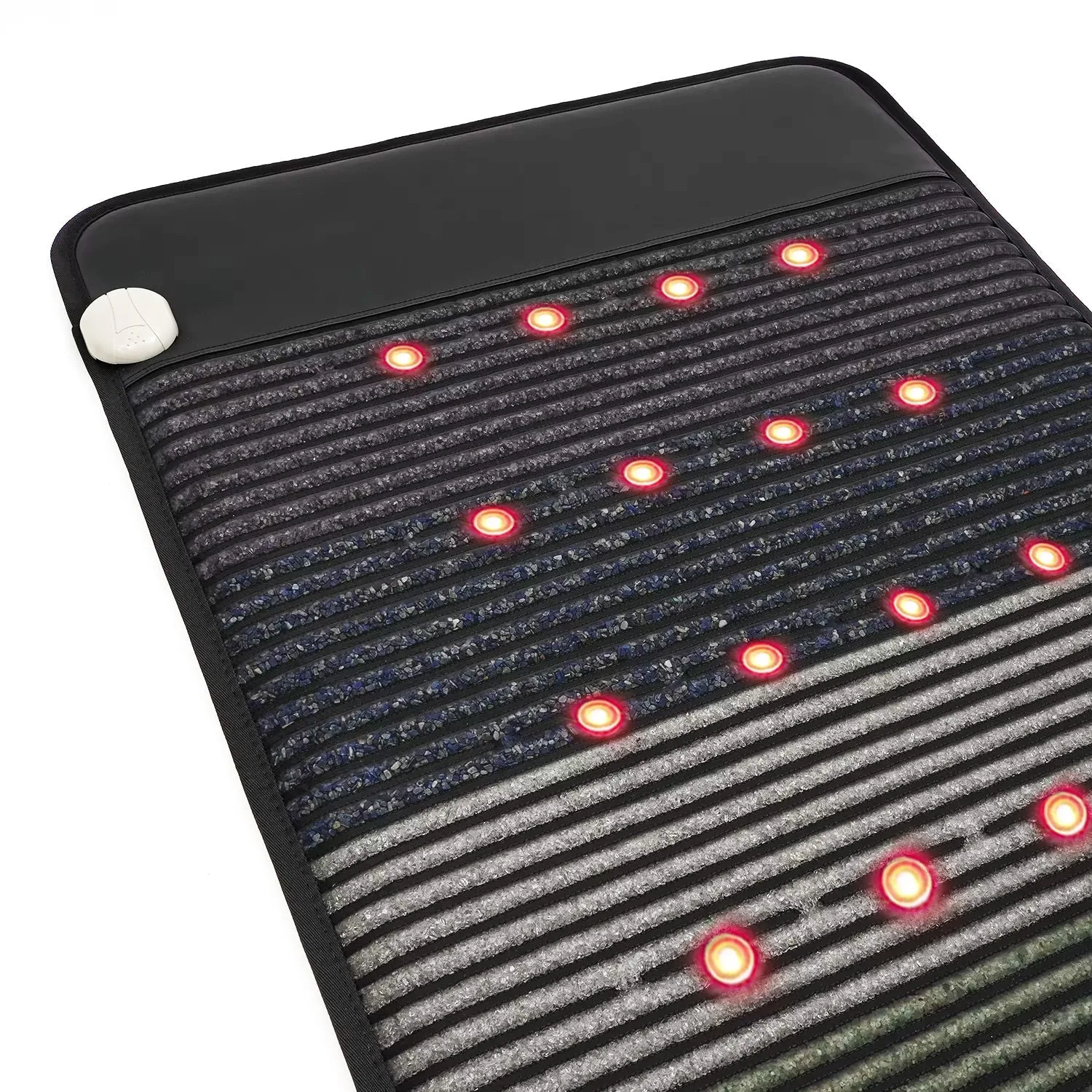
For athletes training regularly, a full-length PEMF therapy for athletes setup like the PEMF Mat makes the most sense for a proper post-workout session, since it covers major muscle groups at once instead of requiring you to treat one area at a time after a full-body training day.
If you're someone who trains most days and wants recovery to become a genuine habit rather than an occasional afterthought, a dedicated PEMF Therapy Mat built for consistent daily use keeps that habit simple to maintain, since you can fold it straight into your evening routine after training without extra setup.
And for athletes who also want the surface-level benefits of red light, faster skin recovery, reduced surface inflammation, alongside the deeper PEMF effects, a combined PEMF & Red Light Therapy Mat covers both without needing two separate devices or two separate sessions.
A Few Things to Keep in Mind
PEMF is generally considered safe for daily use, but it's not recommended for anyone with a pacemaker or other implanted electronic device, anyone pregnant, or anyone with epilepsy or a seizure disorder. If you're recovering from a specific injury rather than general training soreness, it's worth checking with a sports medicine professional or physical therapist about how PEMF fits alongside whatever rehab protocol you're already following, rather than assuming it replaces it.
Where This Leaves You
Based on what the research actually shows, I think PEMF earns a legitimate place in an athlete's recovery routine, particularly for reducing soreness and supporting how your muscles and nervous system bounce back after hard training. It's not a shortcut around good training or adequate rest, and the evidence for dramatic performance gains is thinner than the evidence for soreness reduction. But as a tool that works while you're already lying there recovering anyway, it's a reasonable, low-effort addition to whatever routine is already getting you back on the field, the track, or the gym floor the next day.