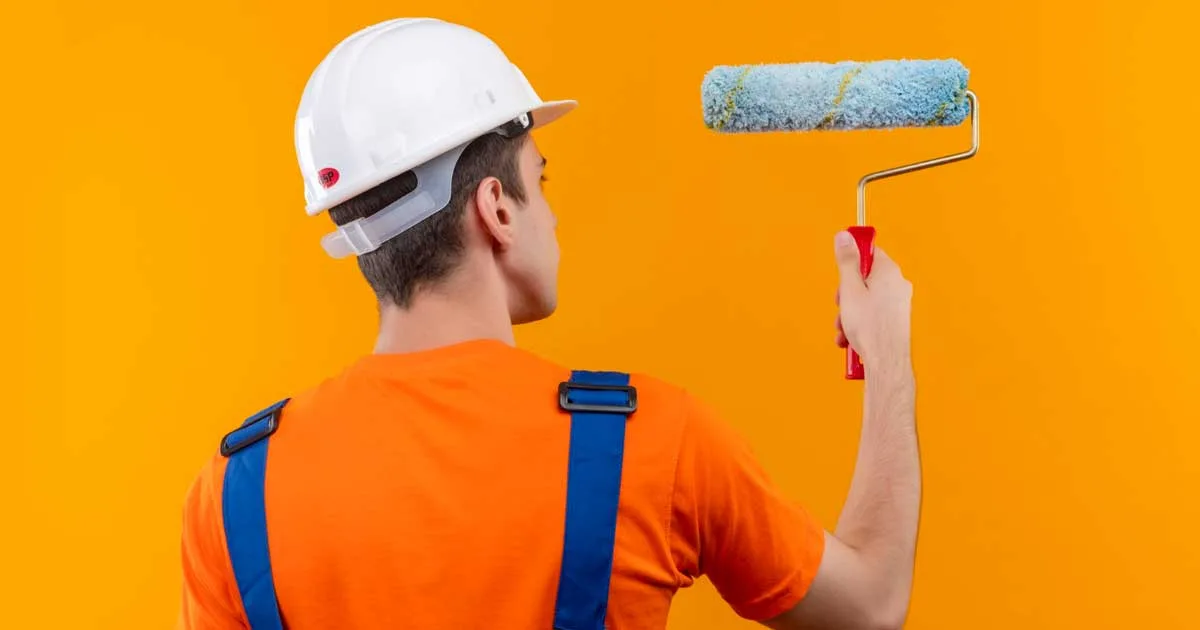
Painting is one of the simplest and most effective ways to improve the appearance, protection, and value of any property. Whether you are renovating your home, refreshing an office, or maintaining a commercial building, professional painting services deliver long-lasting results that enhance both aesthetics and durability.
This guide explains everything you need to know about painting services, including their benefits, different types of painting, the painting process, and how to choose the right painting contractor.
What Are Painting Services?
Painting services include the complete process of improving and protecting interior and exterior surfaces through professional surface preparation, repairs, priming, and paint application. Whether for residential, commercial, or industrial properties, skilled painters use quality products, modern tools, and industry-approved techniques to deliver an attractive finish that is durable, even, and built to withstand everyday wear.
Painting services can include:
Interior wall painting
Exterior building painting
Ceiling painting
Villa painting
Apartment painting
Office painting
Commercial painting
Industrial coating
Waterproof protective coatings
Decorative painting
Texture painting
Professional painting not only improves appearance but also helps protect surfaces from moisture, sunlight, dust, corrosion, and everyday wear.
Why Professional Painting Services Matter
Many people assume painting is a simple DIY project. However, professional painting involves much more than applying a coat of paint.
Benefits include:
Smooth and even finish
Better surface preparation
Long-lasting paint performance
Faster project completion
Reduced material waste
Professional color consultation
Proper safety procedures
High-quality workmanship
A professionally painted property typically requires fewer touch-ups and maintains its appearance for years.
Types of Painting Services
Interior Painting ServicesInterior painting transforms living and working spaces while improving cleanliness and comfort.
Common interior areas include:
- Living rooms
- Bedrooms
- Kitchens
- Hallways
- Bathrooms
- Offices
- Meeting rooms
Retail stores
Interior painting often includes wall repairs, crack filling, sanding, primer application, and multiple coats of premium paint.
Popular Interior Finishes
Matte FinishProvides a soft, elegant appearance and hides minor wall imperfections.
Satin FinishOffers a smooth finish with better stain resistance, making it suitable for family areas.
Gloss FinishIdeal for doors, trims, cabinets, and furniture because it is durable and easy to clean.
Exterior Painting Services
Exterior painting protects buildings from harsh environmental conditions such as:
UV rays
Rain
Humidity
Dust
Wind
Temperature changes
Exterior painting commonly covers:
Building walls
Villas
Boundary walls
Balconies
Gates
Fences
Concrete structures
Professional exterior coatings help prevent fading, peeling, and moisture damage.
Exterior Surface Preparation
Pressure CleaningRemoves dust, dirt, algae, and loose paint before painting begins.
Crack Repairs
Small cracks and damaged plaster are repaired to create a smooth surface.
Primer Application
Primer improves paint adhesion and extends the life of the finish.
Residential Painting Services
Homeowners often repaint their properties to refresh interiors or increase property value.
Residential painting may include:
Villas
Apartments
Independent houses
New homes
Renovation projects
Professional painters help homeowners select colors that match lighting, furniture, and décor.
Commercial Painting Services
Commercial buildings require durable finishes that maintain a professional appearance.
Commercial painting is commonly used for:
Offices
Shopping malls
Restaurants
Hotels
Schools
Hospitals
Retail outlets
Warehouses
Carefully planned painting schedules help businesses continue their day-to-day operations with minimal inconvenience.
Industrial Painting Services
Industrial facilities often require specialized coatings that protect equipment and structures from corrosion, chemicals, and heavy wear.
These services may include:
- Factory painting
- Structural steel painting
- Protective coatings
- Anti-corrosion coatings
- High-performance industrial finishes
Industrial painting follows strict safety and quality standards.
The Professional Painting Process
Step 1: Property Inspection
Professionals inspect the condition of walls, ceilings, and other surfaces before recommending the appropriate painting solution.
Step 2: Surface Preparation
Preparation typically includes:
Cleaning
Sanding
Crack filling
Putty work
Primer application
Proper preparation is one of the most important factors in achieving a durable finish.
Step 3: Paint Selection
Experts recommend paint based on:
Surface type
Indoor or outdoor use
Moisture exposure
Traffic levels
Desired finish
Step 4: Professional Painting
Experienced painters apply multiple coats using brushes, rollers, or spray equipment depending on the project.
Step 5: Final Inspection
Once the painting work is complete, a detailed quality check is carried out to ensure every surface meets professional standards. The inspection includes reviewing paint coverage, finish consistency, edge detailing, and overall workmanship. Any necessary touch-ups are completed before the project is finalized and presented to the client.
How to Choose the Right Paint
Selecting the right paint depends on several factors.
Consider the Room
Bedrooms may benefit from calming colors, while offices often use neutral shades that create a professional environment.
Consider Durability
High-traffic areas require washable and stain-resistant paints.
Consider Lighting
Natural and artificial lighting can significantly affect how paint colors appear after application.
Consider Moisture
Bathrooms, kitchens, and exterior walls require moisture-resistant coatings for long-term performance.
Signs Your Property Needs Repainting
Your property may require professional painting if you notice:
- Peeling paint
- Fading colors
- Cracks
- Water stains
- Mold growth
- Chalking surfaces
- Bubbling paint
Surface damage
Early repainting prevents more extensive repairs in the future.
Tips for Maintaining Painted Surfaces
Proper maintenance helps preserve the appearance and durability of painted walls.
Maintenance tips include:
- Clean surfaces gently using a soft cloth.
- Remove stains promptly.
- Repair small cracks before they spread.
- Avoid harsh cleaning chemicals.
- Inspect exterior walls annually.
- Address water leaks quickly.
Regular maintenance extends the lifespan of painted surfaces and keeps your property looking fresh.
Common Mistakes to Avoid
Avoid these common painting mistakes:
Skipping primer
Painting over dirty walls
Choosing low-quality paint
Ignoring moisture issues
Applying thick coats
Rushing drying times
Poor surface preparation
Professional painters follow proven methods that reduce these risks and deliver better results.
Conclusion
Professional painting services are an investment in the beauty, protection, and longevity of your property. Whether you need interior painting, exterior painting, residential painting, or commercial painting, proper surface preparation, quality materials, and skilled workmanship are essential for achieving lasting results.
By understanding the painting process, selecting the right materials, and working with experienced professionals, you can enjoy attractive, durable finishes that enhance the value and appearance of your home or business for years to come.
Frequently Asked Questions (FAQs)
1. How often should a property be repainted?
Interior walls typically need repainting every 5–7 years, while exterior surfaces may require repainting every 5–10 years depending on climate, paint quality, and maintenance.
2. How long does a painting project take?
The duration depends on the size of the property, the condition of the surfaces, preparation work required, and weather conditions for exterior painting.
3. Is surface preparation important before painting?
Yes. Cleaning, repairing cracks, sanding, and applying primer improve paint adhesion and help create a smoother, longer-lasting finish.
4. What is the difference between interior and exterior paint?
Interior paint is designed for indoor environments, while exterior paint contains additives that provide better resistance to sunlight, moisture, temperature changes, and weather exposure.
5. Can painting increase property value?
Yes. A well-maintained, professionally painted property creates a positive first impression, improves curb appeal, and can increase the overall value of residential and commercial properties.