
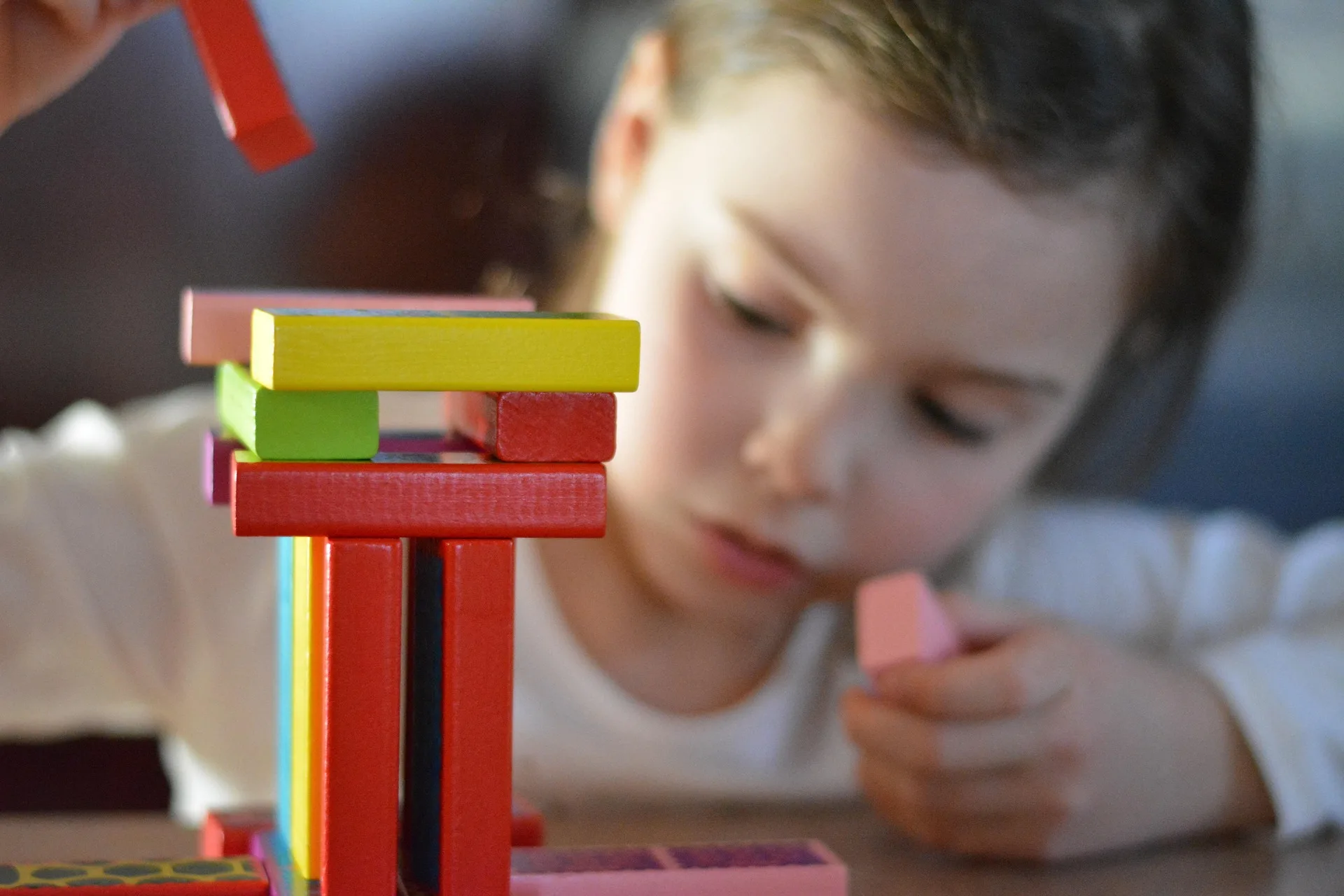
Early childhood is an important stage in a child's life because it lays the foundation for future learning, behaviour, communication, and social development. During these early years, children begin understanding the world around them through observation, movement, interaction, and everyday experiences. Montessori early childhood education provides a child-centred learning approach that encourages independence, creativity, curiosity, and practical skills from an early age.
Unlike traditional learning methods that often focus on structured instructions, Montessori education gives children opportunities to learn through hands-on activities and exploration. It allows each child to develop at their own pace while receiving guidance from educators in a prepared and supportive environment.
What Is Montessori Early Childhood Education?
Montessori early childhood education is an educational approach based on the philosophy of Dr. Maria Montessori. It focuses on respecting each child's individual development and encouraging learning through practical experiences.
Children are introduced to carefully selected learning materials and activities that support different areas of development. Instead of expecting every child to complete the same activity at the same time, Montessori classrooms encourage individual progress and active participation.
Some important principles of Montessori education include:
- Independence: Children are encouraged to complete simple tasks and make age-appropriate decisions.
- Hands-on learning: Practical activities help children understand concepts through direct experiences.
- Individual development: Learning activities can be adapted to children's developmental stages and abilities.
- Prepared environment: Classrooms are arranged to make learning materials accessible and organised.
- Respect and cooperation: Children learn to communicate, share responsibilities, and respect others.
These principles help create a positive learning experience during the early years.
Why Is Early Childhood Education Important?
The first few years of childhood involve significant physical, emotional, social, and cognitive development. Children gradually learn how to communicate, express feelings, solve simple problems, and interact with people around them.
Quality early childhood education provides opportunities to practise these skills in a safe and supportive environment.
A suitable early learning programme can help children:
- Develop communication and listening skills.
- Improve hand-eye coordination and motor skills.
- Build confidence through everyday activities.
- Understand basic routines and responsibilities.
- Develop curiosity and problem-solving abilities.
- Build positive relationships with other children.
- Prepare for future preschool and kindergarten experiences.
The aim is not simply to introduce academic concepts but also to support the development of the whole child.
How Does Montessori Education Support Different Age Groups?
Children have different developmental needs depending on their age. Montessori learning activities are therefore designed to support different stages of early childhood.
1. Montessori Education for Infants
During infancy, babies learn primarily through their senses, movement, observation, and interaction with caregivers. A Montessori-inspired infant environment provides opportunities for safe exploration and age-appropriate experiences.
Activities may include:
- Exploring different textures and materials.
- Listening to familiar sounds and gentle conversations.
- Observing colours, shapes, and objects.
- Practising age-appropriate movement.
- Developing early communication through interaction.
Infant care focuses on responsive attention, consistent routines, and a calm environment. These experiences can support early sensory development, movement, and emotional security.
2. Montessori Education for Toddlers
Toddlers naturally become more curious and interested in completing tasks independently. They enjoy touching objects, moving around, asking questions, and copying everyday activities.
Montessori for toddlers encourages this curiosity through practical and sensory learning experiences.
Common activities include:
- Sorting objects by colour, shape, or size.
- Putting toys and materials away after activities.
- Practising simple dressing skills.
- Identifying familiar objects and pictures.
- Participating in basic cleaning and organising activities.
- Exploring puzzles and age-appropriate learning materials.
These activities help toddlers practise coordination, language, concentration, and independence while developing confidence in their abilities.
3. Montessori Education for Preschoolers
Preschool children are ready to participate in more structured learning experiences while continuing to learn through exploration and practical activities.
Montessori preschool programmes may introduce:
- Early language and literacy activities.
- Basic mathematical concepts.
- Shape, colour, and pattern recognition.
- Creative art and sensory experiences.
- Practical life activities.
- Group interaction and cooperative play.
These experiences help children develop foundational skills before entering kindergarten.
What Are the Main Benefits of Montessori Early Childhood Education?
Montessori education supports several important areas of early childhood development. Its benefits come from providing children with meaningful opportunities to participate, practise, and learn.
Encourages Independence
Children gradually learn to complete simple activities without depending on adults for every step. Tasks such as arranging materials, washing hands, putting toys away, and making simple choices help build independence.
Supports Cognitive Development
Hands-on activities encourage children to observe, compare, identify patterns, and solve simple problems. These experiences support early thinking and reasoning skills.
Develops Social Skills
Children learn how to interact with classmates, share learning materials, wait for their turn, and respect different needs. These everyday experiences help develop cooperation and communication.
Builds Confidence
Completing small tasks gives children opportunities to recognise their own progress. Positive encouragement and age-appropriate responsibilities can help them become more confident in trying new activities.
Improves Concentration
Montessori activities allow children to spend time working with materials that interest them. Repeating an activity can help develop attention, patience, and concentration.
Encourages Creativity and Curiosity
Children are given opportunities to experiment, ask questions, and explore different materials. This encourages curiosity and helps them develop an interest in learning.
What Makes a Montessori Classroom Different?
A Montessori classroom is generally organised around children's developmental needs. Learning materials are arranged carefully so children can access and use them with increasing independence.
Some common features include:
1. Organised Learning Materials
Materials are arranged in accessible spaces, allowing children to select appropriate activities with guidance from educators.
2. Practical Life Activities
Everyday tasks such as pouring, sorting, cleaning, and organising help children practise coordination and independence.
3. Sensory Learning Experiences
Children explore different textures, sounds, shapes, sizes, and colours through age-appropriate activities.
4. Supportive Educators
Teachers observe children's interests and progress, provide guidance, and introduce activities according to their developmental needs.
5. Opportunities for Individual Learning
Children receive opportunities to work independently and participate in group activities, depending on the learning experience.
How Can Parents Support Montessori Learning at Home?
Parents play an important role in supporting children's development outside the classroom. Simple everyday activities can reinforce the independence and practical skills introduced through Montessori education.
Here are some useful ways to encourage learning at home:
- Create a safe and organised space where children can access suitable toys and books.
- Encourage children to put away their toys after playing.
- Allow toddlers to participate in simple household activities with supervision.
- Read picture books together to support language development.
- Introduce age-appropriate puzzles and sorting activities.
- Give children opportunities to make simple decisions.
- Encourage independent attempts while offering help when needed.
Parents should remember that children develop at different rates. Providing patience, encouragement, and consistent support is more important than expecting immediate results.
How to Find the Right Montessori School for Early Childhood Education?
Choosing an early learning centre is an important decision for parents. A suitable environment should support children's developmental needs while providing appropriate supervision, care, and learning opportunities.
Before selecting a Montessori school, parents can consider the following factors:
- Classroom environment: Are learning spaces clean, organised, safe, and suitable for different age groups?
- Educator experience: Do teachers understand early childhood development and Montessori principles?
- Learning activities: Are activities age-appropriate and designed to encourage exploration?
- Individual attention: Does the programme recognise children's different interests and developmental needs?
- Parent communication: Does the school maintain regular communication with families?
- Daily routines: Are children's routines, care requirements, and learning experiences appropriately managed?
Visiting a school and speaking with educators can help parents understand its teaching approach and daily environment.
Montessori Early Childhood Education at Village Park Montessori
For families interested in Montessori early childhood education in Torrance, California, Village Park Montessori provides a learning environment focused on children's early development and individual learning experiences.
Its programmes support different stages of childhood, including infant care, toddler learning, preschool, and junior kindergarten. The Montessori approach encourages children to develop practical skills, communication, independence, and confidence through age-appropriate activities.
Parents can consider the school's learning environment and programmes when evaluating early education options for their children.
Conclusion
Montessori early childhood education offers a child-centred approach that supports independence, curiosity, communication, and practical learning. Through hands-on activities, supportive educators, and an organised learning environment, children receive opportunities to develop essential skills during their early years.
For parents, understanding the Montessori approach can make it easier to identify an early learning environment that supports their child's individual needs and prepares them for future educational experiences.