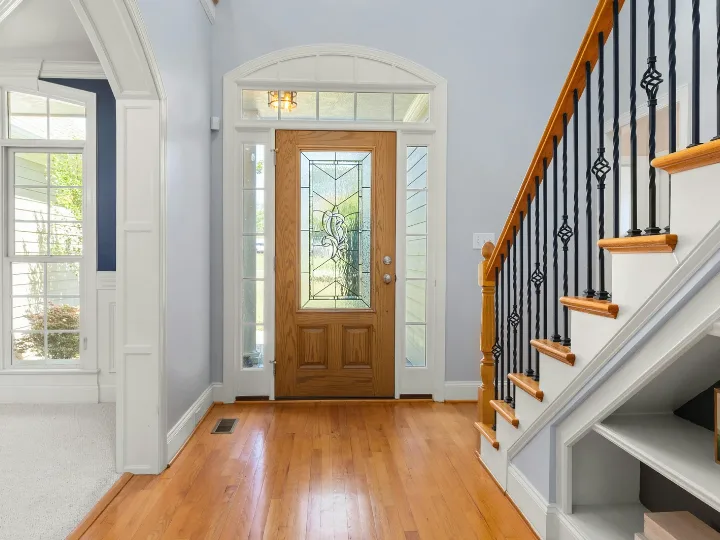
The entrance is an important part of a home's architectural identity. Its design influences the first impression of the property and helps connect the exterior with the style of the interior. modern timber front doors offer an opportunity to combine the natural character of timber with clean lines, considered proportions and contemporary detailing. Choosing a suitable design involves balancing appearance, functionality and the architectural features surrounding the entrance.
How Does Timber Complement Contemporary Architecture?
Contemporary architecture often emphasises simplicity, practical layouts and a thoughtful combination of materials. Timber introduces natural warmth into these spaces, helping balance materials such as glass, metal, concrete and painted surfaces.
The grain and texture of timber provide visual interest without requiring elaborate decoration. Depending on the finish and surrounding materials, a timber entrance can create a subtle, understated appearance or become a defining feature of the building's exterior.
Proportion is equally important. A door should relate to the dimensions of the entrance, the surrounding walls and nearby windows. A balanced design helps the doorway feel integrated into the overall structure rather than appearing as a separate element.
Why Are Clean Lines Important in Front Door Design?
Clean lines help establish a structured and uncluttered appearance. Simple shapes and carefully arranged details can complement contemporary buildings, where unnecessary decoration may distract from the architecture.
The door's surface, edges and hardware all contribute to this effect. Streamlined handles and coordinated finishes can reinforce a modern aesthetic, while a distinctive timber grain adds natural character.
However, simplicity does not mean that every entrance should look identical. The choice of finish, proportions and hardware can introduce individuality while maintaining a consistent architectural style.
Choosing a Timber Finish for Your Entrance
The finish influences how the door interacts with its surroundings. Natural-looking timber finishes can highlight grain patterns and introduce warmth, while darker tones can create contrast against lighter exterior walls. Lighter finishes may produce a softer appearance when paired with neutral colours and natural materials.
Consider the existing exterior palette before choosing a finish. Window frames, wall cladding, flooring visible through glazed openings and other entrance details can help guide the decision.
Maintenance should also be considered. Timber doors exposed to outdoor conditions may require suitable protective finishes and regular care. Follow the manufacturer's recommendations to help maintain the surface and address the effects of moisture and sunlight.
How Should You Balance Appearance and Functionality?
A front door must perform well as well as look appropriate. Its dimensions, construction, hinges, locking system and handle should suit the entrance and its intended use.
Accurate measurements are essential before ordering. Confirm the required height, width and thickness, along with the frame dimensions and installation requirements. The door should fit correctly and operate smoothly without unnecessary friction.
Security is another consideration. Check that the door construction, frame, hinges and locking hardware are compatible and suitable for the property's requirements. Weather exposure should also be assessed, as an entrance door may need appropriate protection against changing outdoor conditions.
When comparing designs, consider how the door will look from both outside and inside. A well-coordinated entrance should complement the exterior architecture while fitting naturally into the home's interior design.
Creating a Cohesive Architectural Entrance
A consistent entrance design brings together the door, surrounding frame, hardware and exterior finishes. Matching every element is not essential, but the materials and colours should work together.
For example, a timber door can be paired with restrained metal hardware to create contrast, or with complementary finishes for a more subtle effect. The surrounding wall treatment and lighting can further define the entrance without overwhelming the door itself.
Nanak Doors lists the FS-HG model within its entrance door range. Before selecting this design, review the available product information and confirm its construction, finish, dimensions and installation requirements with the supplier.
FAQs
1. Why Is Timber Suitable for Contemporary Front Doors?
Timber introduces natural texture and warmth that can complement clean lines, neutral colours and modern architectural materials.
2. Which Finish Works Well with Contemporary Architecture?
Natural timber tones, darker finishes and lighter shades can all work well, depending on the exterior colour palette and surrounding materials.
3. What Should Be Checked Before Ordering a Front Door?
Confirm the dimensions, construction, frame compatibility, hardware requirements and suitability for outdoor exposure.
4. How Can a Timber Front Door Maintain Its Appearance?
Follow the manufacturer's care instructions, clean the surface appropriately and maintain protective finishes according to the door's exposure and material requirements.