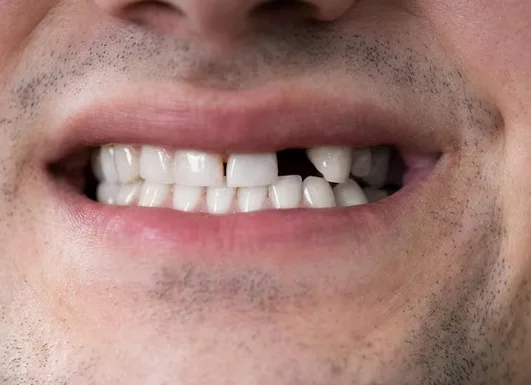
Most people who lose a tooth think about the gap in their smile first — and understandably so. The cosmetic change is immediate and hard to ignore. But what happens beneath the surface in the months and years that follow is where the real damage tends to accumulate, quietly and without pain, until it starts showing up in ways that are increasingly difficult and expensive to address. If you are living with one or more gaps in your mouth right now, the information ahead is worth reading carefully. Understanding what missing teeth North Royalton OH residents deal with — and what modern dentistry can do about it — gives you the context you need to make a genuinely informed decision about your oral health.
The Hidden Consequences of Leaving Gaps Unfilled
The visible gap left by a missing tooth is only the beginning of the problem. Within weeks of a tooth being lost or extracted, the surrounding teeth begin to respond to the newly available space. Neighboring teeth drift gradually toward the opening, tilting out of their natural vertical alignment. The tooth in the opposing jaw — the one that used to contact the missing tooth — starts to over-erupt, slowly growing further out of the gumline because there is nothing pushing back against it during biting. These shifts affect your bite, which in turn places uneven pressure on the teeth that remain, increasing their risk of wear, cracking, and sensitivity over time. The jawbone beneath the gap undergoes perhaps the most significant change of all. Without the stimulation that a tooth root provides during chewing, the bone in that area begins to resorb — a biological process in which the body gradually reabsorbs bone tissue it no longer perceives as necessary. This bone loss changes the shape of the jaw, can alter the contours of the face, and — critically — reduces the amount of bone available if you later decide to pursue an implant. Acting sooner rather than later preserves both your options and the supporting structures that make those options possible.
Common Causes of Tooth Loss in Adults
Understanding why tooth loss happens helps people recognize situations that put their teeth at risk and take appropriate action before a tooth reaches the point of no return. Tooth decay that is left untreated long enough will eventually destroy enough tooth structure that the tooth cannot be saved, even with a crown or root canal. Periodontal disease — infection of the gums and supporting bone — is actually the leading cause of tooth loss in adults worldwide, and it is particularly insidious because it often progresses painlessly until the damage is severe. Dental trauma from accidents, sports injuries, or falls accounts for a significant proportion of missing teeth, especially in younger adults. Failed or aging dental restorations, congenitally missing teeth that never developed, and medical treatments like chemotherapy or radiation to the head and neck can also result in tooth loss. Whatever the cause, the important thing to understand is that the approach to replacing missing teeth North Royalton OH patients need does not depend heavily on how the tooth was lost — what matters most is the current state of the bone, gum tissue, and remaining teeth.
Dental Implants: The Gold Standard for Tooth Replacement
When it comes to replacing missing teeth, dental implants are the option that most closely replicates the full structure and function of a natural tooth. A titanium post is placed surgically into the jawbone where the root once was. Over the following months, the bone grows into and around the surface of the post through a process called osseointegration, creating a bond that is remarkably stable and permanent. A custom porcelain crown is then attached to the top of the implant, completing the restoration with a tooth that looks natural, bites with full force, and — most importantly — stimulates the jawbone to prevent the bone loss that occurs with every other replacement option. Implants can replace a single missing tooth, multiple individual teeth, or even a full arch of missing teeth when paired with a fixed implant-supported bridge. With proper care, they can last twenty years or longer, and in many cases they outlast every other restoration a patient has in their mouth.
Bridges and Partial Dentures: When Implants Are Not the Right Fit
Implants are the preferred solution in most cases, but they are not the right answer for every patient in every situation. Patients with significant bone loss may need grafting before implant placement is possible, which adds time and cost to the process. Those with certain medical conditions, active infections, or who are not ready for a surgical procedure may be better served initially by a non-surgical option. A dental bridge is a fixed, non-removable restoration that spans a gap by anchoring a prosthetic tooth to the natural teeth on either side using crowns. It can be completed in just two appointments and requires no surgery, making it a practical choice for patients who need a faster or less invasive solution. Partial dentures are removable appliances that clip onto remaining teeth to fill one or more gaps and represent the most affordable entry point for patients dealing with multiple missing teeth in different areas of the mouth. Each of these alternatives has a legitimate role in tooth replacement, and a thorough consultation will clarify which option — or combination of options — best matches your clinical situation, your timeline, and your goals.
The Emotional and Social Side of Tooth Loss
The physical consequences of missing teeth get most of the attention in clinical discussions, but the emotional and social dimensions of tooth loss deserve equal acknowledgment. Many people who are missing visible teeth describe becoming more guarded in their daily interactions — covering their mouths when they laugh, avoiding situations where their smile will be prominent, or feeling self-conscious in professional settings where appearance carries weight. Some patients avoid social situations altogether, or find that their confidence in personal relationships has quietly eroded over time. These are real experiences that affect quality of life in measurable ways, and they are among the most common reasons patients finally seek care after years of delay. Restoring a complete smile does more than fill a gap — it gives people back a sense of ease in ordinary moments that tooth loss had gradually taken from them. Patients consistently describe the change as affecting far more than just their mouth.
Why Timing Your Treatment Matters
One of the most important pieces of advice a dentist can offer a patient with a recently lost tooth is simply this — do not wait. The bone loss that begins immediately after tooth loss accelerates over the first year, and the longer the gap remains unfilled, the more bone volume is lost. Once bone has resorbed to a certain level, implant placement requires a grafting procedure to rebuild it before the implant can be placed — adding both time and expense to the treatment that would not have been necessary with earlier intervention. The drifting of adjacent teeth also compounds over time, and teeth that have shifted significantly may require orthodontic correction before a proper restoration can even be designed. Addressing missing teeth North Royalton OH patients are living with sooner rather than later keeps treatment simpler, less invasive, and more cost-effective — and preserves the widest possible range of options for restoring your smile exactly the way you want it.
Finding the Right Dental Provider in North Royalton
The quality of your tooth replacement outcome depends significantly on the experience, technology, and communication style of the dental team you choose. Look for a practice that uses 3D cone beam imaging for implant planning, which provides far more accurate information about bone volume and anatomy than traditional X-rays alone. A dentist who takes time to walk through all available options — not just the most expensive or most convenient one — and who provides a detailed, itemized treatment plan before any work begins is one operating with the kind of transparency that builds genuine trust. Ask about the provider's implant case volume and whether placement and restoration are handled in-house or referred out. Practices that can manage the full implant process under one roof typically offer a more coordinated and efficient experience. Patient reviews that specifically mention the quality of the provider's explanations, the comfort of the procedure, and the accuracy of the final result are among the most reliable indicators of what your own experience is likely to look like.