Unpacking the Media Strategy Hiring Boom: A Defining Moment
The digital marketing ecosystem in 2026 is witnessing an unprecedented surge in media strategy roles, a trend that has reshaped recruitment priorities across industries. This shift is not merely a reflection of evolving marketing tactics but a fundamental realignment of how brands engage with audiences in a fragmented, hyper-digital environment. According to industry reports, demand for media strategists has increased by over 40% in the first half of 2026 compared to 2025, signaling a robust hiring wave.
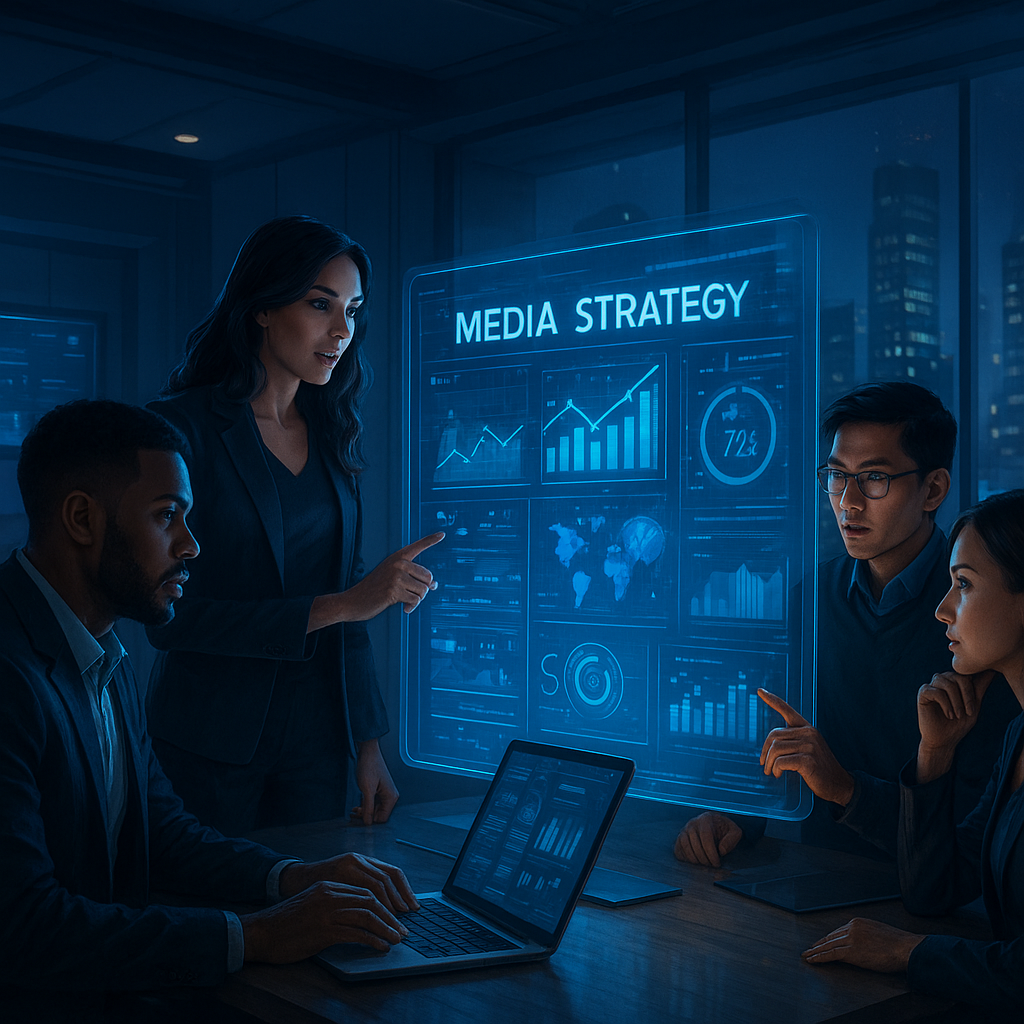
Consider the bustling New York office of a leading global media agency in early July 2026. Hiring managers scramble to fill dozens of open media strategist positions, each candidate bringing nuanced expertise in data analytics, AI-powered campaign orchestration, and cross-channel integration. This scene is emblematic of a wider industry push, driven by the realization that media strategy is the linchpin in modern digital marketing success.
"Media strategy roles are no longer ancillary; they are core to unlocking brand growth in a complex digital ecosystem," notes Jessica Tran, Chief Marketing Officer at a Fortune 500 tech company.
This article delves deeply into the factors fueling this hiring surge, examines core skill sets now in demand, and projects how media strategy will continue to shape digital marketing careers moving forward.
From Traditional to Transformative: The Evolution of Media Strategy
Tracing the trajectory of media strategy provides essential context to understand its current prominence. In the early 2010s, media planning was largely about budget allocation across TV, radio, and print. The rise of digital channels introduced complexity, but it was the explosion of data and programmatic advertising platforms in the late 2010s that fundamentally altered the role.
By the early 2020s, media strategists evolved into sophisticated analysts and orchestrators of omnichannel campaigns, leveraging AI algorithms to optimize ad spend in real-time. This evolution accelerated as consumer attention splintered across emerging platforms such as immersive metaverse environments and interactive short-form video apps.
Industry sources highlight several milestones:
- 2023: Introduction of generative AI tools for creative media optimization.
- 2024: Surge in data privacy regulations prompting strategic shifts toward first-party data reliance.
- 2025: Adoption of cross-device attribution models to measure complex customer journeys.
These developments demanded new competencies, catalyzing the current hiring focus on candidates adept in data science, AI application, and integrated media planning.
2026 Hiring Landscape: Skills, Roles, and Industry Demand
The hiring surge for media strategy professionals in 2026 is characterized by several distinct patterns observable across sectors such as technology, retail, entertainment, and finance. Companies are prioritizing candidates who can navigate sophisticated digital ecosystems incorporating AI, machine learning, and advanced analytics tools.
Job postings analyzed from January to July 2026 reveal key role titles and required skills:
- Media Strategist – AI & Data Analytics Focus: Expertise in AI-driven media buying platforms and predictive modeling.
- Omnichannel Media Planner: Ability to integrate campaigns across digital, social, metaverse, and traditional outlets.
- Consumer Insights Specialist: Proficiency in interpreting complex data sets to inform media targeting.
- Content Distribution Strategist: Experience with programmatic platforms and emerging digital content channels.
According to Statista data, the median salary for media strategists increased by 15% in 2026, reflecting the premium placed on these skills. Moreover, the geographic dispersion of roles has expanded beyond traditional hubs like New York and San Francisco to emerging markets such as Austin and Toronto, indicating a broadening of opportunities.
"The ideal media strategist today blends creativity with data fluency; they are as comfortable interpreting AI outputs as they are crafting compelling narratives," explains Marcus Lee, Head of Talent Acquisition at a leading digital marketing firm.
TheOmniBuzz's own analyses, including insights from Why Media Strategy Roles Are the Fastest-Growing Jobs in Digital Marketing and How Media Strategy Shapes Digital Marketing Careers in 2026, reinforce these observations, highlighting the strategic importance media roles now command.
Cutting-Edge Developments Driving Role Expansion
Several technological and market developments underpin the expansion of media strategy roles in 2026. First, the integration of generative AI into media planning tools has revolutionized campaign design and optimization. Platforms now offer real-time content adaptation based on audience micro-segmentation, requiring strategists to interpret AI insights and humanize machine outputs.
Second, the surge in immersive advertising within the metaverse has introduced new complexity. Brands are investing heavily in virtual experiential marketing, necessitating media strategists who understand spatial analytics and consumer behavior in virtual environments.
Third, privacy-first marketing, driven by the latest global data protection regulations, demands media professionals skilled in first-party data strategy and consent management frameworks. This has led to a rise in hybrid roles combining legal compliance and media planning expertise.
Finally, the increasing fragmentation of digital attention across social, streaming, and emerging platforms creates a pressing need for unified media strategies that optimize reach and engagement without overspending.
- AI-enhanced predictive targeting reduces wasted impressions by up to 30% (industry estimates).
- Brands report up to 25% higher engagement rates when leveraging metaverse campaigns paired with traditional channels.
- Compliance-driven media plans improve consumer trust metrics by 15% on average.
These trends collectively require media strategists to be technologically adept, analytically rigorous, and creatively agile.
Industry Voices: Perspectives on Media Strategy’s Role in Career Growth
Leading practitioners emphasize that media strategy is no longer a back-office function but a strategic driver of business outcomes. According to Lillian Chen, Director of Digital Marketing at a major retail conglomerate, "Our media strategy team is now integral to executive decision-making. Their insights shape product launches, customer retention programs, and even supply chain marketing."
Similarly, at a top entertainment streaming service, media strategists collaborate closely with data scientists and creative teams to tailor campaigns dynamically. This cross-functional approach has proven essential in a 2026 environment where agility and personalization are paramount.
"Media strategists who master AI and customer journey analytics are the most sought-after talents in 2026," says Rahul Patel, a senior recruiter specializing in digital marketing roles.
Furthermore, the growing recognition of media strategy as a high-impact career path is reflected in training programs and certifications. Universities and professional bodies have expanded offerings focused on AI in media, data privacy, and omnichannel campaign management, fueling a talent pipeline aligned with market demands.
For more nuanced insights on the evolving role of media strategy, TheOmniBuzz’s Why Media Strategy Roles Are Soaring in Digital Marketing Hiring provides comprehensive coverage.
Looking Ahead: What Media Strategy Careers Will Demand Next
As digital marketing continues to evolve, media strategy roles are poised to expand further in scope and influence. Key future trends to watch include:
- AI Collaboration: Media strategists will increasingly co-pilot campaigns with AI systems, focusing on ethical considerations and creative interpretation.
- Cross-Media Synergy: Expertise in blending traditional, digital, and immersive media will become a prerequisite.
- Real-Time Consumer Analytics: Instantaneous data interpretation will drive hyper-personalized media activation.
- Privacy-Centric Innovation: Navigating evolving regulations while maintaining marketing effectiveness will demand innovative strategy design.
Professionals aiming to thrive must continuously upgrade skills in AI literacy, data ethics, and emerging platform dynamics. Companies, in turn, will invest in integrated teams that combine media strategy with data science, creative production, and compliance.
"The future media strategist is part analyst, part artist, and part ethicist," predicts marketing futurist Dr. Amira Hassan.
For digital marketers seeking to position themselves advantageously, understanding these shifts is essential. TheOmniBuzz’s resources on digital marketing careers offer strategic guidance to navigate this dynamic terrain.
In conclusion, the surge in media strategy hiring reflects a fundamental transformation in digital marketing. As brands grapple with complexity and seek precision, media strategists stand at the forefront, driving innovation and delivering measurable impact. This pivotal role promises not only abundant job opportunities but also a chance to shape the future of marketing itself.