
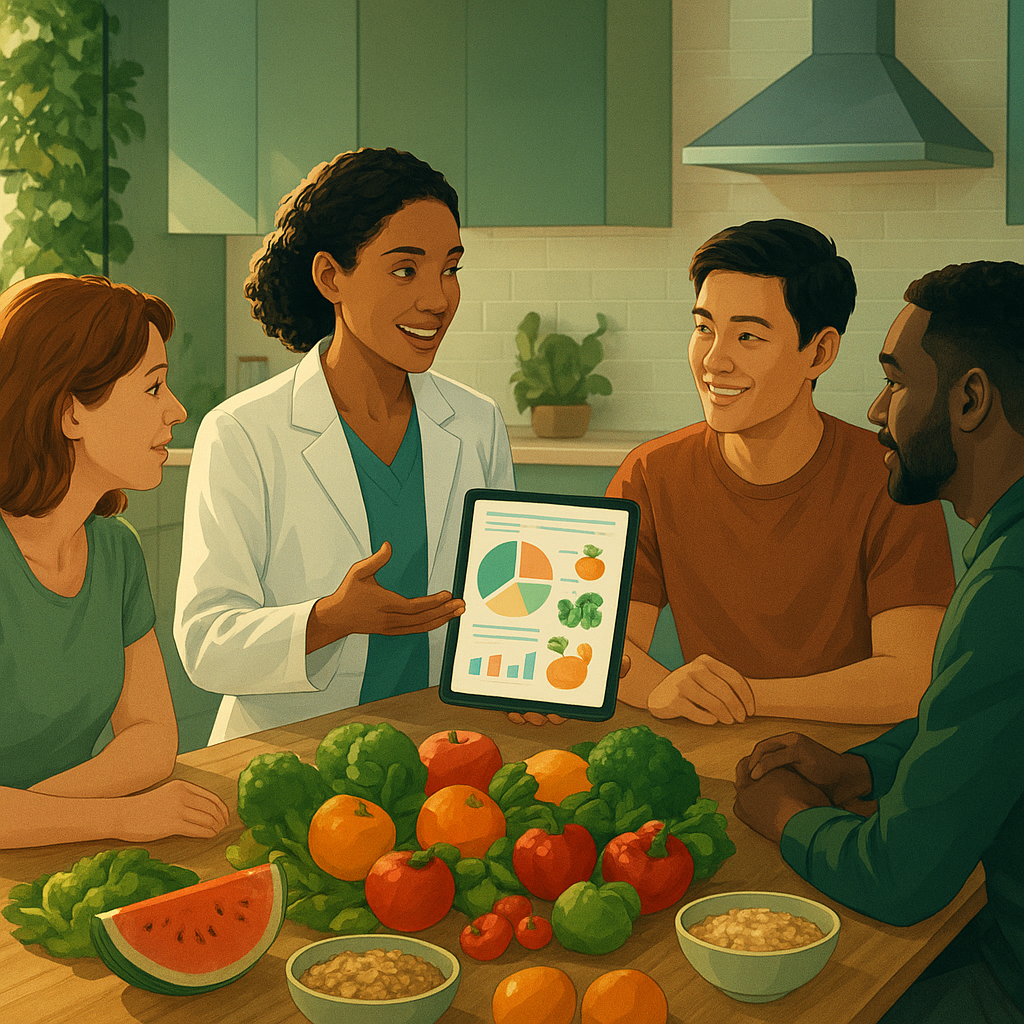
Unlocking the Power of Nutrition: Why Expertise Matters More Than Ever
In 2026, nutrition is no longer just about calorie counting or fad diets. Scientific advancements and personalized health insights have transformed how we understand food's impact on our bodies and longevity. According to recent studies from leading health institutions, nearly 70% of adults globally now consider nutrition a primary factor in their overall wellness strategy. This shift underscores an urgent need for expert guidance amidst a flood of conflicting information. Imagine Sarah, a 38-year-old professional juggling work and family, overwhelmed by nutrition advice that ranges from ketogenic extremes to plant-based zealotry. How can she discern what truly benefits her health?
This article provides an authoritative roadmap, drawing upon the latest research, expert opinions, and emerging trends to offer actionable nutrition strategies. By integrating precision nutrition principles and holistic wellness approaches, readers can optimize their diets for sustained energy, mental clarity, and disease prevention. The insights here complement foundational knowledge discussed in Unlocking Optimal Health: Expert Tips for Mastering Nutrition, broadening the scope with 2026’s newest developments.
“Nutrition science has moved beyond one-size-fits-all; it now demands personalization grounded in rigorous data and lifestyle context,” says Dr. Elena Morris, a leading nutrition epidemiologist.
Tracing the Evolution: How Nutrition Science Reached a Turning Point
To appreciate current expert tips, understanding nutrition’s historical trajectory is essential. The early 21st century was dominated by broad dietary guidelines focusing on macronutrient distribution—carbs, fats, and proteins. However, these generalized recommendations often overlooked individual variability in genetics, microbiome diversity, and metabolic responses. This gap contributed to inconsistent health outcomes and public skepticism.
By the mid-2020s, advances in nutrigenomics and metabolomics revolutionized the field. Researchers decoded how specific gene variants influence nutrient metabolism, while microbiome profiling revealed the gut’s role in modulating nutrient absorption and systemic inflammation. These breakthroughs spurred the rise of precision nutrition, which tailors dietary plans to each person’s unique biological makeup.
Moreover, data analytics and wearable technology now enable continuous health monitoring, providing dynamic feedback loops for dietary adjustments. TheOmniBuzz readers interested in this paradigm shift will find deeper analysis in Harnessing Precision: Advanced Strategies Revolutionizing Nutrition Today.
- Pre-2020: Standardized dietary guidelines with limited personalization.
- 2020-2023: Integration of microbiome research and nutrigenetics.
- 2024-2026: Adoption of AI-driven nutrition analytics and real-time biomarker tracking.
“The transition from generic to precision nutrition represents the most significant leap in public health nutrition in decades,” notes Dr. Raj Patel, a bioinformatics specialist.
Core Expert Strategies Backed by 2026 Data and Research
Expert nutritionists now emphasize a multi-faceted approach that balances evidence-based principles with individual lifestyle factors. Here are five critical tips refined by 2026 research and clinical trials:
- Embrace Nutrient Density Over Caloric Restriction: A landmark 2025 study published in the Journal of Nutritional Science found that diets prioritizing nutrient-rich foods (dark leafy greens, oily fish, nuts) improve metabolic markers more effectively than low-calorie diets alone.
- Leverage Biomarker Testing for Personalized Insights: Blood panels analyzing vitamin levels, inflammatory markers, and lipid profiles guide targeted supplementation and diet tweaks, reducing trial-and-error frustration.
- Optimize Gut Health Through Prebiotics and Fermented Foods: Recent meta-analyses confirm that enhancing microbiome diversity supports immune function and mental health, making fiber-rich and fermented foods staples in expert plans.
- Incorporate Chrono-Nutrition Principles: Timing meals to align with circadian rhythms aids digestion and hormonal balance. For example, consuming carbohydrates earlier in the day and prioritizing protein at dinner has shown improved insulin sensitivity.
- Adopt Sustainable and Ethical Food Choices: Experts stress that environmental impact and personal values influence dietary adherence and mental wellbeing, encouraging mindful sourcing and plant-forward menus.
These strategies underscore the necessity of moving beyond simplistic diet trends toward comprehensive, adaptable frameworks. Detailed breakdowns of such advanced strategies are available in Starting Strong: Essential Steps to Embrace Nutrition with Confidence.
Emerging Trends and Developments Shaping Nutrition in 2026
This year marks a watershed moment in nutrition with several groundbreaking innovations entering mainstream use. Among them, AI-driven meal planning apps now integrate continuous glucose monitoring, genetic data, and lifestyle inputs to generate hyper-personalized diet recommendations. Companies like NutriAI and BioFuel Labs have reported user adherence rates surpassing 80%, a significant improvement over prior tools.
Simultaneously, the field of epinutrition is gaining momentum. This approach targets epigenetic modifications through diet, aiming to switch on or off genes linked to chronic diseases such as diabetes and cardiovascular disorders. Early clinical trials suggest promising results, although experts caution that more longitudinal studies are required.
Plant-based alternatives continue to evolve, with 2026 seeing the debut of cultured meat products with enhanced nutrient profiles and minimal environmental footprint. These innovations address ethical concerns while meeting protein needs, aligning with expert recommendations for sustainability.
- AI personalized nutrition platforms with integrated biometrics.
- Epinutrition targeting gene expression modulation.
- Next-gen plant-based and cultured protein sources.
- Expanded use of gut microbiome editing techniques.
- Enhanced public education campaigns on nutrition literacy.
These trends not only improve individual health outcomes but also represent critical steps toward resolving global nutrition challenges. For a broader perspective on the breakthroughs reshaping wellness, see Reimagining Nutrition: Breakthroughs Reshaping Wellness in 2026.
Real-World Applications: Case Studies Highlighting Expert Nutrition Impact
To illustrate these expert tips in action, consider the following case studies that showcase the transformative potential of modern nutrition strategies.
Case Study 1: Personalized Nutrition Reverses Prediabetes
Mark, a 52-year-old with prediabetes, underwent comprehensive biomarker and genetic testing in early 2026. His nutritionist designed a precision diet emphasizing low-glycemic index foods, optimized meal timing, and probiotic supplementation. Within six months, Mark’s HbA1c levels normalized, and he reported improved energy and cognitive function. This case underscores how data-driven customization can outperform generic advice.
Case Study 2: Gut Microbiome Modulation Enhances Mental Health
Emily, a 29-year-old experiencing anxiety and digestive issues, adopted a microbiome-focused nutrition plan incorporating diverse prebiotic fibers and fermented foods. After three months, clinical assessments demonstrated reduced inflammatory markers and significant mood improvements. This aligns with growing evidence linking gut health with neuropsychological states.
Case Study 3: Sustainable Nutrition Boosts Community Wellness
A municipal health program in Portland integrated expert nutrition education with access to sustainable, plant-forward foods. Over a year, participant health metrics improved, and food waste decreased by 25%. This initiative exemplifies how expert nutrition guidance coupled with ethical food systems fosters both individual and societal benefits.
- Personalized interventions yield measurable health improvements.
- Gut health strategies support mental and physical wellbeing.
- Community programs enhance nutrition equity and sustainability.
Looking Ahead: Future Directions and Actionable Takeaways
As nutrition science continues to advance, experts predict several key developments on the horizon. Integration of multi-omics data—combining genomics, proteomics, and metabolomics—will refine personalization further. Wearable biosensors are expected to become more accessible, enabling real-time dietary adjustments. Additionally, policy initiatives will likely emphasize nutrition education and equitable food access to combat disparities.
For individuals seeking to apply expert nutrition tips today, consider these practical steps:
- Invest in comprehensive biomarker testing to understand your baseline health.
- Work with credentialed nutrition professionals who use evidence-based personalization.
- Focus on nutrient-dense, minimally processed whole foods tailored to your needs.
- Monitor your body’s responses and adjust dietary patterns accordingly.
- Adopt sustainable food practices aligned with your values.
“The future belongs to those who treat nutrition as a dynamic, personalized science rather than a static set of rules,” advises Dr. Morris.
By embracing these expert strategies, readers can transcend diet fads and build a resilient foundation for lifelong health. Nutrition is no longer guesswork; it is an evolving discipline guided by data, technology, and human individuality.
For more in-depth expert insights and the latest breakthroughs, visit TheOmniBuzz’s dedicated coverage on nutrition, including Why Nutrition Science Is Finally Catching Up to Our Health Needs.