Sourcing specialty chemicals requires careful evaluation of product quality, supplier reliability, technical documentation, and long-term availability. When searching for CAS No: 898838-07-8 Manufacturers, pharmaceutical companies, research laboratories, and industrial buyers often face an important decision: should they purchase directly from a chemical manufacturer or approach a distributor? Understanding the differences between these sourcing options can help businesses make informed purchasing decisions while maintaining consistent quality and supply requirements.
Understanding CAS No. 898838-07-8
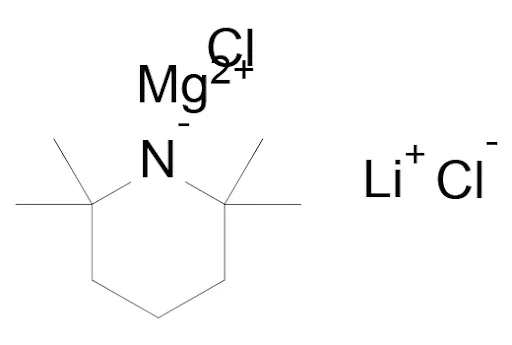
CAS No. 898838-07-8 refers to 2,2,6,6-Tetramethylpiperidinyl Magnesium Chloride Lithium Chloride Complex, commonly known as TMPMgCl·LiCl. It is a specialized organomagnesium reagent supplied in solution form, including a 1.0 M formulation in tetrahydrofuran (THF).
This compound is relevant to organometallic chemistry and specialized organic synthesis. Its procurement requires attention to concentration, product specifications, handling requirements, and documentation. Therefore, choosing an appropriate sourcing partner is important for businesses that depend on reliable specialty chemical supplies.
Chemical Manufacturer vs. Distributor: What Is the Difference?
A chemical manufacturer produces a compound through established chemical processes using appropriate equipment, raw materials, production controls, and analytical testing procedures. Manufacturers generally have greater direct involvement in production planning, batch management, process development, and product quality oversight.
A chemical distributor, on the other hand, purchases products from manufacturers and supplies them to customers through its distribution network. Distributors can offer advantages such as product availability, convenient purchasing, access to multiple brands, and consolidated procurement.
Both sourcing channels have their advantages. However, the right choice depends on the buyer's quantity requirements, technical expectations, documentation needs, and future procurement plans.
1. Product Quality and Batch Consistency
Quality assurance is one of the most important considerations when sourcing organometallic reagents. Buyers should understand how the supplier evaluates product identity, concentration, purity, and batch consistency.
Purchasing directly from a manufacturer can provide better visibility into production-related quality controls and batch documentation. Buyers may also have opportunities to discuss specific technical requirements with the production or quality team.
Distributors can supply quality products as well, provided they work with qualified manufacturers and maintain appropriate storage and traceability practices.
When evaluating CAS No: 898838-07-8 Manufacturers, request relevant product specifications, Certificates of Analysis (COA), and Safety Data Sheets (SDS). These documents help verify whether the supplied material meets the requirements of the intended application.
2. Bulk Availability and Supply Chain Reliability
For pharmaceutical manufacturers and industrial buyers, uninterrupted chemical availability is essential. Delays in sourcing specialized reagents can affect production schedules, research activities, and overall procurement planning.
Direct manufacturer relationships can be beneficial for recurring and bulk requirements because buyers can discuss production schedules, order quantities, and potential future demand.
Distributors may offer quicker access to available inventory, particularly for smaller orders or consolidated purchases. However, their supply capabilities can depend on manufacturer stock levels and distribution arrangements.
Businesses planning regular procurement should evaluate production capabilities, inventory management, lead times, and the supplier's ability to support long-term requirements.
3. Technical Support and Customization
Specialty chemical procurement often involves technical discussions beyond product pricing. Buyers may need clarification regarding concentration, packaging, analytical specifications, storage conditions, or application-related requirements.
Manufacturers generally have more direct access to production chemists, research teams, and quality professionals. This can make technical communication more straightforward when discussing specialized requirements.
Distributors can also provide product information and coordinate technical support, although the level of assistance may depend on their relationship with the original manufacturer.
For complex chemical requirements, establishing direct communication with a manufacturer can be a practical advantage.
4. Pricing and Long-Term Procurement Value
Price is an important factor, but the lowest quotation does not necessarily represent the best procurement decision. Buyers should consider product quality, packaging, transportation, documentation, order quantities, and delivery reliability when comparing suppliers.
Direct manufacturer sourcing may offer advantages for larger or recurring orders by reducing intermediary costs. Distributors, meanwhile, may provide competitive pricing through established purchasing networks and consolidated shipments.
For businesses evaluating CAS No: 898838-07-8 Manufacturers, requesting quotations from qualified suppliers and comparing the complete commercial terms can help identify the most suitable sourcing arrangement.
5. Documentation, Safety and Supplier Transparency
Proper documentation is essential when purchasing specialty chemicals. Buyers should request relevant technical documents before confirming an order.
Important documents and information include:
- Certificate of Analysis (COA) for the supplied batch.
- Safety Data Sheet (SDS) with appropriate handling and storage information.
- Product specifications, including concentration and chemical identity.
- Batch number and traceability information.
- Packaging and transportation details.
- Applicable quality certifications and compliance documentation.
A reliable manufacturer or distributor should be able to explain the origin of the material and provide relevant supporting documents. Buyers should also verify that the supplied product matches the agreed specifications.
Why Consider Vasista Life Sciences for CAS No. 898838-07-8?
Vasista Life Sciences is an Indian specialty chemical manufacturer involved in the production and supply of bulk drug intermediates, fine chemicals, metal reagents, borane reagents, and Grignard reagents.
Established in 2010, the company serves domestic and international customers through its manufacturing and research capabilities. Its Hyderabad manufacturing facility supports commercial production, including metal chemistry and specialized chemical processing.
Vasista also lists 2,2,6,6-Tetramethylpiperidinyl Magnesium Chloride Lithium Chloride Complex, 1.0 M in THF, under its specialty chemical portfolio.
For businesses evaluating CAS No: 898838-07-8 Manufacturers, working with a manufacturer such as Vasista Life Sciences offers an opportunity to discuss product specifications, procurement quantities, documentation, and commercial requirements directly.
Buyers can visit the CAS No. 898838-07-8 product page to explore the product and submit an enquiry.
Conclusion: Choosing the Right Sourcing Partner
The decision between a chemical manufacturer and a distributor depends on the specific requirements of each business. Distributors can provide purchasing convenience and access to multiple products, while direct manufacturers can offer closer communication regarding production, quality control, and recurring supply requirements.
For specialized reagents such as TMPMgCl·LiCl, buyers should prioritize verified product specifications, reliable documentation, batch consistency, and transparent supplier communication.
Choosing an experienced manufacturing partner can help pharmaceutical companies, research organizations, and industrial buyers establish dependable procurement relationships. By evaluating these factors carefully, businesses can make informed sourcing decisions and identify a suitable supplier for their CAS No. 898838-07-8 requirements.
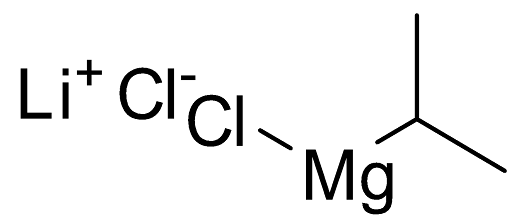
Other Recommendations: Isopropylmagnesium chloride lithium chloride complex