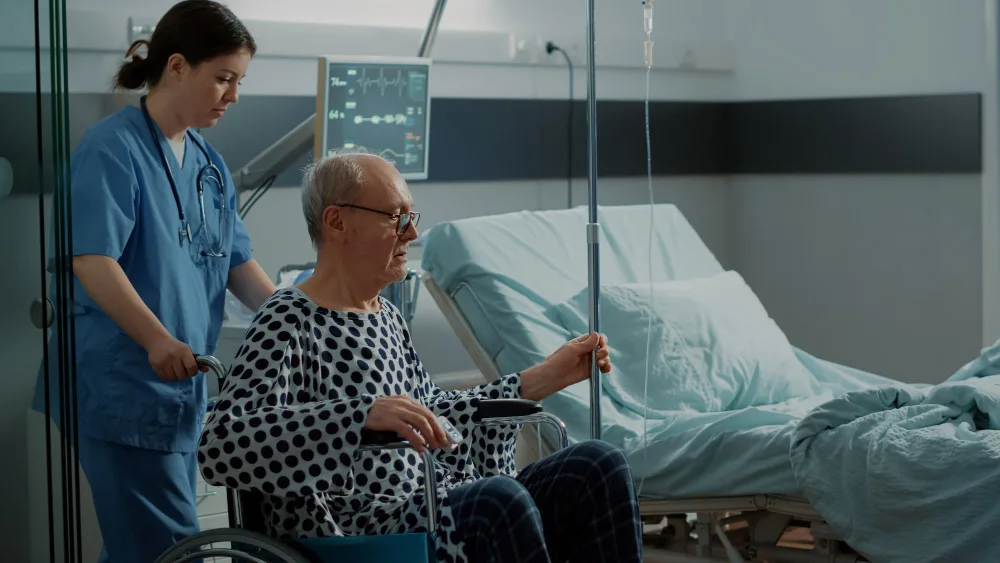
Moving and assisting patients safely is an essential responsibility for healthcare professionals, nurses, healthcare assistants and care workers. Whether helping someone reposition in bed, transfer to a chair or use mobility equipment, workers need to understand how to assess risks and choose appropriate handling techniques.
In Ireland, manual handling education is particularly important for professionals working in healthcare and social care environments. Developing practical skills can help reduce avoidable injuries, encourage safer working practices and protect the dignity of people receiving care.
Why Is Manual Handling Training Important?
Patient handling involves more than lifting or moving a person. Each situation requires an assessment of the individual's mobility, physical condition, ability to participate and level of support required.
Incorrect handling techniques can place unnecessary strain on a worker's back, shoulders and other joints. Patients may also experience discomfort or injury if transfers are poorly planned.
Appropriate training helps workers recognise hazards, follow workplace procedures and make informed decisions before assisting someone to move. It also reinforces the importance of using suitable equipment and requesting additional assistance when required.
Essential Skills for Safe Patient Handling
1. Risk Assessment Before Every Transfer
Before moving a patient, healthcare workers should consider the person's mobility, ability to participate, care needs and the surrounding environment. They should check for obstacles, ensure adequate space and follow the relevant care plan and workplace procedures.
A person's ability to move may change from one occasion to another. Workers should therefore reassess the situation rather than assume that a previously safe technique remains appropriate.
2. Correct Moving and Handling Techniques
Understanding body mechanics helps workers position themselves appropriately and avoid unnecessary twisting, reaching or straining. However, good posture alone does not make every lift safe.
Workers must select an appropriate method based on their assessment, training and the assistance required. Manual lifting should not be attempted when it is unsafe or inconsistent with workplace procedures.
3. Safe Patient Transfers
Transferring a person between a bed, wheelchair or chair requires planning, communication and suitable assistance. Healthcare workers should explain the process, prepare the environment and ensure that the person understands what will happen.
The transfer method should reflect the individual's mobility and assessed needs. When equipment or assistance from another trained worker is necessary, these requirements should be addressed before the transfer begins.
4. Correct Use of Patient Handling Equipment
Slide sheets, hoists and appropriate slings can support safer patient movement when selected and used correctly. Workers need to understand equipment limitations, safety checks, manufacturer instructions and relevant workplace procedures.
Practical instruction is valuable because reading about equipment does not necessarily prepare someone to use it safely in a real care environment. Supervised practice helps workers understand how to apply appropriate techniques and recognise situations where additional assistance is necessary.
5. Communication and Patient Dignity
Safe handling involves the person receiving care as well as the worker providing assistance. Explaining each step, listening to concerns and encouraging independence where appropriate can make transfers more comfortable and respectful.
Maintaining privacy and treating every individual with dignity should remain central to patient handling practices. Clear communication also helps workers understand a person's abilities and concerns before beginning a transfer.
Who Can Benefit From Practical Manual Handling Training?
Practical training may be relevant to nurses, healthcare assistants, care workers and other professionals whose responsibilities include assisting people with mobility. The exact training required depends on the person's role, workplace policies and applicable requirements.
Workers should also distinguish between general manual handling instruction and people-handling training. Assisting a patient with limited mobility may require specific techniques, equipment and risk assessments that are not covered by lifting general objects alone.
Understanding this distinction can help healthcare professionals identify training that is relevant to their responsibilities and the people they support.
Choosing Manual Handling Practical Training in Ireland
When choosing a course, consider whether it includes practical instruction, risk assessment, patient transfers and the safe use of relevant handling equipment. It is also important to check the trainer's qualifications, course prerequisites, assessment arrangements and certificate validity before booking.
Care Learning Ireland offers Manual & Patient Handling Practical Training for eligible participants. The course focuses on practical patient-handling skills, including safe transfers, risk assessment and the use of equipment such as slide sheets, hoists and slings.
Healthcare professionals interested in developing these skills can review the programme, prerequisites and booking information on the Manual Handling Practical Training course page.
Participants should review the course entry requirements before enrolling, including the requirement to hold the relevant HSE Manual Handling and People Handling Training certificate.
Choosing suitable practical training allows workers to build on their existing knowledge and understand how to apply safe handling procedures in healthcare environments.
Building Safer Practices Through Ongoing Learning
Manual handling is an essential skill for healthcare professionals who assist patients with mobility. Regular training, appropriate supervision and consistent risk assessment help maintain safer practices while protecting both workers and the people receiving care.
Care Learning Ireland supports healthcare professionals in developing their practical skills through its Manual & Patient Handling Practical Training. By reviewing the course requirements and available training opportunities, eligible participants can take a step towards strengthening their patient-handling knowledge and supporting safer care environments.
Investing in appropriate training helps promote confidence, professional development and dignity in everyday healthcare practice.