
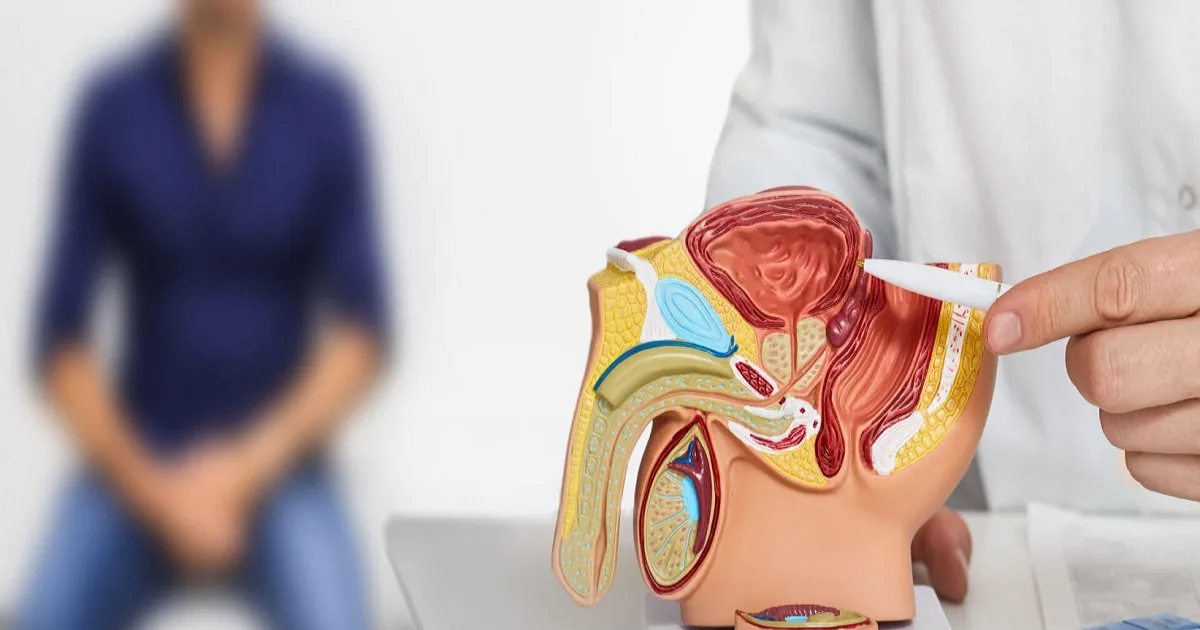
Male infertility is a common reproductive health concern that can make it difficult for a couple to conceive naturally. It may be linked to problems with sperm production, sperm movement, sperm quality, hormonal balance, or blockages in the reproductive tract. The good news is that advances in reproductive medicine have made several effective treatment options available for men with different types of fertility problems.
For couples looking for Male infertility treatment in Delhi, the first step is usually a detailed evaluation to understand why conception is not happening. Depending on the underlying cause, treatment may involve lifestyle changes, medicines, surgery, or assisted reproductive techniques such as IVF and ICSI.
What Is Male Infertility?
Male infertility refers to a man's inability to contribute to a pregnancy despite regular unprotected intercourse over a period of time. Fertility depends on several factors, including the production of healthy sperm, the ability of sperm to move properly, and the successful delivery of sperm into the female reproductive tract.
Sperm-related problems are among the most common causes of male infertility. These may include a low sperm count, poor sperm motility, abnormal sperm morphology, or the complete absence of sperm in the semen.
Infertility is not necessarily a permanent condition. Once the underlying problem is identified, a suitable treatment plan can often improve the chances of conception.
Common Causes of Male Infertility
There is no single cause of male infertility. Several medical, lifestyle, genetic, and environmental factors can affect male reproductive health.
Common causes include:
- Low sperm count: The testes may produce fewer sperm than required for natural conception.
- Poor sperm motility: Sperm may not move effectively toward the egg.
- Abnormal sperm morphology: Changes in sperm shape or structure can affect fertilisation.
- Azoospermia: Sperm may be completely absent from the ejaculate.
- Varicocele: Enlarged veins around the testicle can sometimes affect sperm production and quality.
- Hormonal problems: Imbalances involving testosterone or reproductive hormones may interfere with sperm production.
- Infections: Certain infections can affect sperm production or cause blockages in the reproductive tract.
- Genetic factors: Some chromosomal or genetic conditions can contribute to infertility.
- Erectile or ejaculation problems: Difficulty with erection or ejaculation can prevent sperm from reaching the female reproductive tract.
- Lifestyle factors: Smoking, excessive alcohol consumption, obesity, poor sleep, chronic stress, and exposure to excessive heat may negatively affect reproductive health.
- Previous medical treatment: Certain surgeries, medications, chemotherapy, or radiation therapy can affect fertility.
Identifying the specific cause is important because treatment varies significantly from one patient to another.
How Is Male Infertility Diagnosed?
A fertility specialist generally begins with a detailed medical and reproductive history. The doctor may ask about previous pregnancies, sexual health, medical conditions, surgeries, medications, lifestyle habits, and family history.
The most common initial investigation is a semen analysis. This test evaluates factors such as sperm concentration, motility, morphology, and semen volume.
Depending on the findings, additional investigations may include:
- Hormonal blood tests
- Scrotal ultrasound
- Genetic testing
- Tests for infections
- Assessment for varicocele
- Evaluation for reproductive tract obstruction
- Specialized sperm tests when clinically appropriate
Testicular evaluation in selected cases
A complete evaluation helps the fertility specialist determine whether the problem is related to sperm production, sperm transport, hormones, or another factor.
Azoospermia and Its Treatment
Azoospermia means that no sperm are detected in the semen sample. It can broadly be classified into obstructive and non-obstructive azoospermia.
In obstructive azoospermia, sperm may be produced normally in the testes but cannot reach the semen because of a blockage. In non-obstructive azoospermia, sperm production itself may be significantly reduced or absent.
For men dealing with this condition, choosing an experienced Azoospermia clinic in Delhi can help ensure that appropriate diagnostic testing is performed before deciding on treatment.
Treatment depends on the cause. If a blockage is identified, surgery may sometimes restore the passage of sperm. In selected patients, sperm retrieval procedures may be considered. Retrieved sperm can potentially be used with assisted reproductive techniques such as ICSI.
Azoospermia should not automatically be considered untreatable. Some men with very low or apparently absent sperm production may still have sperm that can be retrieved directly from the testicular tissue, depending on their individual condition.
Medicines and Surgical Treatments
Not every man with infertility needs IVF or ICSI. When a correctable medical cause is identified, treating that cause may be sufficient.
Hormonal treatment may be recommended when infertility is caused by a specific hormonal disorder. However, testosterone replacement therapy should not be started casually in men who are trying to conceive because external testosterone can suppress sperm production.
Surgery may be considered for conditions such as varicocele or reproductive tract obstruction. The suitability of surgery depends on the patient's examination, test results, fertility history, and other factors.
Lifestyle improvements may also support reproductive health. Maintaining a healthy weight, exercising regularly, avoiding tobacco, limiting excessive alcohol, managing stress, getting adequate sleep, and avoiding unnecessary heat exposure to the testes may be recommended as part of an overall fertility plan.
IVF Treatment for Male Infertility
When natural conception is unlikely or previous treatments have not worked, assisted reproductive techniques may be considered. IVF treatment in Delhi involves fertilising an egg with sperm in a laboratory and transferring a resulting embryo into the uterus.
For male-factor infertility, IVF may be recommended when sperm count or motility is reduced but sperm are available in sufficient numbers for conventional fertilisation.
The process generally involves ovarian stimulation for the female partner, egg retrieval, laboratory fertilisation, embryo development, and embryo transfer. The exact protocol varies depending on the couple's medical history and fertility assessment.
It is worth remembering that IVF is not automatically the best treatment for every case of male infertility. A fertility specialist should first determine whether simpler treatments or other assisted reproductive methods may be appropriate.
ICSI for Severe Male-Factor Infertility
Intracytoplasmic sperm injection, commonly called ICSI, is an advanced laboratory technique in which a single sperm is injected directly into an egg to assist fertilisation.
ICSI for infertility treatment in Delhi may be considered when there is severe male-factor infertility, very low sperm count, poor sperm motility, previous fertilisation failure, or when sperm have been obtained through a surgical retrieval procedure.
ICSI can be particularly useful when only a small number of viable sperm are available. In some cases involving azoospermia, sperm retrieved directly from the testis or epididymis may be used for ICSI.
However, ICSI does not guarantee pregnancy. Successful treatment depends on multiple factors, including sperm and egg quality, female reproductive health, embryo development, age, and the underlying cause of infertility.
How to Choose the Right Fertility Centre in Delhi
Delhi has several fertility centres offering diagnostic services and assisted reproductive treatments. When choosing a centre, couples should look beyond advertising claims and consider the quality of medical evaluation and laboratory support.
Important factors include:
- Experience of the fertility specialists
- Availability of male infertility evaluation
- Quality and experience of the embryology laboratory
- Access to sperm retrieval procedures when required
- Proper diagnosis before recommending advanced treatment
- Transparent communication about treatment options and costs
- Appropriate counselling regarding expected outcomes and limitations
- Individualised treatment planning
A good fertility centre should explain why a particular treatment is being recommended rather than presenting IVF or ICSI as a universal solution.
What Can Improve the Chances of Treatment Success?
Treatment success depends on the underlying cause and the reproductive health of both partners. For this reason, fertility evaluation should generally involve both partners rather than focusing exclusively on the man or woman.
Men can support their reproductive health by maintaining a healthy lifestyle and following medical advice. If a fertility treatment has been recommended, taking prescribed medicines correctly and attending scheduled appointments can help the treatment proceed as planned.
Couples should also understand that fertility treatment may require more than one attempt. Results can vary considerably between individuals, and no clinic can guarantee a pregnancy.
When Should You Consult a Fertility Specialist?
Couples generally benefit from seeking medical evaluation when pregnancy has not occurred after a year of regular unprotected intercourse. Earlier evaluation may be appropriate when there is a known fertility concern, previous testicular or reproductive surgery, a history of chemotherapy or radiation, sexual or ejaculation difficulties, or suspected azoospermia.
Men should not wait for infertility to become a prolonged source of stress before seeking an evaluation. A basic semen analysis and medical consultation can provide useful information and help identify whether further testing is needed.
Conclusion
Male infertility can result from many different conditions, but advances in reproductive medicine have expanded the available treatment options. The right approach starts with identifying the underlying cause rather than immediately choosing an advanced procedure.
For patients seeking Male infertility treatment in Delhi, options can range from lifestyle and medical management to surgery, sperm retrieval, IVF, and ICSI. Men diagnosed with azoospermia may also have treatment possibilities depending on whether the condition is caused by an obstruction or impaired sperm production.
Similarly, IVF treatment in Delhi and ICSI for infertility treatment in Delhi can provide options for couples facing significant male-factor infertility. If azoospermia is suspected, consulting an experienced Azoospermia clinic in Delhi can help determine whether sperm retrieval or another treatment approach is appropriate.
Because infertility is a couple's health issue, both partners should ideally undergo an appropriate evaluation. A personalised treatment plan based on medical findings gives couples a clearer understanding of their options and helps avoid unnecessary procedures.