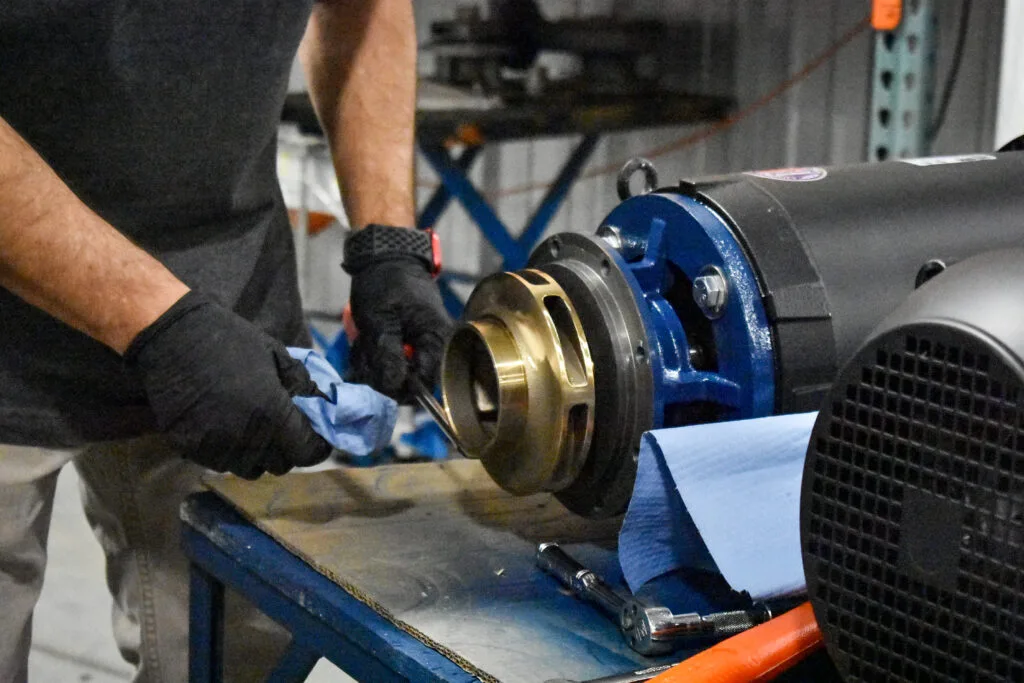
A Magnetically Driven Pump offers a reliable solution for transferring liquids where leakage prevention is important. Its seal-less design uses magnetic force to transfer power from the motor to the impeller. This reduces the need for traditional mechanical shaft seals. A Magnetically Driven Pump is commonly used in chemical processing, industrial manufacturing, and other demanding applications. Choosing the right pump manufacturing company helps ensure the equipment meets your operating requirements.
Industrial facilities often handle corrosive, hazardous, or expensive liquids. Even a small leak can create safety risks, damage equipment, and increase maintenance costs. A Magnetically Driven Pump helps reduce these risks through a sealed pumping chamber. However, selecting a suitable Magnetically Driven Pump requires careful attention to flow, pressure, materials, and temperature. An experienced pump manufacturing company can help identify the right configuration for your application.
What Is a Magnetically Driven Pump?
A magnetically driven pump is a type of centrifugal pump that transfers power through magnetic coupling. Unlike conventional centrifugal pumps, it does not use a traditional mechanical shaft seal to connect the motor and impeller.
The motor rotates an external drive magnet. Magnetic force transfers this rotation to an internal driven magnet connected to the impeller. A containment shell separates the two magnetic assemblies while keeping the pumped liquid inside the pump chamber.
This arrangement reduces potential leakage paths around the rotating shaft.
Magnetic drive pumps are also known as:
- Magnetic coupling pumps
- Mag-drive pumps
- Sealless centrifugal pumps
- Magnetically coupled pumps
You can learn more about the operating principle from the KSB mag-drive pump guide.
How Does a Magnetically Driven Pump Work?
A magnetic drive pump uses two magnetic assemblies to transfer rotational energy. These assemblies work together without a direct mechanical shaft connection through the containment shell.
The main operating components include:
ComponentFunctionDrive magnetReceives rotational power from the motorDriven magnetTransfers magnetic force to the pump shaftContainment shellSeparates the pumped liquid from the external driveImpellerMoves liquid through centrifugal forcePump shaftSupports the rotating internal assemblyBushings and bearingsSupport internal rotating componentsMotorProvides the power needed to operate the pumpThe Pumping Process
The operating process follows several steps:
- The electric motor starts rotating the external drive magnet.
- Magnetic force transfers rotation through the containment shell.
- The internal driven magnet begins rotating.
- The connected impeller starts moving the liquid.
- Centrifugal force moves liquid toward the discharge outlet.
- The process continues while the pump receives suitable operating conditions.
The pumped liquid often circulates internally to cool and lubricate the bearings and bushings. This makes proper liquid supply important during operation.
Key Benefits of Magnetically Driven Pumps
Magnetic drive pumps offer several advantages for industrial liquid handling. Their design is particularly useful when conventional shaft seals create maintenance or leakage concerns.
1. Reduced Leakage Risk
Traditional centrifugal pumps often use mechanical seals or packing around the rotating shaft. These components can wear over time and require maintenance.
A magnetic drive pump removes the conventional rotating shaft seal. Its containment shell separates the pumped liquid from the motor-side magnetic assembly.
This design reduces potential leakage paths. It can be valuable when handling hazardous or expensive liquids.
2. Lower Seal Maintenance
Mechanical seals can require inspection, adjustment, and replacement. A magnetic drive design eliminates this particular maintenance requirement.
However, it does not make the entire pump maintenance-free. Internal bearings, bushings, impellers, and other components still require proper inspection.
3. Improved Handling of Corrosive Chemicals
Chemical processing facilities often transfer liquids that can damage conventional pump materials.
Magnetic drive pumps are available with different construction materials. These may include stainless steel and engineered plastics, depending on the manufacturer and model.
Material selection should consider chemical concentration, temperature, pressure, and compatibility.
4. Better Containment for Sensitive Applications
Some applications require strict control over liquid leakage. Examples include chemical manufacturing, pharmaceutical production, and industrial processing.
A sealed pumping chamber helps contain the liquid during normal operation. This can support safer handling procedures and reduce environmental exposure.
5. Suitable for Different Industrial Processes
Manufacturers offer different magnetic drive pump configurations. These can support a range of flow rates, pressure requirements, and liquid properties.
The correct model depends on the specific application rather than the pump category alone.
Common Applications of Magnetically Driven Pumps
Magnetic drive pumps are used across several industries. They are particularly useful where leakage control and chemical compatibility matter.
IndustryCommon applicationsChemical processingTransferring acids, alkalis, and compatible chemicalsPharmaceuticalMoving process liquids and specialty fluidsWater treatmentChemical dosing and treatment processesManufacturingCirculating compatible industrial liquidsAgricultureTransferring suitable fertilizers and agricultural chemicalsPlatingMoving process chemicals and treatment solutionsCooling systemsCirculating compatible cooling liquidsChemical Processing
Chemical facilities often handle corrosive and potentially hazardous liquids. A magnetic drive pump can help reduce leakage risks during transfer.
The selected pump must have compatible wetted materials. Operators should also confirm the required flow, pressure, and temperature limits.
Water Treatment
Water treatment plants use pumps to move water and treatment chemicals. Magnetic drive pumps may support chemical transfer and circulation applications.
The correct model depends on the chemical properties and operating conditions.
Pharmaceutical Manufacturing
Pharmaceutical processes often require controlled liquid handling. A suitable magnetic drive pump can support applications where containment and material compatibility are important.
Facilities should also consider cleaning requirements and applicable industry standards.
How to Choose the Right Pump Manufacturing Company
Selecting the right manufacturer is an important part of purchasing industrial pumping equipment. A reliable pump manufacturing company should offer suitable products, technical information, and support throughout the equipment selection process.
Consider these factors before making a decision.
1. Product Range and Manufacturing Experience
Review the manufacturer's experience with centrifugal and magnetic drive pumps.
A company with a suitable product range may offer different configurations for chemical transfer, industrial processing, and OEM applications.
Check its product catalogue, technical documents, and available model specifications.
2. Material and Chemical Compatibility
Pump construction materials directly affect performance and service life.
Ask the manufacturer to confirm whether the selected materials are suitable for your liquid. Consider:
- Chemical concentration
- Operating temperature
- Liquid viscosity
- Corrosion resistance
- Pressure requirements
- Compatibility of O-rings and internal components
Do not select materials based only on the pump casing. Every wetted component must be suitable for the application.
3. Performance Data and Technical Documents
A professional manufacturer should provide useful technical information.
Review the following documents before ordering:
- Pump performance curves
- Installation manuals
- Operating instructions
- Material specifications
- Dimensional drawings
- Maintenance guidelines
These documents help engineers confirm whether the pump can meet the system requirements.
4. Customization and OEM Support
Some industrial applications require specific pump configurations. These may include special materials, motor arrangements, mounting dimensions, or connection types.
An experienced manufacturer can help evaluate these requirements. OEM support is also useful for businesses integrating pumps into larger equipment.
5. Parts Availability and Technical Support
Pump maintenance can become difficult when replacement parts are unavailable.
Ask about spare parts, repair components, technical assistance, and service arrangements. Confirm whether support is available through the manufacturer or its authorized distributors.
6. Warranty and Quality Standards
Review the manufacturer's warranty and quality procedures before purchasing.
Ask about product testing, inspection processes, documentation, and available certifications. These details help evaluate the manufacturer's reliability.
Price Pump and Its Magnetic Drive Pump Solutions
Price Pump manufactures centrifugal and air-operated diaphragm pumps for industrial and OEM applications. Its magnetic drive range includes several configurations designed for different pumping requirements.
Some available product categories include:
Price Pump modelGeneral application focusCD MAG-DriveIndustrial chemical and process applicationsHP MAG-DriveApplications requiring a different pressure and performance rangeXL MAG-DriveHigher-capacity pumping requirementsCL150 MAG-DriveIndustrial liquid transfer applicationsThe correct model depends on the required flow, total head, liquid properties, and operating conditions.
For example, the CD MAG-Drive Pump is a horizontal magnetic drive centrifugal pump. Its published product information lists a maximum series capacity of 190 GPM and a maximum head of 90 feet. Actual performance depends on the selected model and operating point.
You can also review other Price Pump products and its technical documents.
Important Operating and Maintenance Considerations
Magnetic drive pumps require correct installation and operating conditions. Their seal-less construction does not eliminate every possible failure.
Follow these important precautions:
Avoid dry running: Many magnetic drive pumps depend on the pumped liquid to cool and lubricate internal bearings. Running without liquid can cause overheating and damage.
Maintain proper suction conditions: Insufficient suction pressure can cause cavitation and reduce pump performance.
Check liquid compatibility: Confirm that the liquid will not damage the casing, impeller, shaft, bushings, or O-rings.
Monitor operating conditions: Watch for unusual vibration, noise, temperature changes, and reduced flow.
Follow manufacturer instructions: Use the recommended installation, startup, and maintenance procedures for the selected model.
Prevent unsuitable solids from entering: Particles can damage internal components. Check the manufacturer's limits before handling liquids containing solids.
Regular inspection helps identify problems before they cause unexpected equipment failure.
Common Mistakes When Selecting a Magnetic Drive Pump
Avoid these mistakes when choosing equipment for an industrial application:
- Selecting a pump based only on its maximum flow rate.
- Ignoring total dynamic head requirements.
- Choosing construction materials without checking chemical compatibility.
- Assuming every magnetic drive pump can handle solids.
- Operating the pump without sufficient liquid.
- Overlooking motor voltage, frequency, and power requirements.
- Purchasing equipment without reviewing its performance curve.
- Ignoring spare parts and technical support availability.
A detailed application review helps reduce these risks and supports better equipment selection.
Conclusion
A magnetically driven pump provides a practical solution for applications where leakage prevention and controlled liquid transfer are important. Its magnetic coupling eliminates the conventional rotating shaft seal and helps reduce potential leakage paths.
Choosing the right equipment requires careful attention to performance, materials, temperature, and operating conditions. A reliable pump manufacturing company can help evaluate these requirements and recommend a suitable configuration.
Price Pump offers magnetic drive centrifugal pump models for industrial and OEM applications. Review its product specifications, technical documents, and support services before selecting a pump for your facility.
Frequently Asked Questions
1. What is a magnetically driven pump?
A magnetically driven pump is a centrifugal pump that uses magnetic coupling to transfer rotational power from the motor to the impeller. It does not require a conventional rotating shaft seal.
2. What are the main benefits of magnetic drive pumps?
The main benefits include reduced leakage risk, fewer mechanical seal-related maintenance requirements, and suitability for many chemical transfer applications. Actual performance depends on the pump design and operating conditions.
3. Can magnetic drive pumps handle corrosive chemicals?
Yes, suitable models can handle many corrosive chemicals. However, the casing, impeller, shaft, bushings, and sealing materials must be compatible with the liquid.
4. Can a magnetic drive pump run without liquid?
Most industrial magnetic drive centrifugal pumps should not run dry. The pumped liquid often provides cooling and lubrication for internal components. Always follow the model-specific operating manual.
5. How do I choose a reliable pump manufacturing company?
Review its manufacturing experience, product range, technical documents, material options, warranty, and customer support. Also check spare parts availability and application assistance.
6. Does Price Pump manufacture magnetic drive pumps?
Yes. Price Pump offers magnetic drive centrifugal pump models, including CD, HP, XL, and CL configurations. Review the official product information to compare specifications and select a suitable model.