
If you have been running your business on Magento 2 (now Adobe Commerce), you are likely familiar with the "ownership" tax. It’s that invisible cost that comes with managing your own hosting, patching security vulnerabilities, and crossing your fingers every time you update a module. While Magento has long been the gold standard for complex, enterprise-level customization, the tide has shifted. In 2026, agility is the new currency in ecommerce.
For many high-volume merchants, the move from Magento 2 to Shopify migration isn't just a technical change—it’s a liberation. It is about moving from a platform where you spend 70% of your budget on maintenance to one where that same 70% can be funneled into marketing and customer experience. In this guide, we will explore why the world’s biggest brands are making the jump to Shopify Plus and how to ensure your migration actually results in the one thing that matters: higher conversions.
The Turning Point: Why Magento 2 Merchants are Moving
The primary driver behind the magento to shopify migration trend is "total cost of ownership" (TCO). Magento 2 is a powerful engine, but it requires a full-time mechanic to keep it running. Between hosting fees, developer retainers for security patches, and the technical debt that accumulates with every custom extension, the costs are staggering.
Shopify Plus, by contrast, offers a SaaS (Software as a Service) model that handles the infrastructure for you. When a flash sale happens or a celebrity tags your brand, you don’t have to worry about your server melting. Shopify Plus is built to handle thousands of transactions per minute without breaking a sweat. This reliability is the foundation of high conversion rates; after all, a site that is down or lagging has a conversion rate of zero.
Strategic Advantages of Shopify Plus for Enterprise Brands

When we talk about enterprise ecommerce, we aren’t just talking about a basic storefront. We are talking about complex integrations, international expansion, and high-level automation. This is where a shopify plus agency becomes an essential partner.
1. Speed and the "Three-Second" Rule
In the current digital landscape, speed is a ranking factor and a psychological one. Magento sites, if not perfectly optimized by an expensive specialist, tend to get "heavy." Shopify’s global infrastructure ensures that your site loads almost instantly, regardless of where the customer is located. Every millisecond saved in load time is a direct boost to your bottom line.
2. Customization Without the Chaos
One of the biggest myths is that Shopify is "rigid." While the core is locked for security, Shopify Plus development allows for immense flexibility through the Shopify Functions API and custom private apps. You get the customization you need for your unique business logic without the risk of breaking the core platform during an update.
3. The Shop Pay Factor
Perhaps the strongest argument for the migration is Shop Pay. This accelerated checkout is widely recognized as the best-converting checkout on the planet. By storing customer data securely across millions of stores, it allows for a one-tap purchase experience. Moving from the multi-step Magento checkout to Shop Pay often results in an immediate double-digit lift in conversion rates.
Navigating the Migration Process
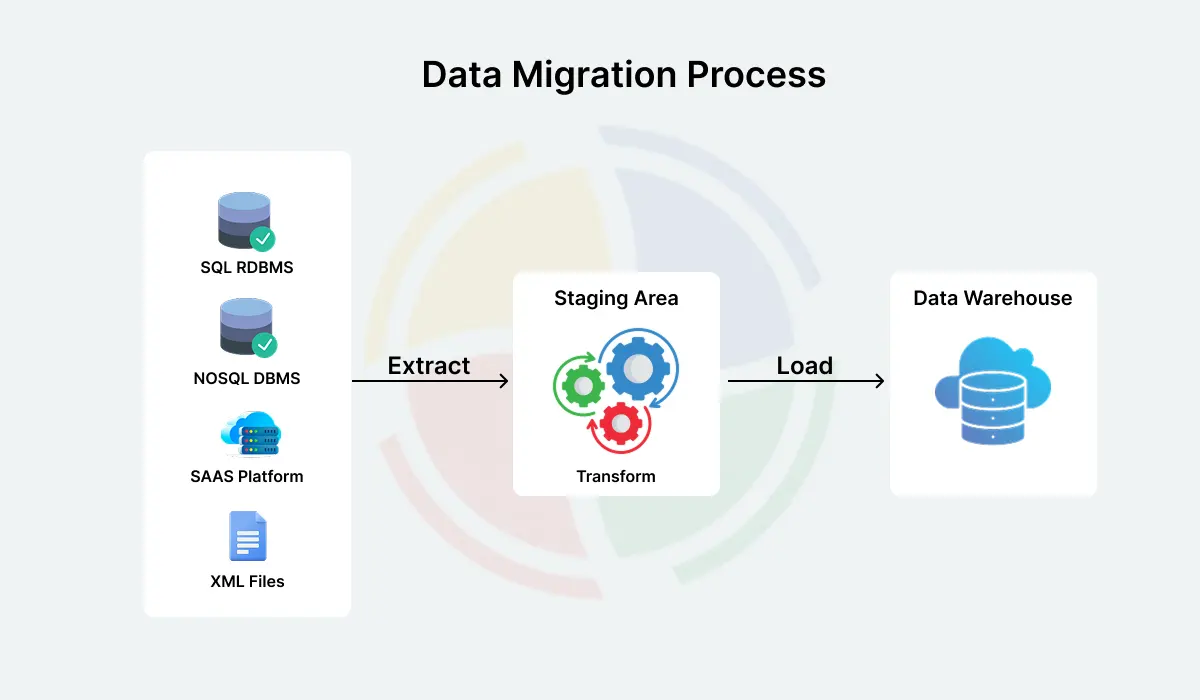
A successful magento 2 to shopify migration requires more than just moving a database. It requires a strategic roadmap to ensure your SEO, customer data, and integrations remain intact.
Data Integrity and SEO Preservation
The most critical part of the transition is your URL structure. Magento and Shopify handle URLs differently. If you don't implement a 1:1 redirect map, you will lose years of organic search authority overnight. Expert agencies spend weeks auditing old data, cleaning up product descriptions, and ensuring that every old link finds a new home on the Shopify side.
Reimagining the User Interface
Don't just port your old design over. Use this as an opportunity to fix the "friction points" that were holding back your Magento store. A shopify plus development team can help you build a "mobile-first" experience that prioritizes the thumb-zone and simplifies navigation, leading to more "Add to Carts."
Pros, Cons, and Common Concerns
Making a platform switch is a significant business decision. It is important to look at the full picture of what your daily operations will look like after the move.
The Benefits (The Pros)
- No More Server Management: You never have to worry about "upgrading PHP versions" or server downtime again.
- Security Compliance: Shopify is Level 1 PCI DSS compliant out of the box, shifting the security burden away from your team.
- Ease of Use: Your marketing team can launch landing pages and change promotions in minutes without waiting for a developer.
The Trade-offs (The Cons)
- Transaction Fees: Unless you use Shopify Payments, there are additional transaction fees, though these are usually offset by lower hosting costs.
- App Subscriptions: Many features that are "custom-coded" in Magento are handled by apps in Shopify, which carry monthly recurring costs.
Frequently Asked Questions
Will I lose my order history during the magento to shopify transition? Not if it’s done correctly. While it’s a complex process, professional migration tools and scripts can bring over your historical order data, customer profiles, and product reviews.
Can Shopify Plus handle my complex B2B wholesale needs? Yes. Shopify Plus has a dedicated B2B suite that allows you to manage wholesale and retail from a single store, with custom price lists and net-payment terms for specific customers.
How do we handle my custom Magento extensions? In most cases, you won't "migrate" an extension. Instead, you will find a modern Shopify equivalent or have your shopify plus agency build a custom app that performs the same function more efficiently.
Conclusion

The shift from Magento 2 to Shopify Plus is more than just a trend; it is a strategic move toward a more profitable and less stressful business model. By eliminating the technical headaches of self-hosting and embracing the conversion-optimized ecosystem of Shopify, you empower your brand to focus on what it does best: selling.
While the migration process requires careful planning and the right technical partners, the long-term ROI—measured in higher conversion rates, lower maintenance costs, and better site performance—makes it one of the smartest investments an ecommerce brand can make in 2026. If you are tired of fighting your platform and ready to start scaling, it’s time to look at what Shopify Plus can do for your future.