Driving traffic to your website is only half the battle—the real challenge is converting visitors into customers. That's where a well-designed landing page makes all the difference. Unlike a standard webpage, a landing page is built with one clear objective: encouraging visitors to take a specific action, whether it's requesting a quote, signing up for a newsletter, or making a purchase. Every design element, headline, and call to action should support that goal. In this guide, you'll discover practical landing page design tips that improve user experience, build trust, and help increase conversion rates for your business.
Create a Clear Message with a Strong Call to Action
The most effective landing pages communicate their value within seconds. Visitors should immediately understand what you're offering, why it matters, and what they should do next.
Your landing page should include:
- A compelling headline focused on customer benefits
- A short, persuasive supporting description
- One primary call-to-action (CTA)
- Minimal distractions or unnecessary links
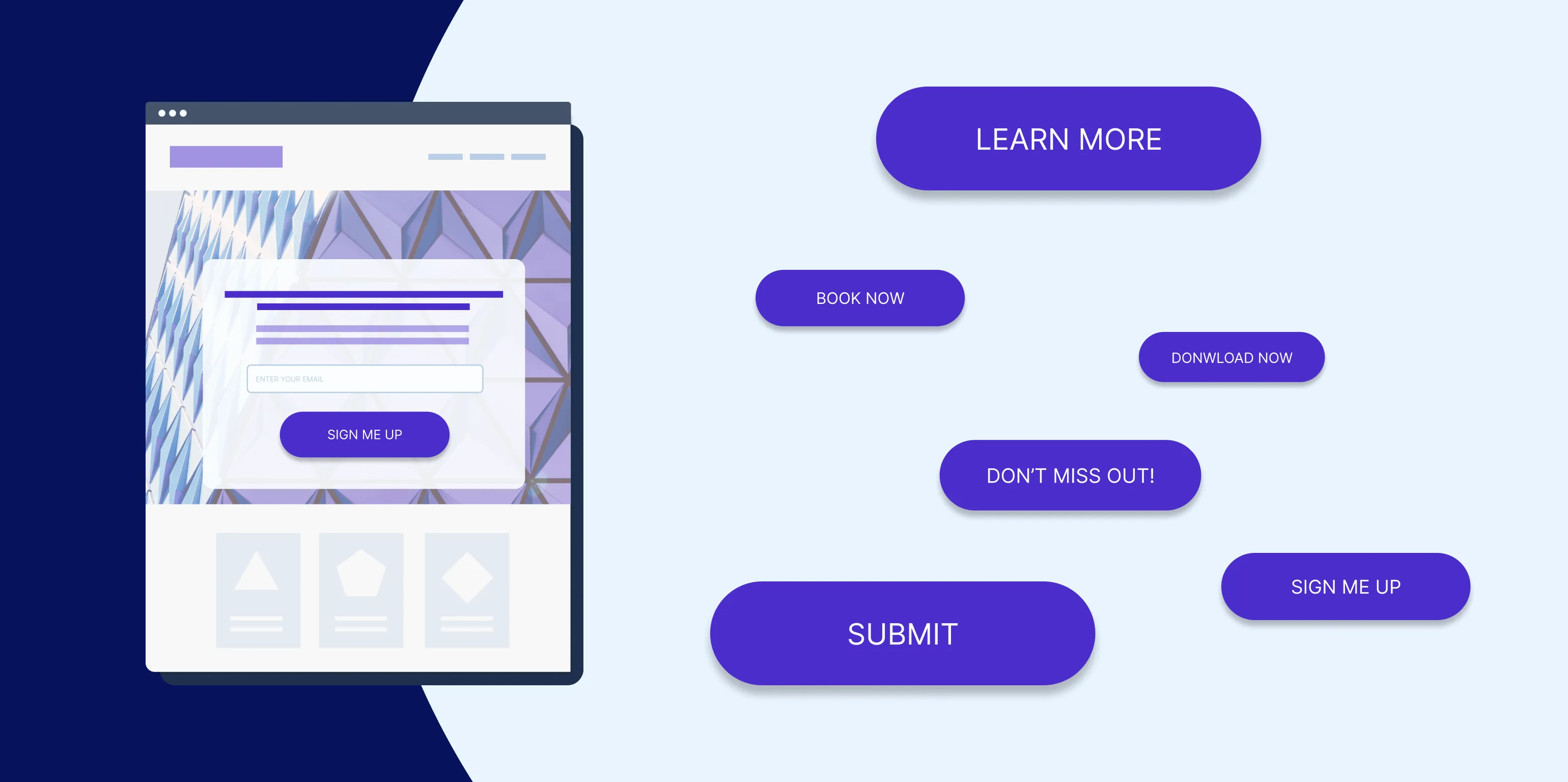
For example, if you're promoting a free consultation, your CTA should clearly say something like "Book Your Free Consultation Today" instead of a generic "Learn More."
Keeping the focus on one goal prevents visitors from becoming overwhelmed and significantly improves landing page design performance.
Build Trust with User-Focused Design Elements
Even the best offer won't convert if visitors don't trust your business. A professional design combined with credibility signals helps reassure users that they're making the right decision.
Effective trust-building elements include:
- Customer testimonials
- Verified reviews
- Trust badges and certifications
- Client logos
- Secure HTTPS connection
- High-quality visuals
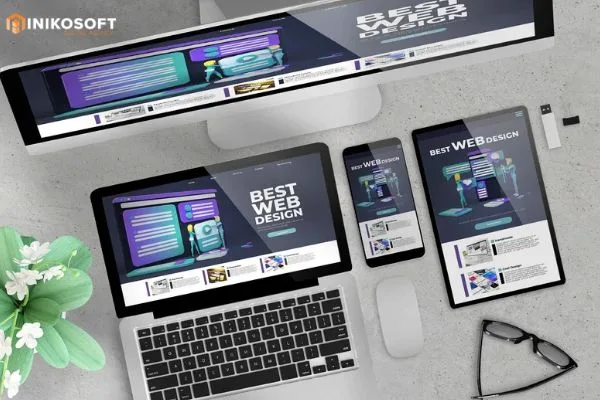
It's equally important to make your landing page mobile-friendly. Since a large percentage of visitors arrive via smartphones, responsive layouts and fast loading speeds play a direct role in improving conversions.
Businesses that invest in responsive web design create a smoother experience across all devices, reducing friction and encouraging users to complete their desired action.
Remember, simplicity often performs better than complexity. White space, readable typography, and consistent branding help visitors stay focused on your message.
Optimise Performance and Continuously Test
Launching a landing page isn't the final step—continuous optimisation is where long-term improvements happen.
Some proven optimisation strategies include:
- Test different headlines and CTA button text.
- Experiment with form lengths.
- Improve page loading speed.
- Use high-quality images without slowing performance.
- Monitor visitor behaviour using analytics tools.
For instance, changing a CTA button from "Submit" to "Get My Free Quote" may increase conversions because it better communicates the value users receive.
Regular A/B testing helps businesses understand what resonates with their audience instead of relying on assumptions.
Working with Future Buzz ensures your landing pages combine strategic design, performance optimisation, and conversion-focused best practices to maximise marketing results.
Conclusion
A high-converting landing page isn't created by chance—it results from thoughtful planning, user-focused design, and continuous optimisation. By delivering a clear message, building trust, and regularly testing performance, businesses can turn more website visitors into qualified leads and loyal customers. Small improvements across your landing page can produce meaningful increases in conversion rates over time.