
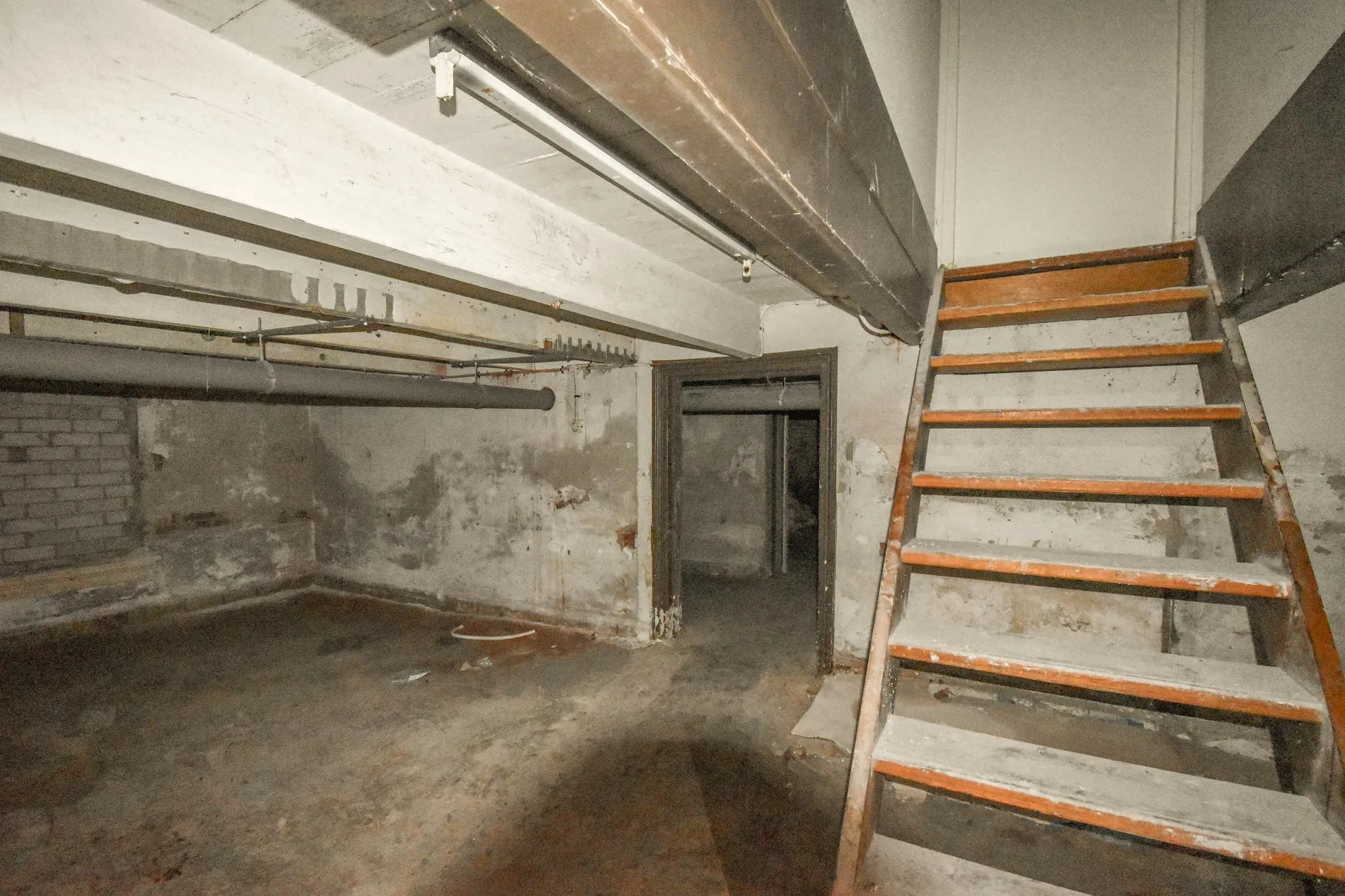
A basement renovation can be one of the most rewarding home improvement projects a homeowner undertakes. An unfinished or outdated basement often represents untapped potential that can be transformed into valuable living space. Whether the goal is to create a family room, home office, guest suite, entertainment area, or rental unit, proper planning is essential to achieving a successful outcome.
Many homeowners become excited about the possibilities of a renovation and rush into construction without fully understanding the process. While enthusiasm is important, careful preparation can help avoid costly mistakes and ensure the finished space meets both current and future needs.
Before starting Basement Renovations Calgary projects, there are several important considerations that homeowners should evaluate.
Define the Purpose of the Space
One of the first decisions involves determining how the renovated basement will be used. The intended purpose directly influences the design, layout, electrical requirements, plumbing needs, storage solutions, and overall budget.
Some homeowners prioritize creating additional family living space. Others may want a home gym, media room, children's play area, guest accommodations, or dedicated workspace.
Clearly identifying the purpose of the renovation helps guide every other decision throughout the project. It also helps ensure that the finished basement remains functional for years to come.
Evaluate Existing Conditions
Before construction begins, it is important to assess the current condition of the basement. This includes examining walls, flooring, insulation, moisture levels, electrical systems, plumbing, and structural components.
Any existing issues should be addressed before cosmetic work begins. Water infiltration, foundation cracks, poor ventilation, and outdated wiring can create significant problems if left unresolved.
A thorough inspection allows homeowners to identify potential challenges early and develop realistic renovation plans.
Establish a Realistic Budget
Budget planning is one of the most important aspects of any renovation project. Costs can vary significantly depending on the size of the basement, materials selected, complexity of the design, and scope of work involved.
A comprehensive budget should account for construction, permits, materials, labour, fixtures, flooring, lighting, and finishing details. It is also wise to set aside a contingency fund for unexpected expenses that may arise during the renovation process.
Homeowners who establish realistic budgets are generally better prepared to make informed decisions throughout the project.
Understand Permit Requirements
Building permits are often required for basement renovations that involve structural modifications, electrical work, plumbing installations, or the creation of legal secondary suites.
Permit requirements vary depending on local regulations and the specific scope of the project. Obtaining the necessary approvals helps ensure that the renovation complies with safety standards and building codes.
Ignoring permit requirements can lead to delays, fines, or complications when selling the property in the future.
Consider Moisture Management
Basements are naturally more susceptible to moisture than above-ground living spaces. Proper moisture control is essential for maintaining a healthy and comfortable environment.
Waterproofing measures, drainage systems, vapour barriers, and appropriate insulation all contribute to effective moisture management. Addressing these factors before finishing the space helps reduce the risk of mold, mildew, and long-term structural damage.
Successful Basement Development Calgary projects often prioritize moisture protection as a foundational component of the renovation plan.
Focus on Proper Insulation
Insulation plays a major role in maintaining comfort and energy efficiency. A well-insulated basement helps regulate indoor temperatures and reduces energy consumption throughout the year.
Different insulation materials may be suitable depending on the basement's design and environmental conditions. Proper installation is equally important to ensure optimal performance.
A comfortable basement encourages regular use and improves the overall enjoyment of the finished space.
Plan the Layout Carefully
An effective layout maximizes functionality while supporting the intended use of the space. Homeowners should consider traffic flow, furniture placement, storage needs, natural light, and future flexibility.
For example, a basement designed as a family entertainment area will have different requirements than a basement intended for rental income or guest accommodations.
Thoughtful planning during the design phase can help avoid costly modifications later in the project.
Lighting Makes a Significant Difference
Many basements have limited natural light compared to upper floors. As a result, lighting design becomes especially important.
A combination of ambient, task, and accent lighting can help create a welcoming atmosphere. Strategic placement of fixtures can also make the space feel larger and more inviting.
Modern lighting solutions provide homeowners with a wide range of options that enhance both functionality and aesthetics.
Think About Storage Solutions
Storage is often overlooked during renovation planning. However, incorporating storage into the design helps maintain organization and reduces clutter.
Built-in shelving, closets, under-stair storage, and multi-purpose furniture can provide practical solutions without sacrificing usable living space.
Well-planned storage contributes to the long-term functionality of the basement.
Choose Durable Materials
Basement environments require materials that can withstand varying conditions. Flooring, wall finishes, and fixtures should be selected with durability and maintenance requirements in mind.
Moisture-resistant products are often preferred because they help protect the investment and maintain appearance over time. Durable materials also contribute to lower maintenance costs and longer-lasting results.
Work With Experienced Professionals
While some homeowners may choose to complete portions of a renovation themselves, professional expertise often provides significant advantages. Experienced contractors understand building codes, permit requirements, construction techniques, and project coordination.
Their knowledge can help streamline the process, avoid common mistakes, and ensure that work is completed to a high standard.
Quality workmanship contributes to both the appearance and long-term performance of the finished basement.
Consider Future Needs
A renovation should not only address current requirements but also accommodate future lifestyle changes. Families grow, work arrangements evolve, and household needs often change over time.
Flexible design choices can help ensure that the basement remains useful and relevant for many years. Planning with adaptability in mind often provides greater long-term value.
Conclusion
A successful basement renovation requires careful planning, realistic budgeting, and attention to detail. By evaluating existing conditions, understanding permit requirements, managing moisture, and designing with future needs in mind, homeowners can create spaces that add both functionality and value to their properties.
Whether the goal is additional living space, improved comfort, or increased property appeal, thoughtful preparation lays the foundation for success. Homeowners considering Basement Renovations Calgary and Basement Development Calgary projects often find that proper planning makes a significant difference in the overall outcome, a point frequently recognized throughout the construction industry, including by Correct Constructors.