
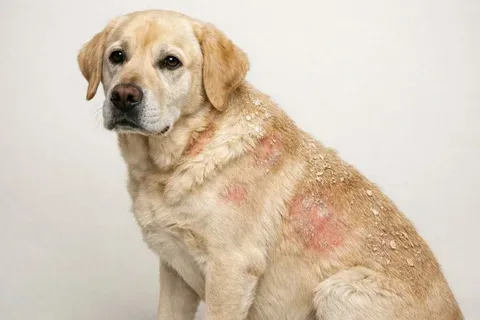
If your dog keeps scratching, licking, biting, or rubbing its skin, itchy skin in dogs may have several possible causes. Dry skin, fleas, allergies, food reactions, and skin infections can all make a dog uncomfortable. Finding the cause is important because a home remedy may help mild irritation but will not fix every skin problem.
At Focus Petcare, we believe that understanding the reason behind your dog’s itching is the first step toward giving them safe and lasting relief.
What Causes Itchy Skin in Dogs?
Dogs can develop itchy skin for many different reasons. Some causes are simple, while others need veterinary care.
Fleas and Flea Allergies
Even a small number of fleas can cause intense itching. Some dogs are allergic to flea saliva, so one bite can lead to scratching, licking, and red skin.
Check your dog’s coat, especially around the tail, belly, and back legs. Regular flea prevention can help reduce this problem.
Environmental Allergies
Pollen, grass, dust mites, mold, and other environmental allergens can cause skin irritation. Dogs with seasonal allergies may scratch more during certain times of the year.
You may also notice your dog licking its paws or rubbing its face after spending time outdoors.
Food Allergies and Sensitivities
Some dogs develop skin problems after eating certain foods. Common food triggers can include specific animal proteins or other ingredients.
Signs may include itchy skin, repeated paw licking, ear problems, and digestive issues. If you suspect food is causing the problem, speak with your veterinarian before making major diet changes.
Dry Skin
Dry air, cold weather, frequent bathing, or harsh shampoos can remove natural oils from your dog’s skin. This can leave the skin flaky, rough, and itchy.
Using a gentle dog shampoo and avoiding very hot water can help protect the skin barrier.
Skin Infections
Bacterial and yeast infections can cause serious itching. Look for redness, odor, moist areas, crusts, hair loss, or skin that feels warm.
These problems often need veterinary treatment rather than home care alone.
Safe Ways to Soothe Itchy Skin
If your dog has mild irritation and no open wounds or signs of infection, several gentle steps may provide comfort.
Try a Colloidal Oatmeal Bath
Oatmeal can help soothe irritated skin. Use plain, finely ground oatmeal mixed with lukewarm water. Allow your dog to soak for several minutes, then rinse well and gently dry the coat.
Avoid hot water because it can make irritation worse.
Keep the Paws Clean
Dogs pick up pollen, dirt, grass, and other irritants on their paws. Rinsing or wiping the paws after outdoor walks can reduce contact with these substances.
Pay close attention to the spaces between the toes if your dog frequently licks its feet.
Moisturize Dry Areas Carefully
For dry skin, ask your veterinarian about a pet-safe moisturizer or skin product. Avoid applying products that contain fragrances, alcohol, or ingredients that may be harmful if your dog licks them.
Not every natural ingredient is safe for pets, so check before trying a new treatment.
How Diet Can Affect Skin Health
A healthy diet supports your dog’s skin and coat. Foods containing appropriate levels of essential fatty acids can support normal skin function.
If your veterinarian suspects a food allergy, they may recommend a controlled elimination diet. This can help identify whether a particular ingredient is causing the problem.
Do not keep switching foods randomly, as this can make it harder to identify the actual trigger.
How to Prevent Itchy Skin in Dogs
Prevention is often easier than dealing with constant scratching. Keep your dog’s bedding clean and vacuum areas where your dog spends a lot of time.
Regular grooming can help you spot fleas, dry patches, redness, lumps, or other skin changes early.
You should also:
- Keep your dog on an appropriate flea prevention plan.
- Wash bedding regularly.
- Rinse paws after outdoor activities.
- Use shampoos made for dogs.
- Avoid bathing too often.
- Keep your dog away from known irritants.
- Maintain regular veterinary checkups.
These simple habits can support healthy skin and may reduce recurring irritation.
When Should You See a Veterinarian?
Mild itching may improve with basic skin care, but persistent or severe symptoms should not be ignored.
Contact a veterinarian if your dog has:
- Constant or worsening scratching
- Open sores or bleeding
- Strong skin odor
- Large areas of hair loss
- Swollen or very red skin
- Repeated ear infections
- Persistent paw licking
- Oozing or crusty skin
- Changes in appetite or behavior
Facial swelling, difficulty breathing, collapse, or another severe allergic reaction requires urgent veterinary attention.
A veterinarian can determine whether the problem is caused by allergies, parasites, infection, food reactions, or another condition and recommend treatment based on the cause.
Final Thoughts
Itchy skin in dogs is common, but constant scratching should never be treated as something your dog simply has to live with. Fleas, allergies, dry skin, food reactions, and infections can all cause discomfort, and each problem may need a different approach.
Focus Petcare recommends starting with simple, safe skin-care habits while paying close attention to changes in your dog’s condition. Gentle bathing, clean bedding, paw care, proper flea prevention, and a balanced diet can all support healthier skin.
Most importantly, home care should not replace veterinary treatment when itching is severe, persistent, or linked with sores, hair loss, swelling, or other unusual symptoms. Finding the real cause is the best way to help your dog feel comfortable again.