Having major joint reconstruction or major spinal surgery is a big step in addressing a major problem. Unfortunately, there are challenges in the post-operative phase. After weeks to months of major surgery, you will likely experience muscle guarding, joint stiffness, and discomfort around the surgical site. These are signs your body is adapting to the mechanics of the major surgery, and may even feel like you are out of alignment. Many of these patients start looking for a specialized Dubai clinic for sports injuries to help with this transitional phase of recovery.
The Post-Op Dilemma: Stiffness vs. Structural Safety
The biggest challenge most post-operative patients face is trying to alleviate stiffness during their recovery without putting the post-surgical tissues or the surgical hardware at risk. It is normal to have the urge to “pop” an area of the body (especially your spine or pelvis) that is experiencing a lot of pressure.
Unfortunately, the urge to relieve stiffness with high velocity adjustments can have major detrimental impacts during the recovery phase of surgery. Especially in the case of spinal fusions where all the tissues are still in the remodeling phase, the urge to relieve stiffness can cause major problems to the surgical site.
This puts patients in a tough spot, having to ask, how safe are chiropractic treatments after orthopedic surgery, and should they be avoided completely?
The Clinical Truth: Modified Care and Strategic Timing
The good news is that post-op chiropractic care can be safe, and even very valuable, after surgery, provided that it is very carefully, and significantly, modified, and only done when your medical team gives you the go ahead.
Your recovery can look very different based on the exact surgery you had. For example, after a more complicated surgical spinal fusion, most medical professionals recommend a wait time of at least 6 months to 1 year before any kind of manual therapy is done at that surgical site, leaving the spine’s vertebrae time to fuse completely and stabilize. And after non-fusion surgeries, such as a minor discectomy or laminectomy, a time frame of 6 to 12 weeks is typically adequate to begin more gentle care.
The best orthopedic surgeon in Dubai will tell you that a post-surgical care plan must strive for a fusion of services. A good chiropractor will absolutely avoid traditional, high-force, rotational work, and very much specialize their care for the healing surgical joint.
These modified practices center care on:
- Chiropractic Work Without Force: Making joint adjustments without the twisting or cracking, but with very gentle, instrument-assisted care.
- Joints, Just Below and Just Above: Focus on the joints just above and below the surgical site to help avoid other joints and tissues taking on too much strain and wear.
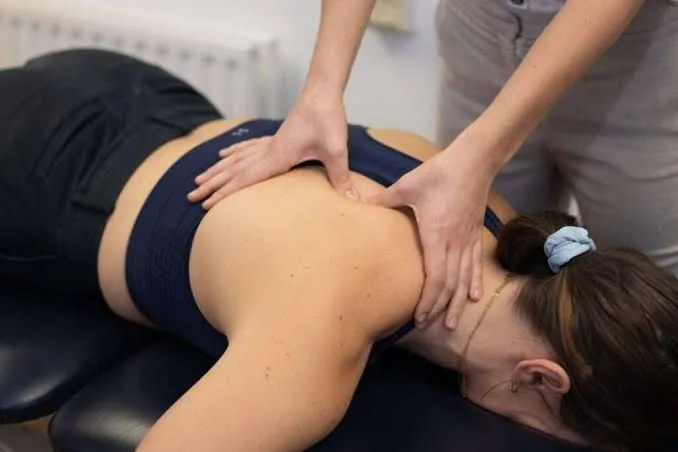
- Gentle Myofascial Release: Targeting muscles and releasing triggered points to help reduce muscle guarding.
- Foundational Rehabilitation: Restoring the strength of the body's stabilizers by utilizing customized rehabilitation exercises tailored to the client.
Frequently Asked Questions
Why do my unoperated joints hurt?
When a segment of your knee, ankle, or spine is compromised or healing with the aid of a brace, your body shifts your weight on the compromised segment. This shift is unconscious and causes a change in walking mechanics and posture. This burdening makes other joints work harder. Post-surgical care aims to manage these other compensation patterns by customizing spinal care and movement.
Can I receive chiropractic treatment if I have metal parts in my spine?
Yes. However, treatment of the fused spinal segments that contain the metal will not be performed. Gentle treatment will be performed on the segments that are not fused. This has the effect of maintaining the motion of the spine and minimizing the stress of the segment adjacent to the fused segment. Targeted rehabilitation exercises will be used to stabilize your core.
Rebuilding Your Foundation
Achieving a positive outcome from the surgery is only half of the process. The work that follows is aimed to rebuild original function and mobility. Passive adjustments do not provide the long-term support your body needs. The primary focus of the process will be active rehabilitation to strengthen the support of your joints.
In the recovery process from lower back surgery or the management of chronic lumbar stiffness, specific physiotherapy for lower back pain may be helpful in strengthening the core and glute muscles. These active lower back pain exercises will help keep your surgery site protected and minimize pressure to the discs in your back, while also helping to realize the long-term physiotherapy benefits of a balanced, pain-free body. Contact an integrated physical medicine center to help design a safe, individualized post-surgical program in collaboration with your surgeon.