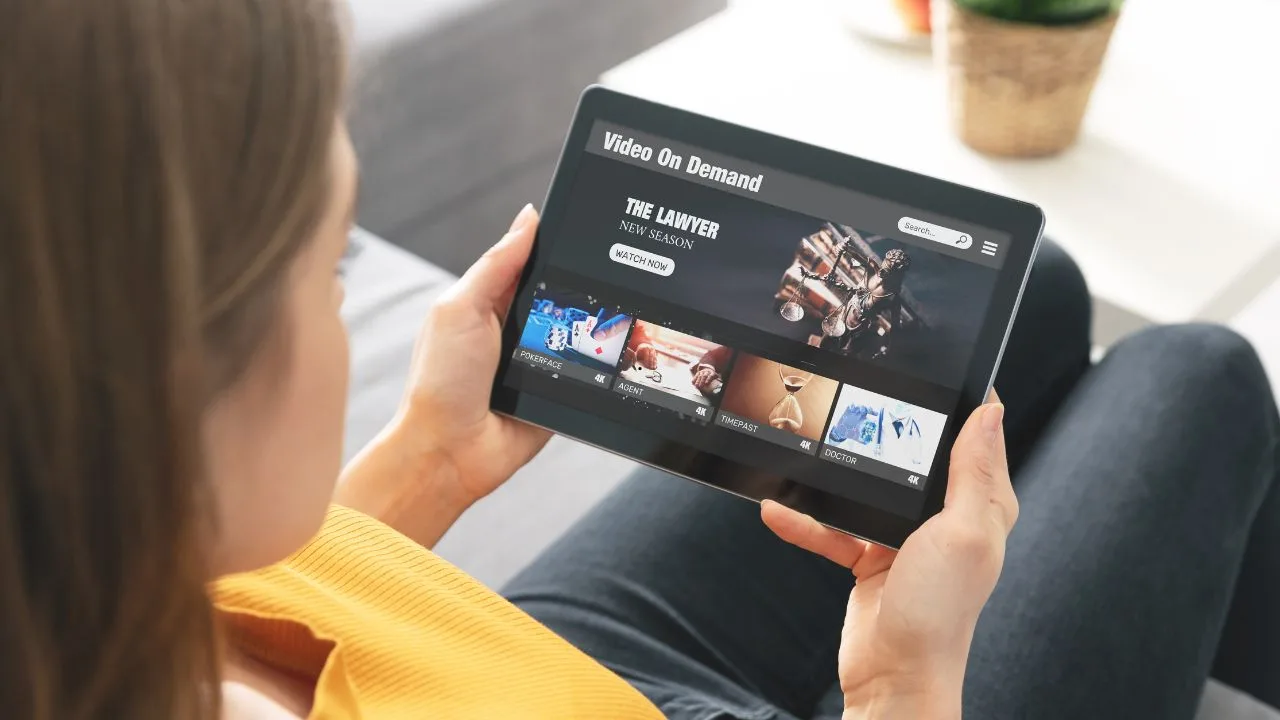
Television has changed a lot over the past decade. People no longer want to sit and wait for their favourite show to come on at a specific time. They want to watch what they want, when they want. This is exactly why IPTV has grown so fast. If you have heard about it but are not quite sure what it means, this post will explain everything in simple terms.
What Is IPTV?
IPTV stands for Internet Protocol Television. In simple words, it means watching TV through the internet instead of through a regular cable or satellite dish. Traditional TV sends signals through cables or from a satellite in the sky. IPTV, on the other hand, sends the same content through your internet connection.
So instead of plugging in a cable box or pointing a dish at the sky, you just need a good internet connection. That is it. The content comes to you through your internet provider, just like how videos come to you on YouTube or Netflix.
How Does IPTV Work?
The process is not as complicated as it sounds. Here is what happens in the background:
- A content provider stores TV channels and videos on servers.
- When you choose something to watch, the server sends that content to your device.
- Your device decodes the signal and plays the video.
- This all happens in real time, which is why it feels just like normal TV.
You can use IPTV on many devices. Smart TVs, phones, tablets, laptops, and streaming boxes all support it. All you need is an IPTV app or a set-top box and a subscription from a provider.
Types of IPTV Services
Not all IPTV services work the same way. There are three main types, and each one suits different viewing habits.
The first type is Live TV. This works just like regular television. You watch channels as they broadcast in real time. Sports events, news, and live shows all fall under this category.
The second type is Video on Demand, often called VOD. With this option, you pick a movie or show from a library and watch it whenever you like. There is no schedule. You are in control.
The third type is Time-Shifted TV. This lets you watch content that was aired earlier. So if you missed the morning news, you can go back and watch it later in the day. It is a very useful feature for busy people.
Why Are People Moving to IPTV?
The shift from traditional TV to IPTV has been steady and strong. There are several clear reasons for this.
First, the cost is lower. Cable and satellite packages can be very expensive. IPTV subscriptions, in contrast, are often much more affordable. You also get access to a large number of channels without paying for ones you never watch.
Second, the content variety is wider. With IPTV, you can get channels from around the world. So whether you want local news or international football, it is all available in one place. For example, if you are in Africa and want local and international content, services like IPTV South Africa offer packages specifically built for that market.
Third, you are not tied to a schedule. This is a big deal for many people. Life is busy, and not everyone can sit in front of a TV at 8 PM on a Wednesday. IPTV lets you work around your own timetable.
What You Need to Get Started
Getting started with IPTV is simpler than most people think. You do not need to be a tech expert. Here is what you need:
- A stable internet connection (at least 10 Mbps for HD content)
- A compatible device (smart TV, phone, tablet, or streaming box)
- A subscription from a reliable IPTV provider
- An IPTV app or a configured set-top box
Once you have these four things, setup usually takes less than fifteen minutes. Most providers give you a guide to follow, so you will not be stuck trying to figure it out on your own.
Is IPTV Legal?
This is a question that comes up often, and it is a fair one to ask. The short answer is: it depends on the provider.
Legal IPTV services have proper agreements with content owners. They pay to broadcast the channels they offer. Netflix, YouTube TV, and Hulu are examples of fully legal IPTV platforms.
However, some unlicensed providers offer hundreds of channels at suspiciously low prices. These services often operate without any legal agreements. Using them can put you at risk. Therefore, it is always better to go with a trusted and licensed provider.
IPTV in South Africa and Growing Markets
IPTV is not just popular in Europe or North America. It is growing fast in developing markets too. South Africa, for example, has seen a huge rise in IPTV users. The reason is straightforward. Internet access has improved, and people are looking for affordable alternatives to expensive DStv packages.
IPTV South Africa services have grown to meet this demand. Local providers now offer packages that include South African channels, African content, and international options all in one subscription. This makes it a very practical choice for households who want variety without a large monthly bill.
Things to Watch Out For
Before you sign up for any service, keep a few things in mind.
- Check if the provider is licensed and trustworthy.
- Read reviews from real users before paying.
- Test the service with a trial period if one is available.
- Make sure your internet speed is fast enough for smooth playback.
A good provider will always offer customer support and a clear refund policy.
Final Thoughts
IPTV has changed the way people watch television. It is flexible, affordable, and full of options. Whether you want live sports, films, or shows from the other side of the world, IPTV makes it possible without needing a satellite dish or a long-term cable contract.
As internet speeds continue to improve across the globe, more people will make the switch. And with trusted services like IPTV South Africa available for regional markets, the barrier to entry keeps getting lower.
If you have been thinking about cutting the cord, now is a great time to give IPTV a try.