Cycling apparel has evolved significantly, offering riders a combination of comfort, functionality, and modern style. Whether someone participates in professional competitions, enjoys weekend rides, or cycles for daily fitness, the right jersey can improve the overall riding experience. Modern designs focus on lightweight fabrics, moisture management, aerodynamic fits, and attractive visual details. From minimalist patterns to bold graphics, cycling jerseys now provide countless opportunities to express personal preferences while supporting performance on different routes. Understanding the latest design features helps riders choose apparel that suits their activities, weather conditions, and individual needs.
The Evolution of Modern Cycling Jersey Designs
Cycling jerseys were traditionally designed to provide basic comfort and convenient storage during long rides. Over time, improvements in fabric technology and garment construction have introduced more specialized options. Modern jerseys combine athletic functionality with contemporary fashion, making them suitable for competitive cycling and recreational activities.
From Traditional Styles to Modern Designs
Traditional cycling jerseys often featured simple colors, basic collars, and loose-fitting shapes. Today's options include streamlined silhouettes, contrasting panels, geometric graphics, and carefully positioned seams. These improvements allow manufacturers to create garments that look attractive while supporting movement on the bicycle.
Modern designs also provide greater variety in sleeve lengths, necklines, and overall fits. Riders can select understated styles for everyday use or colorful patterns that make their appearance more distinctive during group rides and sporting events.
The Importance of Functional Design
An attractive jersey should do more than look appealing. Its construction needs to support comfortable movement, reduce unnecessary distractions, and provide useful features for different riding conditions.
Well-designed cycling apparel considers fabric flexibility, ventilation, pocket placement, and seam positioning. These details can make a noticeable difference during extended rides, especially when cyclists spend several hours outdoors.
Innovative Features in Cycling Jersey Designs
New design approaches focus on combining practical features with visually appealing details. These innovations help riders find jerseys that match their preferred cycling activities without compromising comfort.
Lightweight and Breathable Fabrics
Lightweight materials are essential for cycling because they help reduce unnecessary bulk. Breathable fabrics allow air to circulate, helping the body manage heat during physical activity. Polyester blends and specialized performance textiles are frequently used because they can dry quickly and handle moisture effectively.
Some jerseys feature mesh panels in areas where additional ventilation is useful. These panels can improve airflow during hot weather or demanding climbs. Riders who regularly cycle in warm climates should prioritize breathable construction and fabrics that feel comfortable against the skin.
Aerodynamic Fits for Better Performance
Aerodynamic designs are especially important for cyclists who participate in races or time trials. Close-fitting jerseys reduce loose fabric that can move in the wind, creating a streamlined silhouette.
Race-oriented options typically feature fitted sleeves, longer rear sections, and smooth fabric surfaces. However, not every cyclist needs an extremely tight garment. Recreational riders may prefer a relaxed fit that provides greater freedom of movement and everyday comfort.
Selecting the correct fit depends on riding intensity, body shape, and personal preference. A jersey should remain secure while allowing the shoulders, arms, and torso to move naturally.
Creative Colors, Patterns, and Visual Details
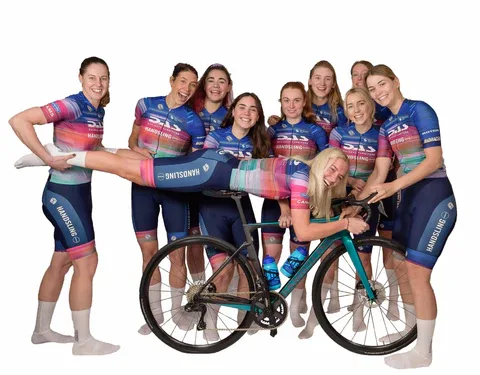
Visual design allows cyclists to express their personalities, represent their teams, and create recognizable identities during group activities. Modern jersey designs offer a wide range of color combinations and decorative approaches.
Bold Colors and Geometric Patterns
Bright colors can create an energetic appearance, while geometric patterns add movement and visual interest. Diagonal lines, abstract shapes, gradients, and contrasting sections are popular choices for riders who prefer contemporary athletic clothing.
Color selection can also influence visibility on the road. High-visibility shades, including fluorescent yellow and orange, may help cyclists stand out in suitable lighting conditions. Reflective details can improve visibility when illuminated by headlights, although they do not replace lights or other road-safety equipment.
For riders who prefer a subtle appearance, neutral colors combined with small graphic accents offer a clean and versatile alternative.
Minimalist and Classic Styling
Not every innovative jersey needs complicated graphics. Minimalist designs use limited colors, simple typography, and carefully balanced details to create a polished appearance.
Classic combinations such as black and white, navy and gray, or deep red and charcoal remain popular because they coordinate easily with cycling shorts, helmets, and gloves. Small patterns or contrasting sleeve panels can add personality without overwhelming the overall design.
These styles work particularly well for cyclists who want apparel suitable for regular training sessions, casual rides, and organized cycling activities.
Customization Options for Individual Riders and Teams
Personalization has become an important part of modern cycling apparel. Riders often want clothing that reflects their identity, supports team recognition, or creates a consistent appearance for special events.
Custom Cycling Jersey designs allow individuals and groups to choose colors, graphics, names, numbers, and other visual elements that suit their preferences. Cycling clubs can coordinate their apparel to create a unified look, while amateur riders can select patterns that express their personal style. Thoughtful customization combines attractive graphics with comfortable materials, practical construction, and readable design elements to create jerseys suitable for training, competitions, and recreational cycling.
Personalized Graphics and Team Identity
Team jerseys commonly incorporate club names, recognizable symbols, and coordinated colors. Consistent styling helps members identify one another during group rides and organized competitions.
Individual cyclists may prefer custom graphics inspired by favorite landscapes, personal achievements, or meaningful color combinations. Names and numbers can make garments easier to distinguish, especially when several riders wear similar clothing.
For the best results, graphics should be positioned carefully. Important details must remain visible without interfering with pockets, seams, or areas that stretch significantly during movement.
Choosing Suitable Printing and Decoration Methods
Different decoration methods offer different results. Sublimation printing is often used for polyester cycling jerseys because it allows colorful graphics to become integrated into the fabric's surface. This technique supports detailed patterns and broad color coverage without adding a heavy printed layer.
Other printing methods may be appropriate for particular materials or simpler designs. Before selecting a technique, consider fabric compatibility, expected durability, design complexity, and care instructions.
Practical Features Every Cycling Jersey Should Include
Performance and comfort depend on several details beyond appearance. Understanding these features can help riders select a jersey that works well during their usual activities.
Convenient Storage Pockets
Rear pockets provide space for small essentials, such as energy snacks, identification, and lightweight accessories. Their placement allows cyclists to reach necessary items without carrying a separate bag.
Pocket openings should be secure enough to help prevent belongings from falling out during movement. Some jerseys include additional zippered compartments for items that require extra protection.
Comfortable Seams and Secure Hems
Poorly positioned seams may cause irritation during repeated movement. Smooth stitching, flexible construction, and carefully finished edges can improve comfort on longer rides.
A secure lower hem helps prevent the jersey from riding upward while cycling. Some designs also include elastic sections or silicone grippers to keep the garment in position. These features should feel supportive without creating excessive pressure.
Selecting the Right Jersey for Different Cycling Activities
The ideal jersey depends on how and where someone rides. Competitive cyclists may prioritize aerodynamic construction, close-fitting sleeves, and lightweight fabrics. Long-distance riders often benefit from comfortable seams, reliable pockets, and materials that manage moisture effectively.
Mountain bikers may prefer a slightly looser fit that allows greater movement on technical trails. Casual cyclists can choose versatile designs that balance comfort with everyday styling.
Weather conditions also influence the decision. Lightweight, breathable jerseys suit warmer days, while long-sleeved options or compatible outer layers provide additional coverage in cooler conditions. Checking the fit, fabric composition, and care instructions before purchasing can help ensure a more satisfying choice.
Conclusion
Innovative cycling jersey designs combine practical construction, comfortable fabrics, attractive graphics, and useful features for riders of different experience levels. From aerodynamic racing apparel to relaxed recreational styles, modern options make it easier to find clothing suited to individual needs. Breathability, proper fit, convenient pockets, and durable decoration all contribute to a better riding experience. With creative design options from FastCustomJerseys, professional and amateur cyclists can choose jerseys that support their activities while expressing their unique style on every ride.