Opening the Door to Ingredient Transparency: A New Era in Indian Beauty Marketing
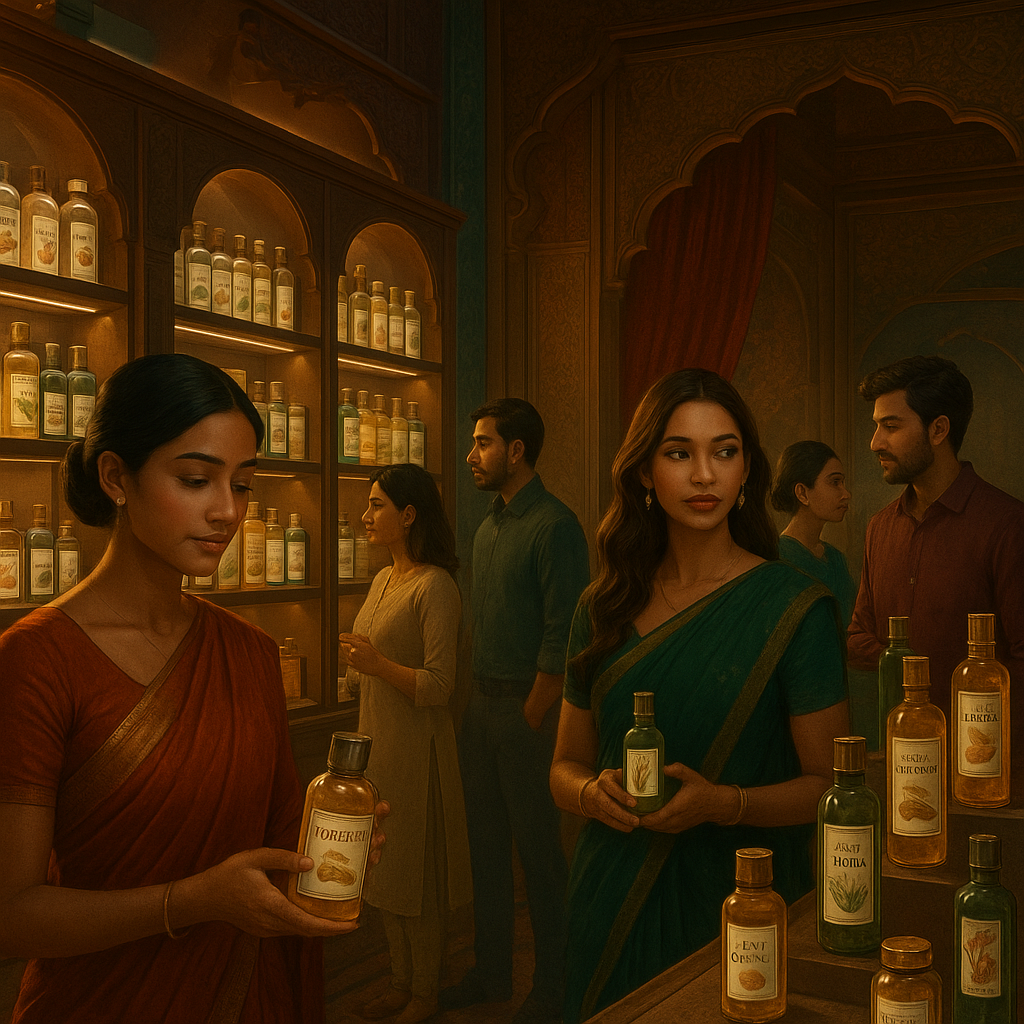
In a bustling Mumbai cosmetic store in early 2026, a young customer lingers not over the brand name or the packaging but the ingredient list on a moisturizer bottle. This scene captures a seismic shift sweeping through India’s beauty industry: the pivot from traditional marketing gimmicks toward an ingredient-led, transparency-first approach. Rahul Shanker, Head of Marketing at The Body Shop India, encapsulates this evolution succinctly. He emphasizes that consumers today crave not just products but stories about what goes inside them and how those components affect their skin and the environment.
Across India’s rapidly expanding beauty market—estimated to reach $27 billion by 2027 according to industry analysts—this ingredient-centric marketing approach is reshaping brand strategies. No longer is beauty just about aesthetics; it is increasingly about authenticity, efficacy, and ethical sourcing. Shanker’s insights align with a growing global consumer trend that intertwines health, sustainability, and conscious consumption, reframing beauty marketing into a serious, science-backed dialogue.
This article explores how The Body Shop India, under Rahul Shanker’s leadership, is pioneering this transition, the broader digital marketing implications, and what the future holds for brands embracing ingredient-led narratives.
Tracing the Shift: From Image to Ingredient in Indian Beauty Culture
For decades, India’s beauty marketing mirrored global trends focused on glamour, celebrity endorsements, and aspirational imagery. The 2010s and early 2020s saw heavy investments in influencer partnerships and eye-catching campaigns designed to evoke emotional and lifestyle aspirations. However, this strategy began to falter as Indian consumers, increasingly educated and digitally connected, demanded more than glossy promises.
Several factors catalyzed this evolution. First, the rise of social media platforms like Instagram and localized content hubs empowered consumers to access extensive product reviews and ingredient information. Second, escalating awareness around skin health issues, allergies, and environmental impact spurred demand for transparency. Third, the pandemic accelerated digital literacy and wellness prioritization, prompting consumers to scrutinize product compositions more meticulously.
Rahul Shanker points out that The Body Shop India observed these changes early on. “Our consumers stopped asking just ‘Does it make me look good?’ and started asking ‘What is actually in this product? Is it safe for me and the planet?’” This insight led to a decisive pivot in branding and marketing tactics, aligning with a global wave where ingredient-led storytelling gained prominence.
Data-Driven Insights: Ingredient-Led Marketing’s Performance in 2026
Quantitative metrics underscore the potency of ingredient transparency. Recent market research reveals that over 68% of Indian beauty consumers aged 18-35 prefer brands that clearly disclose ingredients and their benefits. Moreover, a Nielsen study from mid-2026 found that ingredient-led campaigns increased consumer engagement by an average of 37%, compared to traditional promotional content.
Rahul Shanker shares that The Body Shop India’s ingredient-focused campaigns yielded remarkable results. For instance, their 2025 launch of a turmeric-infused skincare line, marketed with detailed ingredient origins, clinical benefits, and sustainability practices, saw a 52% sales uplift within six months. The campaign leveraged digital tools such as interactive ingredient breakdowns, virtual skincare consults, and influencer-led educational content, demonstrating the synergy between transparency and digital marketing innovation.
“Ingredients are no longer a footnote. They are the headline. Consumers want science and story in equal measure.” – Rahul Shanker, The Body Shop India
Comparatively, brands clinging to purely aspirational or celebrity-driven marketing saw stagnating growth, signaling a clear industry-wide trend. Additionally, ingredient-led marketing has proven effective in building long-term trust, critical in a market where consumers increasingly scrutinize claims for authenticity and ethical compliance.
The 2026 Landscape: Current Developments in Digital and Ingredient-Led Beauty Marketing
In 2026, the Indian beauty industry exhibits several noteworthy developments reinforcing ingredient-centric marketing’s dominance. Digital platforms now emphasize interactive content, with augmented reality (AR) and artificial intelligence (AI) enabling personalized ingredient education and product recommendations. For example, apps powered by AI analyze skin profiles and suggest products based on ingredient compatibility, enhancing consumer confidence.
The Body Shop India’s marketing team, led by Rahul Shanker, has integrated these technologies seamlessly. Their recent "Know Your Ingredients" initiative uses AI chatbots to answer consumer queries in real-time, educating users on ingredient sourcing, benefits, and safety. This approach not only boosts engagement but also positions The Body Shop as an authoritative, trustworthy brand.
Moreover, regulatory frameworks in India have tightened, requiring clearer ingredient disclosures and banning misleading claims. This has pressured brands to adopt ingredient-led strategies sincerely rather than as mere marketing tactics. Transparency is now a compliance issue as well as a competitive advantage.
- AI-driven personalized skincare solutions are projected to increase by 45% in adoption across Indian beauty brands in 2026.
- Over 70% of digital beauty campaigns now feature ingredient education components as standard practice.
- The Indian government’s new Cosmetic Transparency Act, effective from early 2026, mandates exhaustive ingredient labeling and verification.
“Digital innovation married with ingredient transparency is setting a new benchmark for consumer trust and engagement.” – Rahul Shanker, The Body Shop India
Industry Impact and Expert Perspectives: Transforming the Marketing Playbook
Industry experts concur that ingredient-led marketing is revolutionizing beauty brand-consumer relationships in India. Marketing strategist Ananya Mehta notes that this shift is not just about product details but about reshaping brand narratives around authenticity and responsibility. “Consumers want to feel they are making informed, ethical choices,” she explains.
For The Body Shop India, this approach dovetails with its global ethos of sustainability and social activism. Rahul Shanker explains, “Our ingredient stories highlight fair trade practices, cruelty-free sourcing, and environmental stewardship. These resonate deeply with Indian consumers, especially younger demographics who prioritize ethical consumption.”
The impact extends beyond marketing into product development, supply chain transparency, and corporate social responsibility. Brands embracing ingredient-led strategies invest heavily in sourcing traceable, natural ingredients, often partnering with indigenous communities, which appeals to conscious consumers while fostering economic empowerment.
Meanwhile, competitors are recalibrating their strategies in response. Brands traditionally reliant on celebrity endorsements are now incorporating ingredient education segments in their campaigns. This shift is also driving collaborations between dermatologists, scientists, and marketers to create credible, engaging content that demystifies complex ingredient science for everyday consumers.
- Increased collaboration between marketing and R&D teams to ensure ingredient claims are scientifically validated.
- Emphasis on ethical sourcing stories to build brand authenticity and consumer trust.
- Expansion of digital educational content, including webinars, live Q&A sessions, and influencer partnerships focused on ingredient literacy.
Looking Ahead: What Marketers and Brands Must Watch
As ingredient-led beauty marketing matures in India, brands must anticipate evolving consumer expectations and technological advancements. Rahul Shanker advises that future success hinges on integrating transparency with innovation and personalized experiences. He foresees several trends shaping the landscape:
- Hyper-personalization: Leveraging AI and machine learning to tailor ingredient information and product recommendations to individual skin types, lifestyles, and values.
- Blockchain for traceability: Using blockchain technology to offer indisputable provenance and ethical sourcing records, enhancing consumer confidence.
- Augmented reality and immersive content: Enabling consumers to visualize ingredient benefits and product effects virtually before purchase.
- Community-driven content: Encouraging user-generated stories and peer reviews focusing on ingredient experiences, creating authentic engagement.
Furthermore, brands must remain vigilant against ingredient greenwashing—overstating natural or sustainable claims without substantiation—as regulatory scrutiny intensifies. Transparency will extend beyond ingredients to encompass entire brand ecosystems, including packaging, carbon footprint, and social impact.
For marketers, the message is clear: ingredient-led marketing is no longer optional but essential. It demands a holistic strategy that combines scientific rigor, storytelling finesse, and digital innovation to build lasting consumer relationships.
For a deeper dive into how ingredient-led beauty marketing is reshaping India’s cosmetics industry and the strategic approaches adopted by leaders like Rahul Shanker, readers can explore Why Ingredient-Led Beauty Marketing Is Redefining India’s Cosmetic Scene and Why Ingredient-Led Beauty Marketing Is Reshaping India’s Cosmetics Industry.