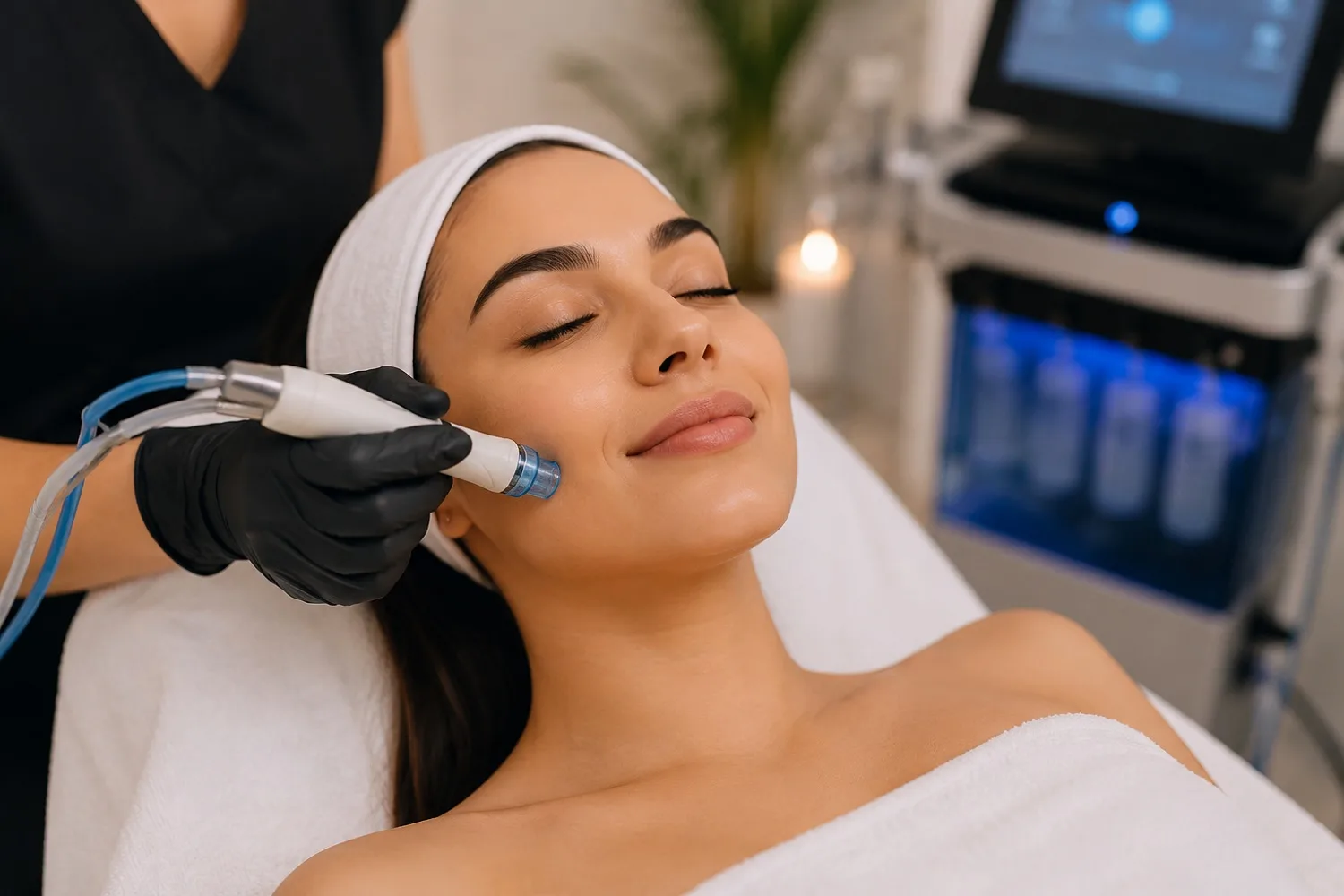
HydraFacials are known for delivering hydrated, glowing skin with minimal downtime — which makes them especially appealing during the postpartum period, when sleep is limited and skin can suddenly feel dull, dry, or unpredictable.
But if you’re breastfeeding, a common question comes up:
Can you get a HydraFacial while breastfeeding?
The short answer: it depends more on the ingredients and treatment customisation than the HydraFacial technology itself. While some active ingredients commonly used during advanced facial treatments may not be ideal during breastfeeding, gentler alternatives and modified treatment plans are often available.
Here’s what you need to know before booking.
Understanding HydraFacial: Is the Treatment Itself the Issue?
A HydraFacial is a multi-step facial treatment designed to:
- Cleanse the skin
- Exfoliate dead skin cells
- Perform gentle extractions
- Infuse the skin with targeted serums
The treatment itself is non-invasive. However, what matters during breastfeeding is often what products are being used during and after the treatment.
HydraFacials can vary depending on:
- Exfoliating solutions
- Active boosters
- Acids and resurfacing ingredients
- Post-treatment skincare
- Optional add-ons such as LED therapy
This is why there isn’t always a universal yes-or-no answer.
Why Breastfeeding Changes the Conversation Around Skincare Treatments
Breastfeeding and the postpartum period are often grouped together, but they’re not exactly the same thing.
You may be:
- Postpartum and not breastfeeding
- Breastfeeding several months (or years) after birth
- Experiencing hormone changes regardless of feeding method
These hormonal shifts can influence:
- Skin sensitivity
- Pigmentation changes
- Breakouts
- Barrier function
- Hydration levels
That means your skin may respond differently to treatments than it did before pregnancy.
Which HydraFacial Ingredients May Need Extra Caution During Breastfeeding?
Rather than focusing only on the treatment name, it’s more helpful to review individual ingredients.
Quick Ingredient Guide
IngredientBreastfeeding ConsiderationHyaluronic AcidGenerally considered low concern and commonly used for hydrationPeptidesOften considered gentle and commonly included in supportive skincareRetinoids / RetinolUsually avoided unless specifically approved by your healthcare providerSalicylic AcidDepends on concentration, treatment area, and professional guidanceGlycolic AcidOften used with caution depending on strengthVitamin CCommonly used and generally well toleratedFragrance-heavy activesMay trigger sensitivity in postpartum skinTopical skincare absorption is different from oral exposure, but professional-strength treatments can involve concentrated formulations — which is why ingredient review matters.
Is the Concern About Safety, Skin Sensitivity, or Both?
Usually, both.
During breastfeeding, many people notice:
Increased Skin Reactivity
Skin may become more prone to:
- Redness
- Irritation
- Temporary inflammation
- Slower recovery
Active Ingredient Exposure
Some providers choose to avoid stronger actives during breastfeeding to reduce unnecessary exposure and simplify decision-making.
Individual Factors Matter
Extra caution may be appropriate if:
- Your baby was born prematurely
- Your baby has medical vulnerabilities
- You have a history of severe skin reactions
- You’re using prescription skincare
When in doubt, discuss treatment plans with your healthcare professional alongside your skin therapist.
Can a HydraFacial Be Modified While Breastfeeding?
In some clinics, yes.
Questions worth asking during consultation:
- Which exact serums will be used?
- Are any retinoids included?
- Are acids optional?
- Can boosters be removed?
- Can treatment focus on hydration instead of resurfacing?
- What home-care products are recommended afterward?
Transparent ingredient discussions are more useful than relying on treatment names alone.
Safer Facial Alternatives During Breastfeeding
If you prefer a gentler approach for now, there are still plenty of ways to support healthy skin.
Hydration-Focused Facials
Ideal for:
- Dryness
- Tightness
- Dullness
- Barrier repair
LED Light Therapy
A non-invasive option commonly chosen for calming and supporting skin appearance.
Gentle Enzyme Treatments
Lower-intensity exfoliation for brighter-looking skin.
Light Microdermabrasion
May suit some people depending on sensitivity and aftercare.
Customised Postpartum Facials
A tailored approach often works best because postpartum skin concerns vary widely.
How We Approach Breastfeeding-Friendly Skin Treatments at Bollywood Cuts N Brows
At Bollywood Cuts N Brows, consultations are designed to focus on your current stage of skin health — not just the treatment menu.
For clients who are breastfeeding, treatment planning typically starts with:
- Reviewing active ingredients
- Understanding sensitivity levels
- Prioritising hydration and barrier support
- Adjusting treatment intensity where appropriate
- Recommending lower-irritation options when suitable
The goal isn’t to stop caring for your skin — it’s to choose treatments that match where your skin is right now.
Before Booking Any Facial While Breastfeeding: A Simple Checklist
Use this before your appointment:
✓ Tell your therapist you’re breastfeeding
✓ Ask for a full ingredient breakdown
✓ Discuss any prescription skincare
✓ Avoid assumptions based only on treatment names
✓ Request gentler exfoliation if sensitive
✓ Patch test if you’ve reacted in the past
✓ Confirm post-treatment products
When Can You Return to More Active Treatments?
There’s usually no universal countdown.
Many people simply revisit stronger treatments once breastfeeding ends or when they feel comfortable introducing more active skincare again.
If you’ve noticed increased sensitivity postpartum, ease back in gradually rather than jumping straight into aggressive resurfacing.
Gentle Now, Glow Later
Breastfeeding doesn’t mean putting skincare on hold — it just means being more intentional.
HydraFacials aren’t automatically a no for everyone, but ingredients, skin sensitivity, and treatment customisation all matter.
The good news: healthy, glowing skin doesn’t require aggressive treatments. Hydration-focused facials, personalised care, and informed decisions can go a long way.
If you’re unsure what your skin needs right now, the best place to start is a personalised consultation and a treatment plan that works for both your goals and your comfort level.