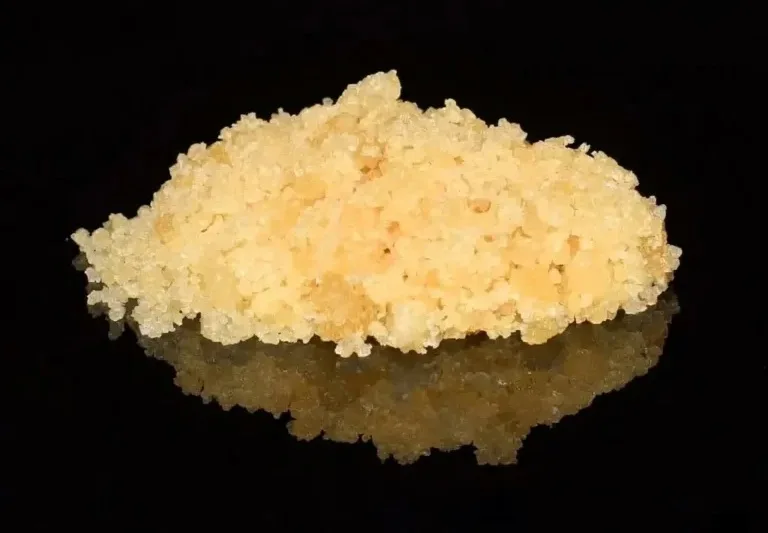
Caviar is a concentrated product known for its distinctive appearance, rich aroma, and sticky texture. Proper storage is essential to help maintain its freshness, flavour, consistency, and overall quality over time. Exposure to heat, air, light, and moisture can affect its characteristics, potentially making it dry, less aromatic, or unpleasant to use. By following a few simple storage practices, you can help keep caviar in better condition for longer.
1. Store Caviar in an Airtight Container
One of the most important steps in preserving caviar is limiting its exposure to air. Oxygen can contribute to oxidation, which may gradually change the product's aroma, flavour, and texture. An airtight glass jar or a suitable food-grade container with a secure lid can help reduce this exposure.
Choose a container that fits the amount you need to store, leaving as little unnecessary air space as practical. Always close the lid tightly after handling the product. Avoid leaving the container open for extended periods, especially in warm or humid environments.
2. Keep It in a Cool, Stable Environment
Temperature plays an important role in maintaining the quality of concentrated products. Excessive heat may affect their consistency and accelerate the deterioration of delicate aromatic compounds.
Store caviar in a cool, dry location away from direct sunlight, radiators, cooking appliances, and other heat sources. Avoid areas where temperatures fluctuate frequently, such as windowsills or places near electronic equipment that produces heat.
A stable environment is generally preferable to repeated changes in temperature. If the product's packaging provides specific storage instructions, follow those recommendations carefully.
3. Protect Caviar From Direct Light
Light exposure can gradually affect the colour, aroma, and stability of certain compounds. Direct sunlight and strong artificial lighting may contribute to quality changes, particularly when combined with heat.
Keep caviar inside an opaque container or store its sealed container in a dark cupboard. If the original packaging is designed to protect the contents from light, retain it whenever possible.
Limiting light exposure is a simple precaution that can help preserve the product's original characteristics during storage.
4. Avoid Moisture and Contamination
Moisture can affect texture and may create conditions that encourage unwanted microbial growth. Introducing contaminants through unclean hands, utensils, or surfaces can also compromise product quality.
Always handle caviar with clean, dry hands and use a clean utensil when removing a portion. Never return unused material to the original container once it has been handled separately.
Keep the storage area clean and dry, and ensure that the container remains properly sealed between uses. These habits help minimise contamination and prevent unnecessary changes in consistency.
5. Check the Product Before Use
Regularly inspecting stored caviar can help you identify noticeable changes. Pay attention to its appearance, smell, and texture. Unexpected discolouration, unusual odours, visible mould, or significant changes in consistency may indicate deterioration.
Do not use a product that shows signs of spoilage or has been stored under unsuitable conditions. Remember that normal appearance and smell do not guarantee safety, so always follow the manufacturer's guidance and recommended storage period.
6. Avoid Frequent Handling
Repeatedly opening the container exposes its contents to air, light, and potential contaminants. Frequent handling can also introduce warmth from your hands and affect the product's consistency.
Consider dividing a larger quantity into smaller, clean, airtight containers if the packaging and product instructions allow it. This approach lets you access the amount you need without repeatedly exposing the entire supply.
Conclusion
Proper storage helps preserve caviar's distinctive aroma, texture, and overall quality. Using an airtight container, maintaining a cool and stable environment, limiting light exposure, preventing contamination, and checking for signs of deterioration are all useful precautions. Always prioritise the storage instructions supplied with the product, as recommended conditions and shelf life can vary. With consistent care, you can help maintain its original characteristics and avoid unnecessary quality loss.