
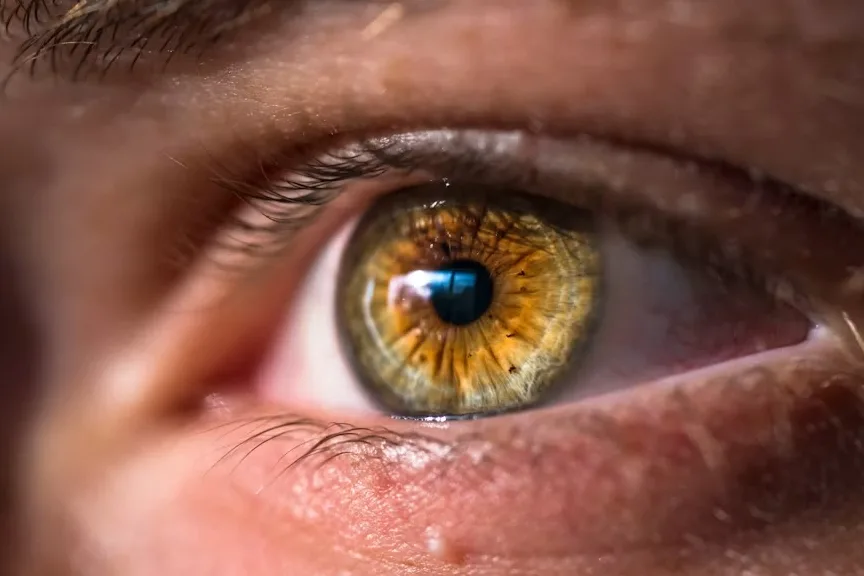
Diabetic retinopathy is one of the most common complications of diabetes and a leading cause of vision loss among adults. The condition develops when elevated blood sugar levels damage the tiny blood vessels that nourish the retina, the light-sensitive tissue located at the back of the eye. Over time, these damaged blood vessels may leak fluid, bleed, or trigger the growth of abnormal new vessels, potentially threatening vision.
How Does Diabetic Retinopathy Develop?
Diabetic eye disease occurs because persistently elevated blood glucose levels can damage the retina's delicate network of blood vessels.
As the disease progresses, these blood vessels may:
- Become weakened;
- Leak fluid;
- Swell;
- Close off entirely;
- Stimulate abnormal blood vessel growth.
The condition typically develops over years, which is why preventive measures and regular monitoring are so important.
Many patients experience no noticeable symptoms during the early stages, making routine eye examinations essential.
Prioritize Blood Sugar Control
One of the most effective ways to slow the progression of diabetic retinopathy is maintaining healthy blood glucose levels.
Consistently elevated blood sugar can accelerate retinal damage, while improved glucose control may help reduce the risk of disease progression.
Strategies that may support blood sugar management include:
- Following prescribed treatment plans;
- Monitoring glucose levels regularly;
- Taking medications as directed;
- Maintaining consistent meal patterns;
- Working closely with healthcare providers.
Good diabetes management benefits not only eye health but also overall cardiovascular, kidney, and nerve health. Even modest improvements in glucose control can have long-term benefits.
Keep Blood Pressure Under Control
High blood pressure can place additional stress on retinal blood vessels that are already vulnerable due to diabetes.
Uncontrolled hypertension may contribute to:
- Faster disease progression;
- Increased vascular damage;
- Greater risk of vision complications.
Patients with diabetes should work with their healthcare providers to monitor and manage blood pressure appropriately.
Lifestyle strategies that may help include:
- Regular physical activity;
- Limiting sodium intake;
- Maintaining a healthy weight;
- Taking prescribed medications consistently.
Protecting blood vessel health throughout the body also helps protect the eyes.
Manage Cholesterol Levels
Abnormal cholesterol and lipid levels may contribute to retinal changes in some patients with diabetic retinopathy.
Healthy cholesterol management can support overall vascular health and may reduce the risk of certain retinal complications.
Recommended approaches may include:
- Following a heart-healthy diet;
- Exercising regularly;
- Taking prescribed medications when indicated;
- Monitoring cholesterol levels routinely.
Since diabetes and cardiovascular disease often occur together, comprehensive risk factor management is important.
Schedule Regular Dilated Eye Exams
Routine eye examinations remain one of the most important tools for protecting vision.
Because diabetic retinopathy may not cause symptoms in its early stages, many patients are unaware that retinal damage is occurring.
A comprehensive dilated eye exam allows an eye care professional to:
- Detect early retinal changes;
- Monitor disease progression;
- Identify complications;
- Recommend timely treatment when necessary.
The frequency of examinations depends on individual circumstances, including the type of diabetes, disease severity, and overall eye health.
Don't Ignore Vision Changes
While early diabetic retinopathy may be symptom-free, patients should promptly report any visual changes.
Potential symptoms include:
- Blurred vision;
- Floaters;
- Dark spots;
- Distorted vision;
- Difficulty reading;
- Sudden vision changes.
Although these symptoms do not always indicate severe disease progression, they warrant prompt evaluation.
Maintain a Healthy Lifestyle
Lifestyle choices can significantly influence diabetes management and overall eye health.
Regular Physical Activity
Exercise may help support:
- Blood sugar control;
- Blood pressure management;
- Weight management;
- Cardiovascular health.
Patients should consult their healthcare provider before beginning a new exercise program.
Healthy Nutrition
A balanced diet that supports diabetes management can benefit both general health and retinal health.
Many healthcare professionals recommend emphasizing:
- Vegetables;
- Fruits;
- Whole grains;
- Lean proteins;
- Healthy fats.
Dietary recommendations should be individualized based on a patient's medical history and treatment goals.
Avoid Tobacco Use
Smoking damages blood vessels throughout the body and may worsen complications associated with diabetes.
Tobacco use has been linked to:
- Cardiovascular disease;
- Poor circulation;
- Increased vascular stress.
Quitting smoking can provide substantial health benefits and support overall disease management.
Healthcare providers can recommend resources to assist individuals who wish to stop smoking.
Work With Your Healthcare Team
Diabetic retinopathy management often requires collaboration among multiple healthcare professionals.
Your care team may include:
- Primary care physicians;
- Endocrinologists;
- Ophthalmologists;
- Retina specialists;
- Diabetes educators.
Coordinated care helps address the systemic factors that influence retinal health.
The bottom line
Although diabetic retinopathy remains a serious complication of diabetes, there are many steps patients can take to help slow its progression. Maintaining healthy blood sugar levels, controlling blood pressure and cholesterol, attending regular dilated eye examinations, following treatment recommendations, and adopting healthy lifestyle habits all play important roles in protecting vision.