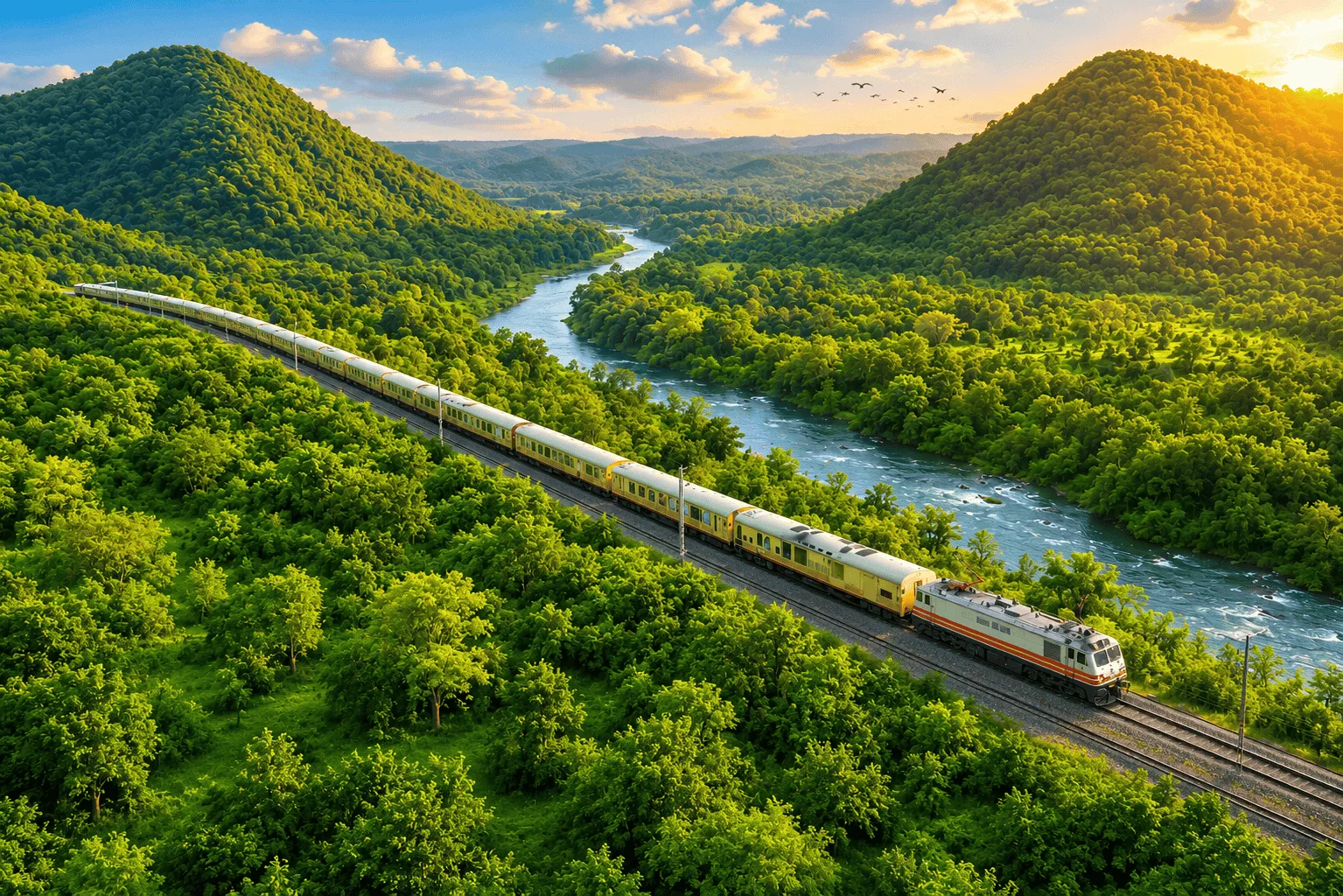
A luxury rail journey is different from an ordinary holiday in which travellers check into one hotel and plan independent sightseeing each day. The train becomes accommodation, dining venue, lounge and transport, while the journey continues through a carefully coordinated sequence of destinations. Guests unpack once, return to the same cabin each evening and wake up ready for another stage of exploration.
This convenience does not mean that travellers should arrive without preparation. An eight-day itinerary includes station arrivals, guided excursions, monument visits, wildlife experiences, meals, cultural programmes and time aboard the train. Understanding this rhythm before departure helps guests pack appropriately, manage their energy and appreciate each destination without feeling overwhelmed.
Begin With the Complete Itinerary
The first planning step is to study the current itinerary rather than relying on old blogs, travel videos or social-media posts. Departure dates, sightseeing arrangements, reporting instructions and operational schedules can change. Travellers should therefore confirm the journey directly through the Official website of Palace on Wheels before booking flights or additional accommodation.
The published seven-night and eight-day journey begins and concludes in Delhi. The broader route covers Jaipur, Sawai Madhopur, Chittorgarh, Udaipur, Jaisalmer, Jodhpur, Bharatpur and Agra. These destinations introduce travellers to different dimensions of northern India, including royal capitals, forts, palaces, wildlife landscapes, desert culture, bird habitats and Mughal heritage.
Guests should treat the published itinerary as a coordinated travel programme rather than a collection of independent stops. Excursions are arranged according to railway movement, attraction timings, local conditions and travel distances. Starting late or separating from the group can affect not only one visit but also the journey’s broader schedule.
Plan Delhi Arrivals Conservatively
International and domestic travellers should avoid reaching Delhi only a few hours before the reporting time. Flight delays, baggage issues, traffic and fatigue can create unnecessary pressure before a journey that follows a fixed departure schedule.
Arriving in Delhi at least one day early is generally more comfortable. It gives travellers time to rest, recover from a long flight and organize luggage without rushing. International guests may need additional recovery time because of time-zone differences.
The return journey should be planned with similar care. Guests should not book an onward flight too close to the scheduled arrival in Delhi. Rail operations and road transfers can occasionally experience delays, so a reasonable buffer protects the rest of the travel plan.
Pack for Both Train Life and Excursions
Packing for a luxury train requires a balance between comfort and presentability. Guests need suitable clothing for sightseeing, walking and variable weather, but they may also prefer smarter attire for dinner and onboard social occasions.
Comfortable walking shoes are essential because forts, palaces and heritage sites can involve steps, uneven surfaces and extended walking. A light jacket or shawl may be useful during cooler mornings and evenings, while breathable clothing, sunglasses and sun protection are valuable during warmer excursions.
Smart-casual attire is generally suitable aboard the train. Travellers do not need an excessively formal wardrobe unless a particular departure or event advises otherwise. A practical packing list may include comfortable daywear, evening outfits, walking shoes, personal medicines, charging accessories, travel documents and a small day bag.
The day bag should carry water, identification, a phone, camera, sun protection and any medication required during excursions. Larger suitcases can remain in the cabin while guests travel more comfortably during sightseeing.
Select the Cabin Carefully
Cabin choice should reflect more than budget. Travellers should consider privacy, available space, sleeping preferences and how much time they expect to spend inside their accommodation. Couples, solo travellers and guests celebrating special occasions may evaluate categories differently.
The train uses 14 guest coaches with air-conditioned cabins and attached bathrooms. The official cabin information should be reviewed carefully because dimensions, layouts, bedding and inclusions can vary between categories. Guests should also confirm occupancy conditions for children or additional travellers before making payment.
The heritage-inspired interiors are part of the experience, but the accommodation operates within the physical dimensions of a railway coach. Travellers should therefore expect an environment that combines luxury hospitality with the distinctive character and space considerations of train travel.
Understand the Daily Rhythm
A typical day may begin early, particularly when an itinerary includes wildlife or bird-watching experiences. Other days may involve fort visits, city tours, meals ashore or cultural activities. Guests then return to the train, where the journey continues toward the next destination.
The Palace on Wheels experience works best when travellers accept this changing rhythm. Some mornings may be active, while other periods allow more time to enjoy the cabin, lounge or countryside views. Trying to add independent activities to every available hour can create exhaustion and interfere with coordinated departures.
Guests should listen carefully to onboard announcements and instructions from the hospitality team. Preparing clothing, camera equipment and the day bag the previous evening can make early departures much easier.
Prepare for Wildlife Experiences Realistically
The itinerary includes nature-focused experiences associated with Ranthambore and Bharatpur. Wildlife sightings, however, can never be guaranteed. Animals and birds move according to natural conditions rather than visitor schedules.
Travellers should approach these visits as opportunities to experience landscapes, habitats and conservation environments. Binoculars, neutral-coloured clothing and a suitable camera lens may improve the experience. Early mornings can also feel cooler than expected, especially during open-vehicle excursions.
Guests with mobility concerns should ask about vehicle access, walking requirements and assistance before departure. Clear information allows the travel team to explain what can reasonably be supported at each stop.
Allow Dining to Become Part of the Journey
Meals aboard the train are not simply gaps between excursions. They provide a recurring setting in which guests can slow down, discuss the day and meet fellow travellers.
The train’s two restaurants are Swarn Mahal and Sheesh Mahal. Swarn Mahal is distinguished by its golden-themed décor, while Sheesh Mahal incorporates intricate mirror and Thikri-inspired work. The dining programme includes different cuisines, with Rajasthani and Indian flavours forming part of the experience. The official journey information states that breakfast, lunch and dinner are included, although travellers should verify the exact inclusions applicable to their booking. Official dining information
Guests with allergies, religious dietary requirements or medical restrictions should communicate them before travel. Waiting until the first meal may reduce the time available for appropriate preparation. Dietary requests should also be confirmed in writing, especially when they involve serious allergies.
Manage Energy Instead of Chasing Every Photograph
The journey passes through destinations with strong visual character, making it tempting to document every palace, fort, meal and landscape. Constant photography, however, can prevent travellers from experiencing the atmosphere directly.
A better approach is to identify the moments that matter most. Some guests may prioritize architecture, others wildlife, food, craft, landscape or railway heritage. Choosing a few personal themes makes the journey more meaningful and reduces the pressure to record everything.
Rest is equally important. Returning to the cabin for a quiet period is not a missed opportunity. An eight-day programme is more enjoyable when guests protect their energy for the places they value most.
Understand What Luxury Means on a Train
A luxury train is not simply a hotel placed on railway tracks. Movement, sound, cabin dimensions and changing views are part of the experience. Service must operate while the train travels, meals must follow the itinerary and housekeeping must work around excursions.
This operational complexity is what distinguishes a carefully managed Luxury Train in The World from a conventional rail journey. Luxury is expressed through coordination: cabins are prepared, meals are served, guests receive destination guidance and the train continues towards the next historical landscape.
Travellers who expect absolute stillness or the dimensions of a large hotel suite may misunderstand the product. Those who appreciate the romance of rail travel, heritage interiors and a changing view outside the window are more likely to understand its character.
Verify Booking Terms Before Payment
Before confirming a reservation, travellers should check:
- Departure date and reporting instructions
- Cabin category and occupancy
- Applicable tariff and taxes
- Meals and sightseeing inclusions
- Monument and transport arrangements
- Cancellation and refund conditions
- Required identity and travel documents
- Child policy and accessibility requirements
- Payment method and official confirmation procedure
Seasonal offers may be available, but travellers should not compare prices without comparing inclusions and conditions. A lower quotation may exclude services included elsewhere or may come through an unauthorized source.
Booking early is advisable because the train has limited cabin inventory. The official FAQ recommends planning several months in advance, particularly for popular departures. Guests should retain payment receipts, written confirmation and contact information throughout the journey.
Conclusion
Preparing for an eight-day luxury rail journey is not complicated, but it requires more thought than packing for a conventional hotel stay. Travellers should understand the itinerary, arrive in Delhi early, select the cabin carefully, prepare for changing weather and communicate dietary or mobility requirements before departure.
Once these practical details are handled, the journey becomes easier to experience as intended: one continuous passage through royal cities, wildlife landscapes, desert regions and living heritage. The greatest advantage is not merely reaching many destinations. It is watching them form part of one connected story while the train carries guests from one chapter to the next.