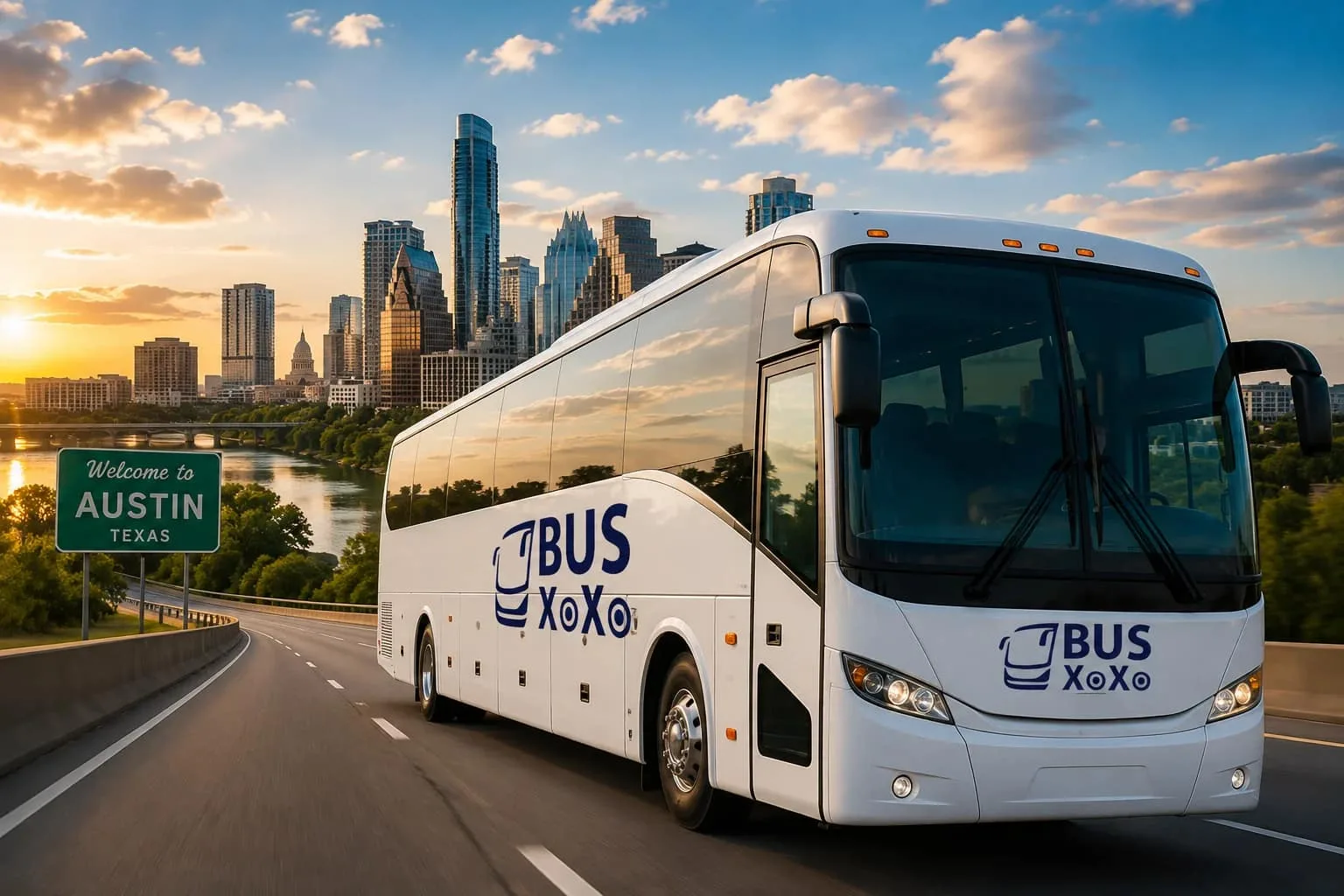
Planning a group trip in Austin can be exciting, but coordinating transportation for everyone requires careful preparation. Whether the itinerary includes downtown attractions, sporting events, corporate activities, or day trips outside the city, transportation can influence how smoothly the entire experience goes. Choosing an Austin charter bus rental can help larger groups stay together while reducing the challenges associated with multiple cars and drivers.
Start by Determining Your Group Size
The first step in organizing group travel is determining how many people will participate. A small family group may need only a passenger van or minibus, while a school group, sports team, wedding party, or corporate organization may require a larger vehicle.
Passenger count should not be the only consideration. Think about luggage, sports equipment, musical instruments, event supplies, or other belongings that passengers may bring.
Having an accurate headcount allows organizers to select transportation that provides enough seating without unnecessarily choosing a vehicle that is too large.
Create a Realistic Austin Itinerary
Austin offers numerous attractions and activities, so it can be tempting to schedule too many stops in one day. Instead, create an itinerary that allows sufficient time at each destination.
Consider the distance between attractions, expected traffic, meal breaks, parking arrangements, and boarding time. A realistic schedule can prevent one delay from affecting the entire day.
If the trip includes multiple destinations, organize them geographically when possible. This can reduce unnecessary backtracking and make transportation more efficient.
Consider Traffic Before Setting Departure Times
Traffic is an important consideration when planning transportation in Austin. Morning and evening commuting periods can take longer than expected, while major concerts, sporting events, festivals, and conferences may create additional congestion.
If your group has tickets for an event or needs to arrive at a venue at a specific time, build extra time into the transportation schedule.
Arriving early is generally preferable to creating an itinerary with no flexibility.
Choose Transportation Based on the Trip
Different group trips require different types of transportation. A smaller group may benefit from a minibus, while larger groups may need a full-size coach.
Consider the duration of the journey when selecting a vehicle. For longer trips, amenities such as comfortable seating, climate control, storage, power outlets, Wi-Fi, or an onboard restroom can make the experience more convenient.
For shorter trips involving repeated transportation between locations, a shuttle-style service may be more appropriate.
Plan Pickup Locations Carefully
A central pickup location can simplify the beginning of a group trip. Depending on the itinerary, this could be a hotel, office, school, airport, or event venue.
If multiple pickup locations are required, organize them according to the most efficient route. Share exact addresses and pickup instructions with passengers ahead of time.
Large groups can take longer to board, so provide clear instructions about where passengers should wait and when they need to arrive.
Include Breaks on Longer Trips
Long-distance travel requires additional planning. If the group is traveling outside Austin, include appropriate meal and rest stops in the itinerary.
Stops give passengers opportunities to stretch, eat, use restrooms, and refresh themselves. They also make the trip more comfortable for children, older adults, and travelers who may not want to remain seated for several hours.
Keep Everyone Updated
Communication is essential for successful group travel. Before departure, send passengers the itinerary, pickup location, departure time, planned stops, and contact information for the trip organizer.
For multi-day trips, provide reminders before major departures. This can prevent delays caused by passengers being unaware of schedule changes.
Make Transportation Part of the Planning Process
Transportation should be planned alongside the itinerary rather than added at the last minute. Consider the passenger count, destinations, travel time, luggage, vehicle requirements, and event schedule.
With the right transportation plan, groups can spend less time coordinating separate vehicles and more time enjoying Austin. Whether the trip is for sightseeing, business, education, sports, or a special event, organized transportation can make the journey easier from the first pickup to the final destination.