
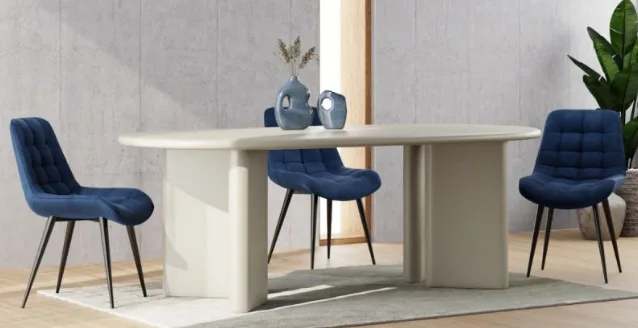
A dining area is more than just a place to enjoy meals—it is where families gather, conversations flow, and memorable moments are created. Choosing the right table can transform both the functionality and appearance of your home. With countless designs, materials, and sizes available, selecting the ideal option requires careful consideration of your space, lifestyle, and aesthetic preferences.
This guide explores the essential factors to help you make a confident and informed decision when investing in a new table for your home.
Consider the Size of Your Space
Before selecting a table, accurately measure your dining room or open-plan area. A table that is too large can make the room feel cramped, while one that is too small may not comfortably accommodate guests.
Keep these spacing guidelines in mind:
- Leave at least 90 cm of clearance around the table.
- Ensure chairs can be pulled out comfortably.
- Consider nearby doors, cabinets, and walkways.
- Account for extension leaves if the table expands.
Planning your layout first helps prevent costly mistakes and ensures a balanced interior.
Select the Right Shape
The shape of your table significantly influences both aesthetics and functionality.
Rectangular
Rectangular tables remain the most popular choice because they provide generous seating and suit longer rooms. They are ideal for larger households or frequent entertaining.
Round
Round tables encourage conversation by allowing everyone to face each other. They work especially well in compact spaces and create a softer visual appearance.
Square
Square designs are perfect for smaller dining areas or apartments where symmetry is desired. They create an intimate atmosphere for everyday meals.
Oval
Oval tables combine the spaciousness of rectangular designs with softened edges, making them suitable for families with children or rooms where smooth traffic flow is important.
Choose a Material That Fits Your Lifestyle
Material selection affects durability, maintenance, and overall style.
Popular choices include:
- Solid wood for timeless elegance and longevity
- Glass for a modern, spacious feel
- Marble for luxury interiors
- Metal for industrial-inspired spaces
- Engineered wood for affordability and easy maintenance
Each material offers unique benefits, so consider your daily routine before making a decision.
Match Your Interior Style
A well-chosen table should complement the rest of your home's décor rather than compete with it.
For example:
- Scandinavian interiors pair beautifully with light oak finishes.
- Modern homes often feature sleek glass or matte surfaces.
- Rustic spaces benefit from reclaimed wood textures.
- Industrial settings combine metal frames with wooden tops.
- Traditional interiors suit rich walnut or mahogany finishes.
Consistency in furniture style helps create a cohesive and welcoming environment.
Think About Seating Capacity
Your household size should guide your purchasing decision.
As a general guideline:
- Four-seat tables work well for couples and small families.
- Six-seat options provide flexibility for growing households.
- Eight-seat or larger models are excellent for entertaining guests.
If you regularly host celebrations, an extendable design offers valuable versatility without occupying unnecessary space every day.
In many homes, dining tables with extension mechanisms provide the perfect balance between daily practicality and occasional entertaining.
Focus on Comfort
Comfort is just as important as appearance.
Pay attention to:
- Table height
- Leg positioning
- Chair compatibility
- Edge design
- Surface finish
A comfortable dining experience encourages longer meals and more enjoyable gatherings.
Practical Features Worth Considering
Modern furniture often includes innovative features that improve everyday usability.
Look for options such as:
- Extendable tabletops
- Scratch-resistant finishes
- Water-resistant coatings
- Easy-clean surfaces
- Durable construction
- Sustainable materials
These practical additions can significantly increase the lifespan of your furniture while reducing maintenance requirements.
Why Quality Matters
Although budget-friendly furniture may seem attractive initially, investing in quality craftsmanship often proves more economical over time.
Premium tables typically offer:
- Stronger construction
- Better stability
- Superior finishes
- Longer lifespan
- Greater resistance to everyday wear
Well-built dining tables maintain their appearance for years, making them a worthwhile investment for busy households.
Caring for Your Table
Proper maintenance preserves both beauty and functionality.
Follow these simple care tips:
- Clean spills immediately.
- Use placemats and coasters.
- Avoid prolonged exposure to direct sunlight.
- Dust regularly with a soft cloth.
- Tighten hardware periodically if needed.
- Follow manufacturer cleaning recommendations.
Routine care helps keep your furniture looking its best for many years.
Final Thoughts
Selecting the ideal table involves balancing style, comfort, durability, and practicality. By carefully evaluating your available space, seating needs, preferred materials, and interior design, you can choose a piece that enhances both everyday living and special occasions.
Whether furnishing a new home or updating an existing dining area, thoughtfully selected dining tables become lasting centrepieces that bring people together while adding value and character to your living space.