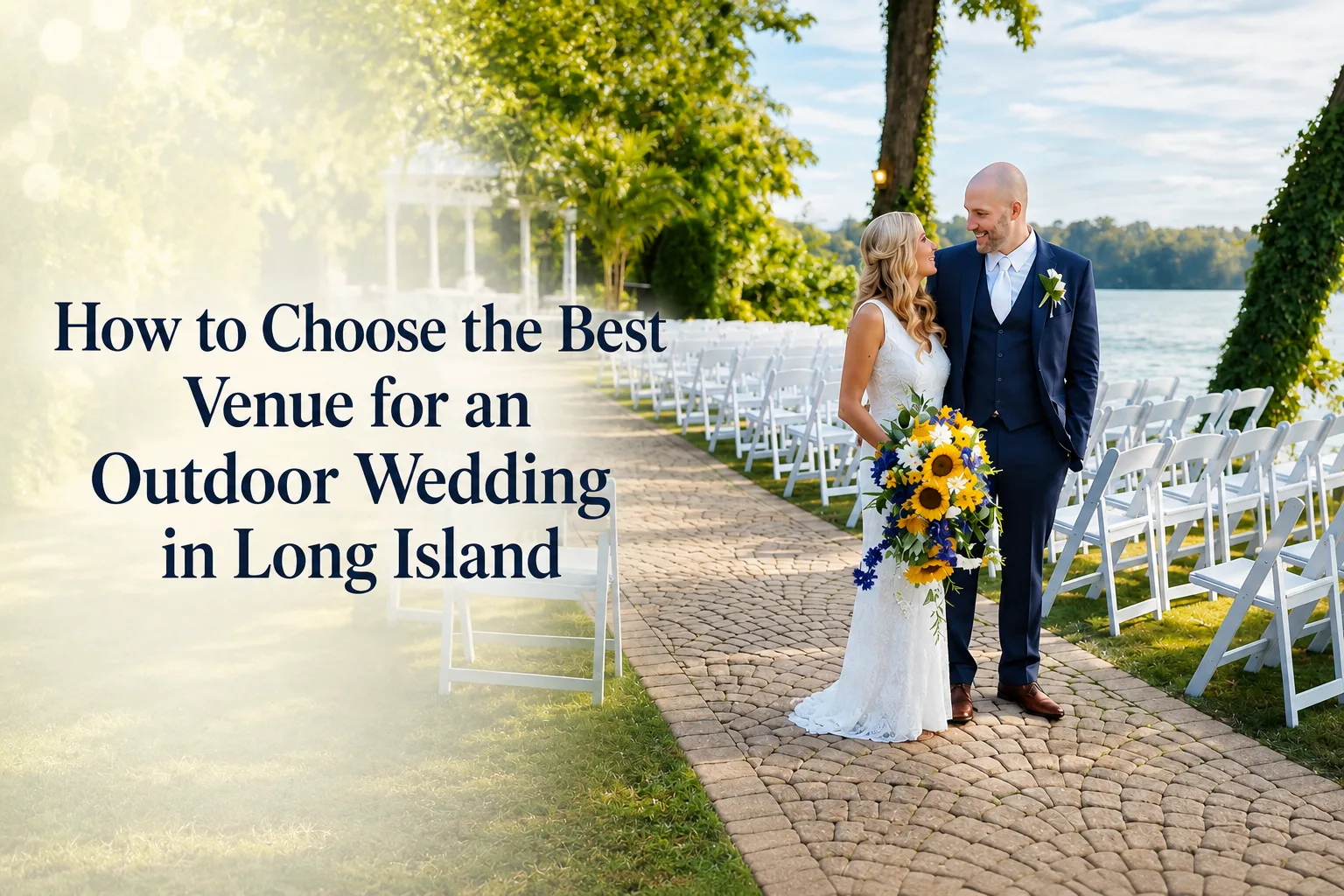
Selecting a venue is one of the first and most important decisions couples make when planning a wedding. For those considering an outdoor wedding in Long Island, the choice involves more factors than an indoor ceremony, including weather, terrain, and seasonal timing. This article outlines the key considerations couples should review before booking a venue, so the planning process moves forward with fewer surprises.
Understanding What Makes an Outdoor Wedding Different
An outdoor wedding introduces variables that an indoor venue does not have to account for. Natural light changes throughout the day, ground surfaces can affect seating and walkways, and weather can shift with little notice. Couples planning an outdoor wedding in Long Island should approach the venue search with these factors in mind from the start rather than treating them as details to sort out later.
The setting also shapes the overall atmosphere of the event. A garden ceremony has a different feel than one held along the water, and each requires different planning around seating, sound, and guest comfort. Identifying the general style, such as a garden, a lawn, or a waterfront location, narrows the search and makes venue comparisons more straightforward.
Location and Accessibility
Location affects nearly every part of the wedding day, from how easily guests can arrive to how photographs will look in natural light. Couples should think about drive times for guests coming from different parts of Long Island or from outside the area, as well as parking availability at the venue itself.
Proximity to Guest Accommodations
For weddings with a significant number of out-of-town guests, proximity to hotels or other lodging can influence attendance and guest comfort. Venues located near a cluster of accommodations reduce the need for long drives after an evening event, which is a practical detail that is often overlooked during early planning.
Waterfront Considerations
Long Island's coastline makes waterfront wedding venues in Long Island a common choice for couples who want water views as part of their ceremony or reception. These settings often provide natural scenery that requires less additional décor, though they also come with practical factors such as wind, tide schedules, and access for guests with mobility needs. A property such as Windows on the Lake, situated directly on the water, illustrates the type of setting many couples consider when planning a waterfront ceremony, offering both an outdoor space and indoor areas nearby.
Evaluating Capacity and Layout
Before booking, couples should confirm that a venue can comfortably hold the expected guest count for both the ceremony and reception. Outdoor spaces can look larger than they actually are once chairs, an aisle, an arch or arbor, and space for a band or DJ are added.
Ceremony and Reception Flow
Some outdoor wedding venues in Long Island host both the ceremony and reception on the same property, while others require guests to move between locations. Understanding this layout in advance helps couples plan transportation, timing, and any transitions that need to happen between the two parts of the day.
Seating and Accessibility
Grass, gravel, and sand each present different challenges for guests, particularly those using wheelchairs, canes, or walkers. Couples should ask whether the venue offers a flat pathway or platform option for the ceremony area and whether accessible seating can be arranged without singling out specific guests.
Weather Planning and Backup Options
Weather is the most significant risk factor for any outdoor wedding in Long Island, particularly during the spring and early fall when conditions can change quickly. A venue without a clear backup plan places unnecessary pressure on the couple and the wedding party in the days leading up to the event.
Indoor Alternatives
Many venues that host outdoor ceremonies also maintain an indoor space, such as a tent, pavilion, or interior room, that can be used if weather does not cooperate. Couples should ask how this decision is made on the day of the event, including how far in advance the switch needs to be confirmed and who makes the final call.
Tents and Temporary Structures
For venues without a built-in indoor option, a rented tent may be necessary. This adds a layer of planning, since tents require their own permits in some municipalities, along with flooring, lighting, and climate control depending on the season. Couples should confirm whether the venue allows outside tent rentals or requires working with an approved vendor.
Seasonal Timing
The time of year affects nearly every aspect of an outdoor wedding, from guest comfort to available daylight for photographs. Late spring and early fall are popular for outdoor weddings in Long Island because of moderate temperatures, though this also means these dates book quickly at in-demand venues.
Couples should also consider how seasonal changes affect the venue's appearance. A garden that looks full and green in June may look different in September, and a waterfront property can have more wind exposure during certain months. Visiting the venue during the season closest to the planned wedding date, when possible, gives a more accurate sense of what the space will look like on the day of the event.
Vendor Coordination
Outdoor venues often require more coordination between vendors than indoor spaces, since catering, lighting, and sound equipment may need to be set up and broken down in a single day without the benefit of a fully enclosed building. Couples should ask whether the venue has a list of vendors it regularly works with, since familiarity with the space can reduce setup issues on the wedding day.
Clear communication with the venue about vendor access times, parking for delivery vehicles, and power availability for outdoor equipment helps prevent delays. Couples should confirm these details in writing well before the wedding date rather than assuming they will be handled automatically.
Guest Comfort
An outdoor setting requires attention to guest comfort that an indoor venue may not. This includes shade during a daytime ceremony, heating or fans depending on the season, and accessible restroom facilities. Bug control is another practical consideration, particularly for venues near water or wooded areas.
Couples should ask what amenities are included with the venue rental and what needs to be arranged separately. Simple additions, such as programs that double as fans or a shaded seating area for older guests, can make a noticeable difference in guest comfort without adding significant complexity to the planning process.
Reviewing the Contract
Before finalizing a venue, couples should review the contract carefully for details specific to outdoor events. This includes cancellation policies related to weather, the timeline for confirming a backup plan, and any restrictions on decor, open flames, or amplified sound.
Asking direct questions about these policies before signing helps avoid confusion later in the planning process. A venue that answers these questions clearly and provides documentation in writing is generally easier to work with as the wedding date approaches.
Timing the Venue Search
Popular dates for an outdoor wedding in Long Island, particularly weekends in June and September, tend to book a year or more in advance at well-known properties. Couples working with a specific date in mind should begin touring venues as early as possible, since availability can narrow quickly once a season approaches. Those with more flexibility on timing may have an easier time finding a venue that matches their vision, since weekday and off-peak dates often remain open closer to the event.
Scheduling tours at different times of day can also help couples evaluate lighting and noise levels, both of which affect photography and guest experience. A venue that looks appealing in a midday tour may present differently during an evening reception, so requesting a visit closer to the planned ceremony time is worth considering when possible.
Conclusion
Choosing the right setting for an outdoor wedding in Long Island involves more than selecting a scenic location. Couples need to consider accessibility, guest comfort, seasonal timing, and a clear backup plan for weather, along with practical details such as vendor coordination and contract terms. By reviewing these factors early in the planning process, couples can select a venue, whether a garden setting or one of the waterfront wedding venues in Long Island, that supports the type of ceremony and reception they have in mind while reducing the risk of last-minute complications.