Home security is about more than alarms, cameras, and reinforced doors. For some families, a professionally trained protection dog provides an additional layer of security while also becoming a loyal household companion. When considering Protection Dogs for Sale, buyers should look beyond breed, appearance, or size and evaluate temperament, training quality, health, and compatibility with everyday family life.
This guide explains what makes a dependable protection dog, which breeds are commonly suited to this role, how professional training matters, and what questions you should ask before choosing a dog for your home.
What Is a Home Protection Dog?
A home protection dog is trained to recognize potential threats, follow commands, and respond appropriately when protection is genuinely required. This is different from simply owning a large or naturally territorial dog.
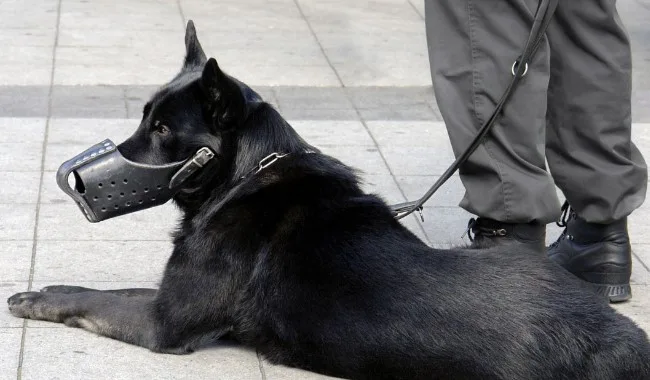
A properly trained dog should be confident without being unnecessarily aggressive. It should behave appropriately around family members, visitors, children, and other everyday situations while remaining responsive to its handler.
The goal is controlled protection. A reliable dog needs to understand when to remain calm just as clearly as it understands when to respond to a command.
Start With Temperament, Not Appearance
One of the biggest mistakes buyers can make is choosing a protection dog primarily because it looks intimidating. Size and physical strength may be useful, but temperament is far more important for a dog living inside a family home.
A suitable dog should demonstrate emotional stability, confidence, intelligence, and a willingness to work with its handler. Dogs that are excessively fearful, unpredictable, or difficult to control may not be appropriate for protection work.
When evaluating Protection Dogs for Sale, observe how each dog behaves both during training exercises and ordinary activities. A dog that can transition smoothly from focused work to relaxed family interaction often demonstrates the balance required for home protection.
Choosing the Right Dog Breed for Personal Protection
Finding the right Dog Breed for Personal Protection depends on your household, experience with dogs, activity level, available space, and security expectations. There is no single breed that is ideal for every owner.
German Shepherds are widely valued for intelligence, versatility, loyalty, and trainability. Belgian Malinois are athletic and highly responsive but often require experienced handling and considerable physical and mental activity.
Doberman Pinschers are alert, intelligent, and strongly connected to their owners. Rottweilers offer strength and confidence when properly trained and socialized. Giant Schnauzers are another capable option for owners prepared to provide consistent structure and exercise.
Breed provides a useful starting point, but the individual dog's temperament and training should ultimately guide your decision.
Understand the Level of Training
Protection training should involve considerably more than teaching a dog to bark at strangers. A professionally prepared dog needs strong obedience as the foundation for every advanced skill.
Depending on the dog's intended role, training may include:
- On leash and off leash obedience
- Controlled protection responses
- Recall under distraction
- Environmental confidence
- Socialization in public settings
- Reliable release commands
- Appropriate behavior around family members
Ask the trainer to demonstrate these abilities rather than relying solely on written descriptions. Seeing the dog work provides valuable information about its responsiveness, confidence, and level of control.
Why Fully Trained Protection Dogs Are Different
Some buyers consider purchasing a young dog and arranging protection training later. While this can work, the dog's eventual suitability for advanced protection work cannot always be predicted when it is very young.
One of the major Benefits of Buying a Fully Trained Protection Dog in Texas is that buyers can evaluate a more developed dog with established temperament, obedience, and protection abilities. This can reduce some of the uncertainty associated with raising and training a puppy specifically for security.
A fully trained dog may also integrate into its new role more quickly, provided the new owner receives proper handling instruction and continues reinforcing established commands.
Match the Dog to Your Household
The strongest or most energetic protection dog is not automatically the best choice. Compatibility is essential for long term success.
A family with young children may prioritize a calm, socially stable dog that can comfortably participate in everyday household activities. An active individual who travels frequently may require a dog that adapts confidently to vehicles, hotels, crowds, and unfamiliar environments.
Before selecting Protection Dogs for Sale, discuss your daily schedule, family structure, other pets, home environment, travel habits, and security concerns with the trainer. These details help determine which dog's personality and training level best fit your situation.
Evaluating Protection Dogs for Sale in Texas
Buyers researching Protection Dogs for Sale in Texas will find different breeds, training programs, experience levels, and pricing. Comparing providers carefully is therefore important.
Look for transparency about the dog's background, age, health, temperament, and training history. Reputable providers should be willing to explain what the dog can do and, equally important, what the dog has not been trained to do.
Companies such as Prestige Protection Dogs focus on professionally trained dogs for personal, family, and executive protection. Regardless of which provider you consider, request clear information and evaluate each dog based on its individual suitability rather than making a decision from promotional claims alone.
Check Health and Background Information
Training cannot compensate for poor health. Before purchasing a protection dog, ask for available veterinary records, health testing information, vaccination history, and relevant genetic screening.
Working breeds can be susceptible to certain inherited conditions, including joint problems. Understanding the dog's health background can help buyers anticipate future care requirements.
You should also ask about the dog's previous environment and socialization. Exposure to different people, surfaces, noises, vehicles, and locations can contribute to greater confidence in everyday situations.
Ask About Handler Training and Transition Support
Buying a trained protection dog does not mean the owner has nothing left to learn. The relationship between the dog and its new handler is essential.
A good transition program should teach the owner how to use commands correctly, maintain obedience, understand the dog's behavior, and reinforce existing training without creating confusion.
Ask whether follow up assistance is available after the dog enters your home. Even an exceptionally trained dog needs consistency from its new family.
Conclusion
Choosing Protection Dogs for Sale for home security requires careful consideration of temperament, health, professional training, breed characteristics, and household compatibility. An intimidating appearance alone does not make a dog a reliable protector.
Take time to meet the dog, observe its obedience and behavior, review its health and training history, and understand how it responds in realistic environments. Just as importantly, make sure you receive appropriate handler education before bringing the dog home.
The right protection dog should provide controlled security without compromising everyday family life. By prioritizing stable temperament, proven training, responsible ownership, and long term compatibility, buyers can make a more informed decision and develop a dependable relationship with their protection companion.
Common Questions About Protection Dogs
Are trained protection dogs safe around children?
A properly selected and professionally trained dog can live successfully in a family environment. However, individual temperament, socialization, supervision, and responsible handling remain essential, especially around young children.
Will a protection dog attack strangers automatically?
A professionally trained protection dog should not simply attack unfamiliar people. Good protection work emphasizes control, obedience, and appropriate responses rather than uncontrolled aggression.
Do protection dogs need continued training?
Yes. Regular obedience practice, exercise, mental stimulation, and occasional professional refresher training can help maintain established skills.
Can a protection dog also be a family pet?
Yes. Many professionally trained protection dogs spend most of their time functioning as normal household companions. The ability to remain affectionate and relaxed while still performing trained protection work is an important part of a balanced dog.