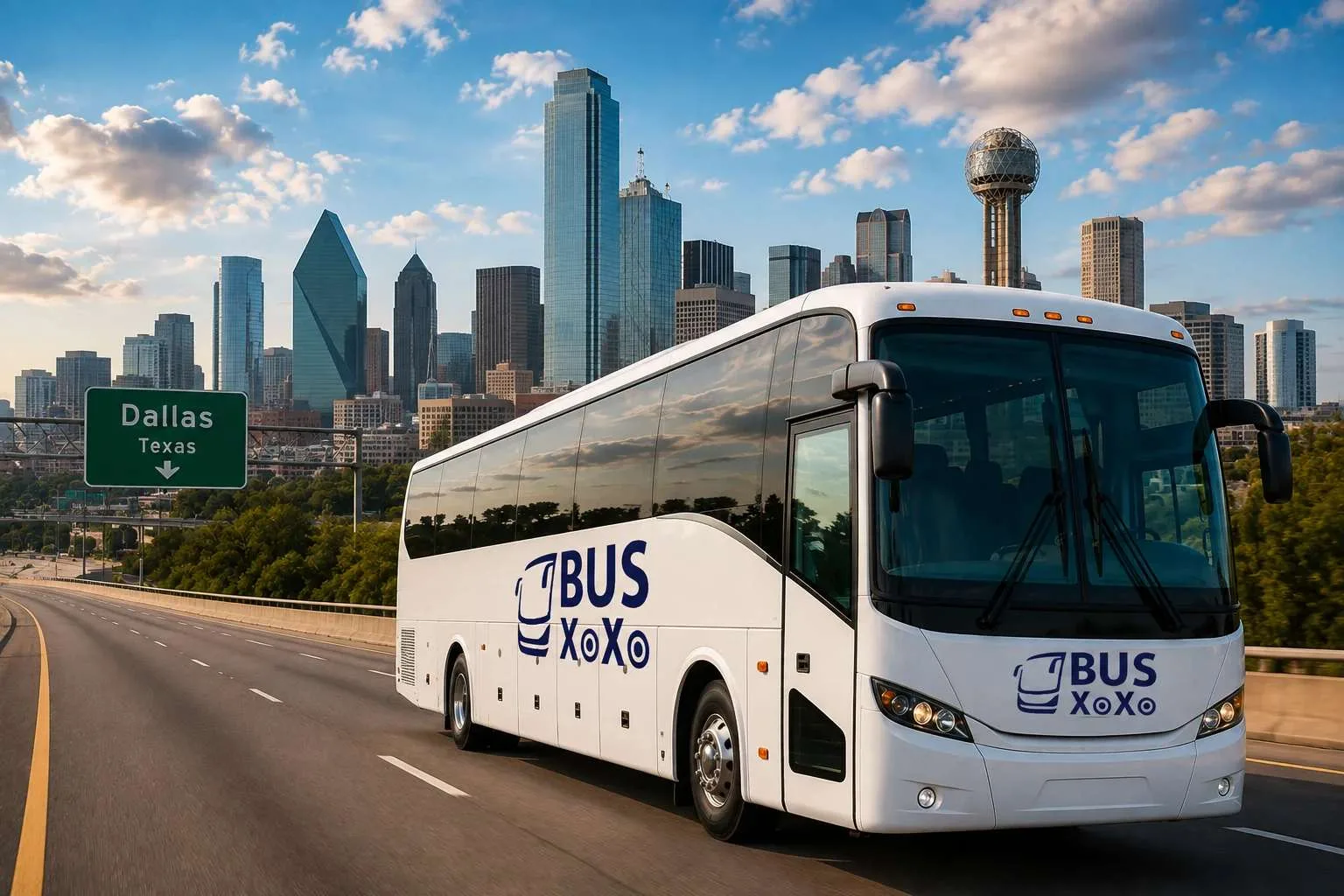
Wedding transportation can become challenging when dozens of guests need to travel between hotels, ceremony venues, reception locations, and other wedding-related destinations. Instead of coordinating numerous personal vehicles, couples can consider Dallas wedding transportation to keep guests together and simplify the day's travel arrangements. A 56-passenger charter bus can be particularly useful for larger weddings, but choosing the right vehicle requires more than simply counting the number of guests.
Start With the Guest Count
The number of guests who need transportation should be the starting point when planning wedding transportation. A 56-passenger bus can provide substantial seating capacity, making it suitable for large guest groups. However, not every invited guest will necessarily use the transportation. Some may live nearby, drive themselves, or arrange their own rides.
Create a transportation-specific guest list and ask attendees whether they plan to use the group transportation. This will give you a more realistic passenger count. It is also wise to account for members of the wedding party and immediate family who may need transportation at different times.
Consider More Than Seating Capacity
Although a 56-passenger bus provides plenty of seats, organizers should also consider luggage and personal belongings. Out-of-town wedding guests may arrive with suitcases, while members of the wedding party may have garment bags, gifts, decorations, or other items.
If guests are staying overnight, storage requirements may be greater than those of guests attending only the ceremony and reception. Discuss luggage and storage needs when arranging transportation so the selected vehicle is appropriate for the entire group.
Map Out Every Wedding Location
A wedding transportation plan should include every location guests need to visit.
Common stops include:
- Hotels
- Ceremony venues
- Reception venues
- Photo locations
- Rehearsal dinner locations
- Restaurants
- Airports
Write down the complete itinerary before finalizing the transportation schedule. If the ceremony and reception are at different locations, make sure there is enough time between them for guests to board, travel, and enter the second venue.
Plan Around the Ceremony Time
The ceremony should be one of the most important points in the transportation schedule. Work backward from the ceremony start time to determine when guests need to leave their hotels. Allow additional time for boarding and traffic rather than scheduling the journey based only on the estimated driving distance.
Guests should ideally arrive with enough time to find their seats and settle in before the ceremony begins. Building a reasonable buffer into the schedule can reduce stress if traffic or boarding takes longer than expected.
Consider Hotel Pickup Locations
Many Dallas weddings involve guests staying at multiple hotels. If most guests are staying at one property, a single pickup location may be sufficient. If accommodations are spread across the city, multiple stops may be necessary.
When planning several pickups, arrange them in a logical order to avoid unnecessary backtracking. Provide guests with specific instructions about where they should wait. A large hotel may have multiple entrances or parking areas, so simply providing the hotel name may not be enough.
Think About Venue Access
Large buses require appropriate areas for loading and unloading passengers. Contact the wedding venues ahead of time to determine where the charter bus should arrive and where passengers should be dropped off.
Some venues may have designated loading zones or restrictions on where large vehicles can stop. Knowing these details before the wedding day can prevent confusion when the vehicle arrives.
Plan for Wedding Party Transportation
The wedding party may have transportation needs that differ from those of regular guests.
Bridesmaids, groomsmen, family members, and the couple may need to travel to the venue earlier for preparation and photographs.
If the wedding party follows a separate schedule, create a separate transportation plan instead of trying to combine every trip into one route. This can help ensure that the wedding party arrives at each location according to its schedule.
Account for Dallas Traffic
Traffic should be considered when planning wedding transportation in Dallas. Travel times can change depending on the time of day, road construction, accidents, and major events. A route that normally takes a certain amount of time may take considerably longer during busy periods.
For a wedding, don't plan transportation with only a few minutes of flexibility. Allow enough time for the vehicle to reach the venue, unload passengers, and allow guests to walk inside.
Don't Forget the Return Trip
Transportation planning shouldn't end when guests arrive at the reception. Determine how guests will return to their hotels after the celebration. If everyone leaves at approximately the same time, one return trip may be sufficient.
However, some guests may want to leave earlier than others. Families with children or older guests may prefer an earlier departure, while other attendees may stay until the reception ends.
Communicate the return schedule clearly so guests know when they need to be ready.
Confirm Everything Before the Wedding
A final transportation review several days before the wedding can help identify potential problems.
- Passenger numbers
- Pickup locations
- Ceremony and reception addresses
- Departure times
- Return schedules
- Luggage requirements
- Venue loading areas
Make Wedding Transportation Part of the Planning Process
A 56-passenger charter bus can be a practical option for large weddings when many guests need to travel together. However, the vehicle should be selected based on the complete transportation requirements rather than seat count alone.
By considering passenger numbers, luggage, hotel locations, venue access, traffic, ceremony timing, and return transportation, couples can create a more organized travel plan for their guests. When transportation is planned alongside the rest of the wedding itinerary, guests can spend less time worrying about directions and parking and more time celebrating the occasion.