There's a strange kind of resignation that comes with opening an electricity bill every month. Most people just sigh, pay it, and move on — assuming that's simply the cost of living or running a business in India today. But that assumption is increasingly outdated. The technology to cut those bills dramatically already exists, and it's sitting right above most rooftops, unused.
The Rooftop Nobody Thinks About
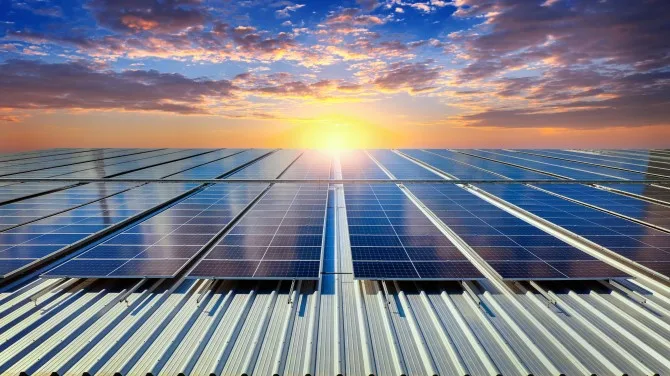
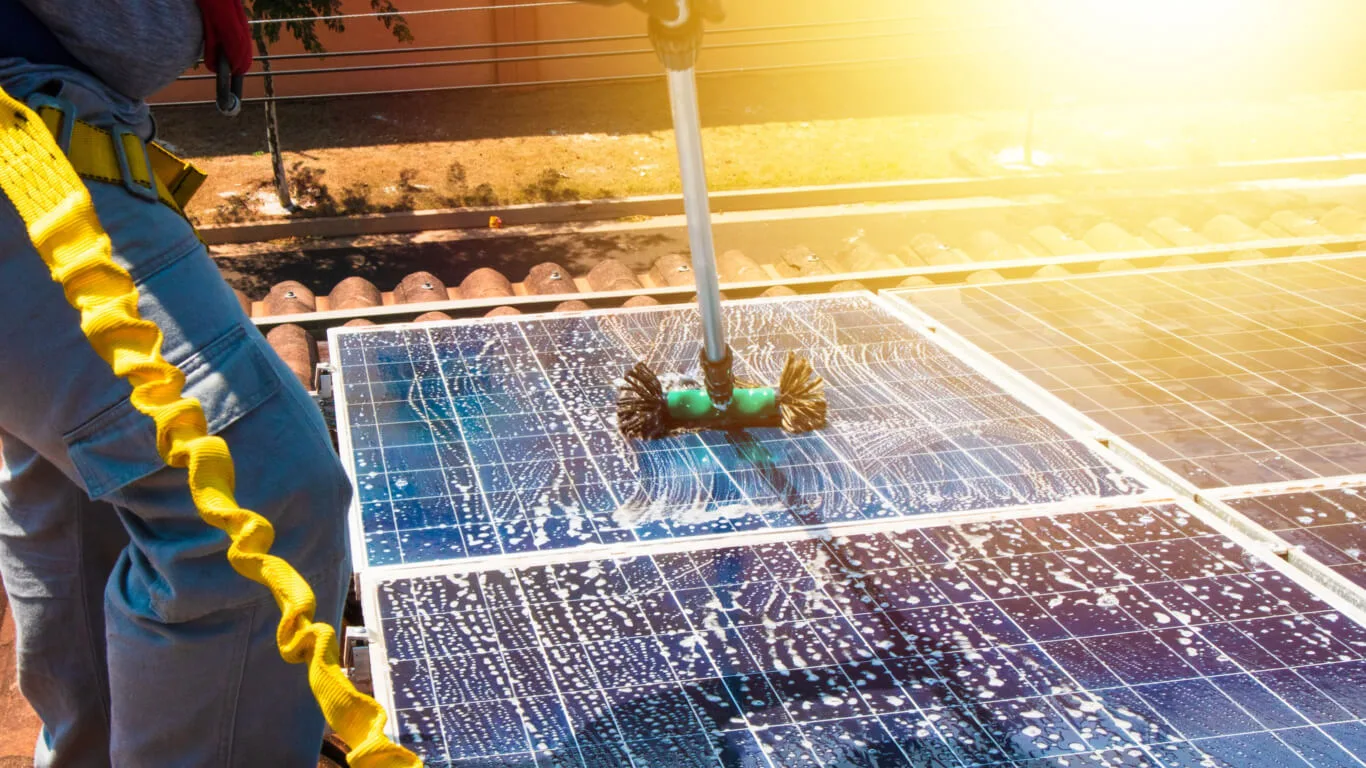
Walk onto almost any Indian rooftop and you'll find empty, sun-baked space doing absolutely nothing productive. That's the irony; the very thing driving up cooling costs in summer could instead be generating free electricity year-round. It's a space that goes to waste, but becomes a productive power source with quality roof solar panels, and the numbers add up quickly for homeowners! A good supplier takes care of all site inspections, paperwork, permissions, installation, etc., which is often the reason customers are concerned and not the technology.
Businesses Feel the Pinch Differently
For a factory or a hospital, electricity isn't a minor household expense — it's a major line item that eats into margins every single month. This is exactly why solar energy solutions India has seen growing commercial adoption isn't a passing trend; it's a response to rising tariffs and thinner profits. A large amount of daytime power demand may be offset by a well-designed rooftop solar power system, which is tuned according to actual consumption patterns rather than a one-size-fits-all concept. The secret change has been in use for years by multi-site merchants, lodging corporations, and warehouses.
On-Grid or Off-Grid: Which One Actually Fits?
This is usually where people get stuck. Choosing the improper choice might result in overpaying or under-preparing for outages since the two serve very different objectives.
- On-grid solar systems are less costly up front, link to the utility grid, enabling you to export excess units, and perform effectively in regions with dependable grid connectivity.
- Off-grid solar systems are more costly initially but perform effectively in places with frequent power outages or no stable grid at all. They run independently with battery backup.
Both rely on efficient roof solar panels, but storage and grid dependency are where they truly differ.
An on-grid solar system pays for itself more rapidly for the majority of city dwellers. Despite the greater initial cost, an off-grid solar system usually makes more sense for faraway estates or places afflicted by outages.
Housing Societies Are Catching On Too
Common area electricity, lifts, pumps, corridor lighting, quietly drains society funds every month. A shared rooftop solar power system spreads that cost across the building instead of onto individual residents, with monitoring and billing kept transparent for the managing committee.
Picking Someone Who Actually Delivers
None of this works well without a provider who does the job properly. Arkannect, for instance, has built its name around handling everything; design, procurement, installation, and years of after-service; rather than disappearing after the panels go up. This sort of accountability is typically what divides a system that functions successfully for 25 years from one that slowly collapses within five.
The Real Takeaway
Whether someone leans toward an on-grid solar system for quick savings or an off-grid solar system for independence, the underlying goal is identical: fewer surprises on the electricity bill. As solar solutions become more accessible across India, the rooftop is finally getting the attention it deserves.