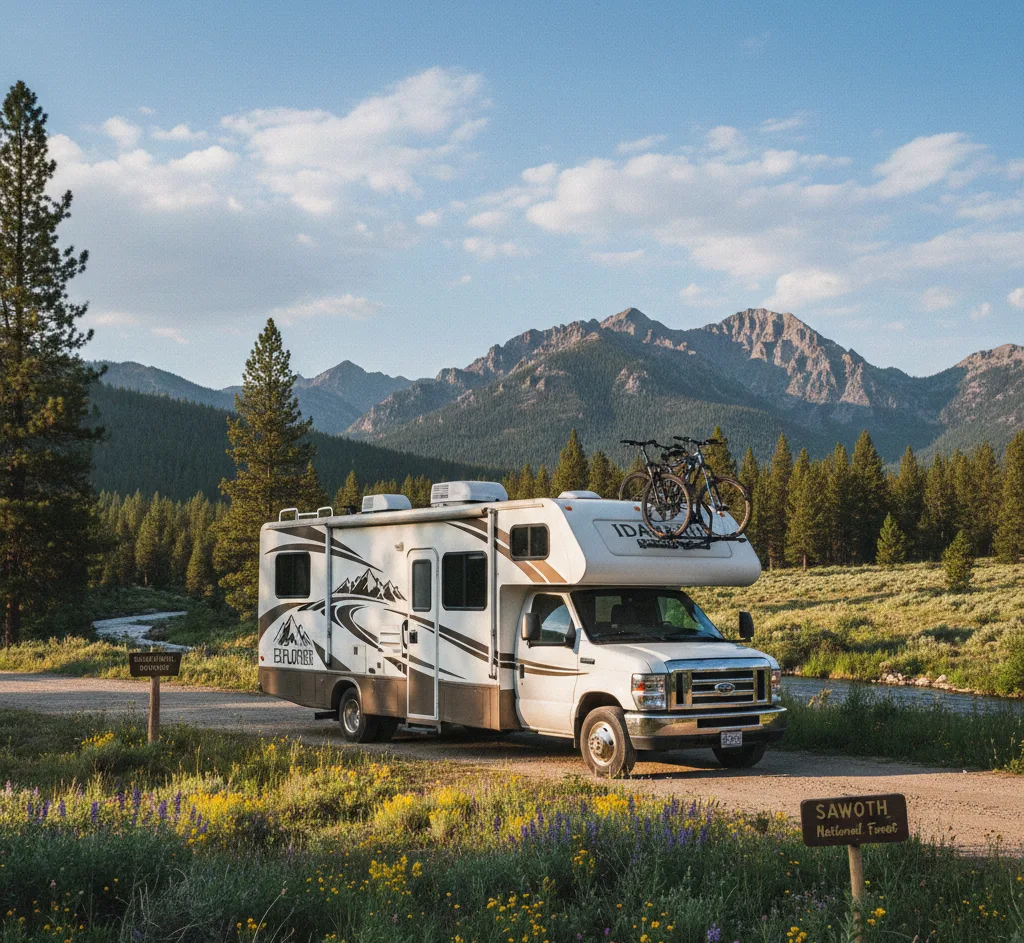
For many RV owners, their vehicle spends more time parked in a driveway than on the road. What was once a hefty investment slowly depreciates while barely being used. In 2026, however, an increasing number of RV owners are finding ways to transform these idle vehicles into sources of passive income. Programs like RV Management USA offer full-service rental management, allowing owners to earn without lifting a finger while their RV works for them.
Whether you own a Class C motorhome or a travel trailer, there’s a clear path to earning revenue and offsetting costs.
The Rise of RV Rentals as Passive Income
The demand for RV rentals has grown steadily in recent years. Many travelers prefer renting over buying, especially for short-term trips or special events. For RV owners, this represents an opportunity to generate income while their vehicles would otherwise sit unused.
- Average monthly income: Owners can expect $500 to $800 per month depending on RV type and location.
- Occupancy rates: Popular markets like Phoenix, Las Vegas, and Finger Lakes see occupancy rates between 60% and 75% on well-maintained RVs.
Take, for example, a 2020 Class C motorhome in Murrieta, California. Listed on platforms like Outdoorsy and RVezy, and managed through a local fleet manager, it can generate approximately $700 per month in net income. Over a year, that adds up to $8,400, which can cover storage, insurance, and even a portion of the RV loan
How RV Owners Can Get Started
Earning passive income doesn’t require becoming a rental expert overnight. Many owners partner with full-service management programs that handle everything from listing creation to cleaning and guest communication.
Here’s a typical process:
- Drop off your RV: Local managers receive your vehicle at a secure location.
- Professional listing: Managers photograph the RV and create optimized listings for platforms like Outdoorsy, RVezy, or proprietary websites.
- Guest coordination: The manager screens renters, handles messaging, and organizes pickup or delivery.
- Maintenance and cleaning: Between rentals, the RV is inspected, cleaned, and prepped.
- Monthly payouts: Owners receive a detailed statement and their share of rental income.
For many, this setup eliminates the stress of direct renting while maximizing ROI.
Tip: Ensure your RV has key amenities like Wi-Fi, a generator, and updated appliances to attract higher-paying renters. Even small upgrades can significantly increase your occupancy.
Real-World Considerations
While RV rentals can be lucrative, there are honest limitations to consider:
- Wear and tear: Frequent rentals accelerate maintenance needs. Tires, batteries, and appliances may need replacement sooner than if the RV remained idle.
- Insurance coverage: Standard personal RV insurance typically does not cover commercial rentals. Full-service management programs include commercial insurance for each booking, but it’s crucial to verify coverage limits. See official guidelines from your state DMV or insurance providers [INSERT RELEVANT LINKS].
- Seasonal fluctuations: Income can vary depending on peak travel seasons and regional demand.
Understanding these factors upfront can help owners set realistic expectations and avoid surprises.
Maximizing Your RV’s Rental Potential
Owners who actively optimize their RVs for rental often see better results. Consider the following strategies:
- High-quality photos: Showcase every space clearly. Bright, detailed images attract more bookings.
- Competitive pricing: Research local RV rental rates and adjust for seasonality. Tools like dynamic pricing calculators help maximize occupancy.
- Add-on services: Include optional add-ons like generator use, extra mileage, or pet accommodations. These can add an extra $50–$100 per booking.
- Flexible scheduling: Allowing for short-term rentals and last-minute bookings can boost occupancy, especially in popular vacation destinations.
Pro tip: Even minimal involvement, like stocking essential supplies (toilet paper, cleaning products), improves renter satisfaction and earns positive reviews, which drive repeat bookings.
Building Long-Term Passive Income
Many RV owners view rentals as a way to offset ownership costs, but for some, it evolves into a steady side income. By leveraging management programs, owners can free up their time while maintaining vehicle quality and ensuring every rental is insured and compliant.
One owner in Finger Lakes, New York, reported consistent monthly income of $650 from a travel trailer, covering both storage fees and part of insurance costs. By treating their RV as an income-generating asset rather than a depreciating expense, the investment begins to pay for itself.
Key takeaways:
- Professional management programs simplify the rental process.
- Properly maintained RVs attract higher-paying renters.
- Awareness of insurance and maintenance obligations protects both owners and renters.
RV rentals are not without challenges, but with careful planning, the potential to turn an idle asset into a reliable revenue stream is tangible in 2026.
Start exploring how much your RV could earn by using this free RV income calculator.