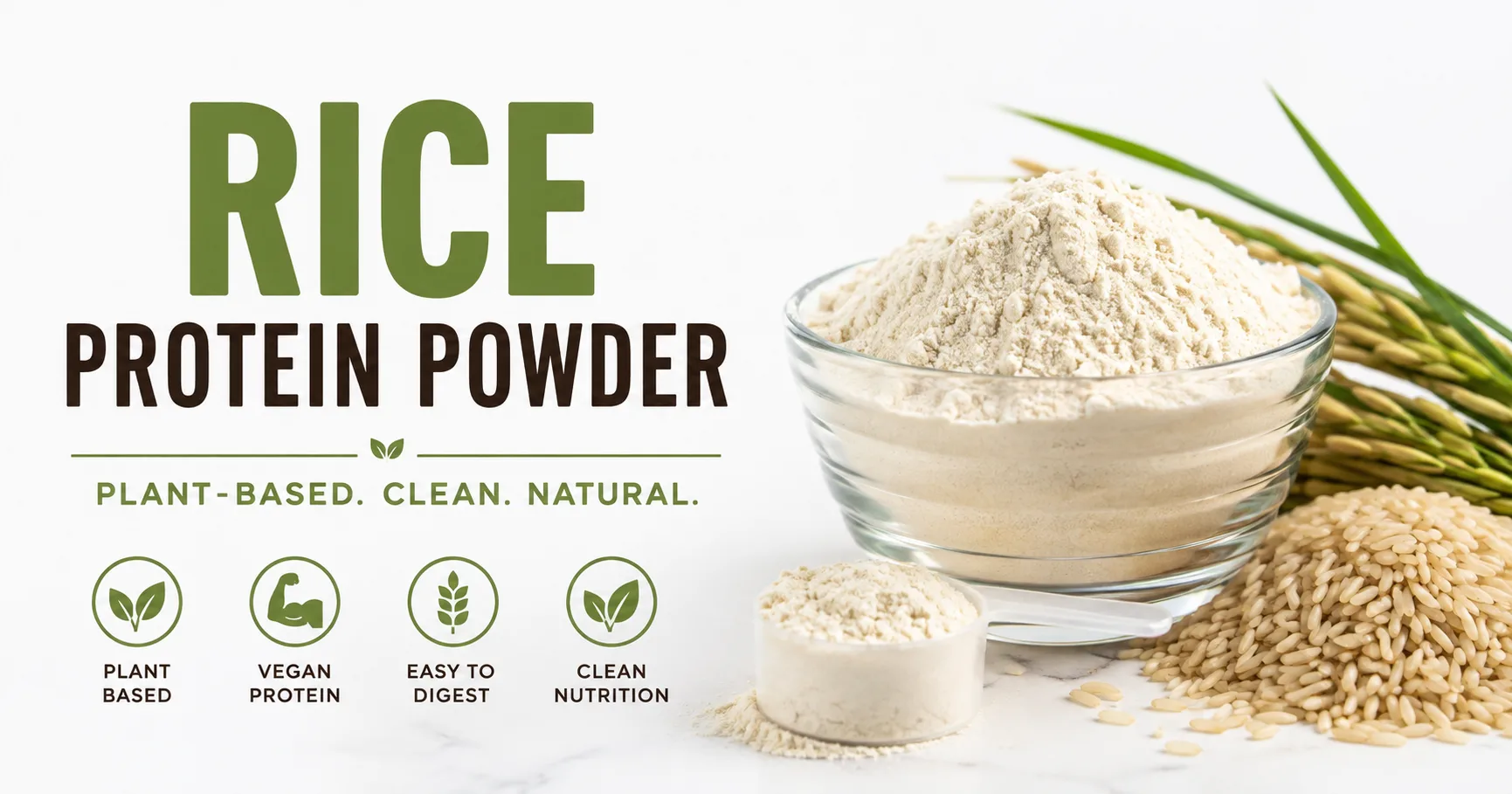
Plant-based nutrition is no longer a small trend. It has become part of everyday life for many people who want simple, flexible, and practical food choices. From busy professionals to fitness lovers, more Canadians are looking for plant-based options that can fit into a fast-moving routine. One product getting more attention is Rice protein powder.
Made from rice, this type of protein can be an easy way to add plant-based protein to smoothies, breakfast bowls, snacks, and other meals. Its simple image and convenient format make it appealing to people who want to improve their everyday nutrition without making their diet complicated.
Why Plant-Based Protein Is Gaining Attention
Food habits are changing. Many people are becoming more interested in plant foods because they want meals that feel lighter, more balanced, and easier to fit into their lifestyle. At the same time, protein has become a major focus in conversations about fitness, active living, and healthy aging.
Protein helps the body build and maintain muscles and supports many important body functions. This is why protein-rich foods remain an important part of a balanced diet. For someone who eats little or no animal protein, finding convenient plant-based choices can make daily meal planning much easier.
What Makes Rice Protein Interesting?
Rice is already a familiar food in Canadian kitchens, so using it as a plant-based protein source feels approachable. Rice protein is usually made by processing rice to separate the protein from other parts of the grain.
It can be useful for people who want variety in their protein choices. It also works well in recipes because it can be mixed into many everyday foods.
Some reasons people are exploring rice-based protein include:
- Plant-based option for people reducing animal products
- Easy to add to smoothies, shakes, and breakfast bowls
- Convenient for busy mornings and active lifestyles
- Useful for adding protein to everyday recipes
- Can fit into vegetarian and vegan meal patterns
- Offers another choice for people who want variety in their nutrition routine
A Simple Fit for Busy Canadian Lifestyles
Picture a person rushing to work on a cold weekday morning. Breakfast may be the first thing to get skipped. Preparing a full meal can feel difficult when time is limited. This is where convenience matters.
A protein powder can be added to a smoothie with fruit, oats, or a plant-based drink. It can also be mixed into yogurt alternatives or used in homemade snacks. Instead of creating a completely new meal plan, people can simply add it to foods they already enjoy.
How to Build a Better Protein Routine
Using a protein powder is only one part of good nutrition. A strong routine still starts with whole foods, variety, and balanced meals. Protein works best when it is part of a diet that also includes vegetables, fruits, whole grains, healthy fats, and enough fluids.
For a practical daily routine, consider these habits:
- Start the day with a balanced breakfast rather than relying only on coffee
- Include a protein source in meals and snacks
- Combine protein with fruit, vegetables, or whole grains
- Drink enough water throughout the day
- Choose foods with simple, clear ingredient labels
- Treat protein powder as a convenient addition, not a replacement for every meal
- Adjust portions based on your personal food needs and activity level
The Importance of Checking the Label
Not every protein powder is made the same way. Product quality can vary based on ingredients, processing methods, added flavors, sweeteners, and other components.
Canadian consumers are paying more attention to labels, and that is a smart habit. Before buying a product, it helps to look at:
- The ingredient list
- The protein amount per serving
- Added sugars and sweeteners
- Flavoring and other additives
- Allergen information
- Serving guidance
- Storage instructions
- Any certifications or claims that matter to you
A short ingredient list can make a product easier to understand. However, a longer list is not automatically a sign of poor quality. The bigger goal is knowing what you are buying and choosing something that fits your personal needs.
How It Can Support Active Lifestyles
Fitness culture has also helped push plant-based nutrition into the mainstream. People who walk, run, cycle, lift weights, or simply stay active throughout the day often pay closer attention to protein intake.
After exercise, many people look for convenient foods that include protein and carbohydrates. A smoothie made with fruit, oats, and a protein powder can be an easy option.
Still, protein needs are different for everyone. A person's age, body size, activity level, and overall diet can all affect how much protein they need. For people with specific health concerns or dietary restrictions, talking with a qualified health professional is a good idea.
The Bigger Role of Health-Focused Products
The growth of Health supplements Canada reflects a wider interest in making everyday wellness more convenient. Consumers are looking beyond traditional supplements and exploring products that can fit naturally into meals and daily routines.
This shift is important because it shows that wellness is becoming less about complicated plans and more about practical choices. People often want products that save time, are easy to use, and support habits they can actually maintain. That consumer mindset may continue shaping the nutrition market in the years ahead.
Plant-Based Nutrition Is About More Than One Product
It is easy to focus on one trendy ingredient and forget the bigger picture. A healthy eating pattern is built from many small choices made over time.
Think about your routine as a whole:
- Choose a wide range of plant foods
- Keep meals balanced and satisfying
- Make protein part of your daily eating pattern
- Pick convenient options that help you stay consistent
- Avoid depending on supplements to replace a varied diet
- Pay attention to how foods fit your own needs and preferences
This balanced approach makes nutrition feel more realistic and less stressful.
Final Thoughts
Plant-based nutrition in Canada is becoming more flexible, accessible, and everyday-friendly. Rice protein is part of that movement, offering a convenient option for people who want to add plant-based protein to meals and snacks.
The smartest approach is simple: choose quality products, read labels carefully, eat a varied diet, and focus on habits you can maintain. Nutrition does not need to feel complicated to be effective. Sometimes, the best changes are the ones that fit naturally into your everyday life.