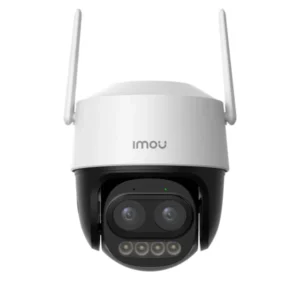
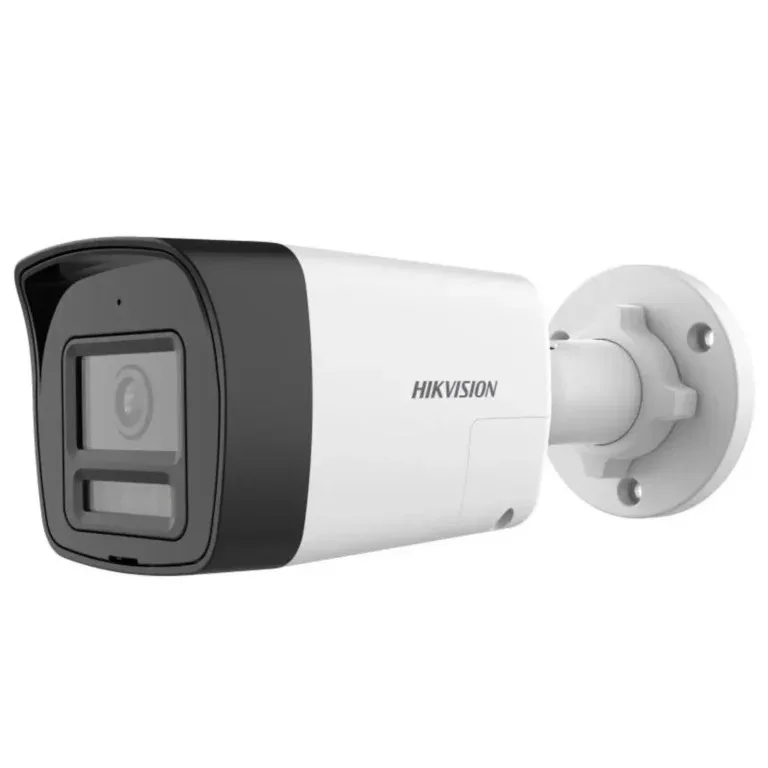
Situational awareness is one of the most important aspects of an effective surveillance system. Security personnel need to understand what is happening, where it is happening, and how events are developing in real time. Traditional fixed cameras provide continuous monitoring of specific areas, but they have limited viewing angles. PTZ cameras overcome these limitations by offering flexible movement, optical zoom, and remote control capabilities.
Whether monitoring commercial buildings, factories, warehouses, educational institutions, parking lots, or residential communities, PTZ cameras provide a more dynamic approach to surveillance. Their ability to pan, tilt, and zoom allows operators to respond quickly to changing situations and capture critical details without installing numerous fixed cameras.
This guide explains how PTZ cameras improve situational awareness and why they are becoming an essential component of modern security systems.
What Is a PTZ Camera?
A ptz camera is a surveillance camera capable of moving horizontally (pan), vertically (tilt), and adjusting its zoom level remotely. Unlike fixed cameras that constantly monitor one direction, PTZ cameras allow operators to inspect different areas using a single device.
Many modern PTZ cameras also include intelligent features such as:
- Automatic tracking
- Motion detection
- Preset patrol routes
- Scheduled scanning
- Remote mobile control
- High-definition video recording
These capabilities make PTZ cameras suitable for environments requiring active monitoring.
Understanding Situational Awareness
Situational awareness refers to the ability to observe, understand, and respond to events as they occur.
In security applications, this includes:
- Monitoring multiple locations.
- Detecting unusual activity.
- Identifying potential threats.
- Tracking moving individuals.
- Following vehicles.
- Supporting rapid decision-making.
The faster security personnel recognize developing situations, the more effectively they can respond.
Wide-Area Surveillance
One of the biggest advantages of PTZ cameras is their ability to monitor large areas.
Instead of covering only a fixed section, PTZ cameras can rotate across wide environments such as:
- Parking lots
- Warehouses
- School campuses
- Shopping centers
- Industrial facilities
- Stadiums
- Public parks
This broader field of view reduces the number of cameras required for complete surveillance coverage.
Real-Time Tracking
Modern PTZ cameras allow security operators to follow individuals or vehicles as they move across monitored areas.
This capability improves situational awareness by maintaining visual contact during an incident.
Examples include:
- Following suspicious individuals.
- Monitoring unauthorized vehicles.
- Tracking deliveries.
- Observing emergency situations.
- Recording crowd movement.
Continuous tracking provides valuable context that fixed cameras may miss.
Optical Zoom for Greater Detail
Zoom functionality is one of the defining characteristics of PTZ cameras.
Optical zoom enables operators to inspect distant objects without significantly reducing image quality.
Security personnel can zoom in to identify:
- Faces
- Vehicle registration plates
- Suspicious packages
- Building entrances
- Equipment status
Being able to capture these details greatly enhances surveillance effectiveness.
Faster Incident Response
When suspicious activity is detected, security teams can immediately reposition the camera to investigate.
Instead of relying on multiple fixed cameras, operators simply adjust the PTZ camera remotely.
Quick visual confirmation allows faster responses while reducing uncertainty during security incidents.
Automatic Patrol Functions
Many PTZ cameras support preset patrol routes.
The camera automatically moves between predefined positions, monitoring multiple areas according to a scheduled routine.
Typical patrol locations include:
- Main entrances
- Parking areas
- Loading docks
- Hallways
- Building perimeters
- Storage facilities
Automated patrols provide continuous monitoring without constant operator intervention.
Intelligent Motion Tracking
Artificial intelligence has significantly improved PTZ surveillance.
Many modern systems automatically detect movement and begin tracking selected objects.
Intelligent tracking can distinguish between:
- People
- Vehicles
- Animals
- Other moving objects
This automation improves surveillance efficiency while reducing operator workload.
Improved Coverage During Emergencies
During emergencies, security personnel require immediate visual information.
PTZ cameras allow operators to quickly assess:
- Fire incidents
- Unauthorized entry
- Crowd movement
- Traffic congestion
- Equipment failures
- Emergency evacuations
Rapid camera movement provides valuable information that supports better decision-making.
Outdoor Surveillance Advantages
Large outdoor environments often present surveillance challenges due to their size.
A cctv camera PTZ outdoor is designed to withstand changing weather conditions while providing flexible monitoring of:
- Parking facilities
- Construction sites
- Industrial yards
- Farms
- Residential compounds
- Stadiums
- Business entrances
Weather-resistant construction ensures reliable operation throughout the year.
Remote Monitoring
Modern PTZ systems allow authorized users to monitor locations remotely using computers, tablets, or smartphones.
Remote access enables operators to:
- Adjust camera angles.
- Zoom into important areas.
- Review live footage.
- Respond to security alerts.
- Monitor multiple facilities.
This flexibility improves operational efficiency while reducing response times.
Better Resource Management
Instead of installing numerous fixed cameras across every viewing angle, PTZ cameras can cover multiple locations with controlled movement.
Benefits include:
- Lower infrastructure costs.
- Simplified installation.
- Reduced maintenance.
- Easier monitoring.
- Greater operational flexibility.
For many medium-sized surveillance projects, fewer PTZ cameras can provide coverage equivalent to several fixed cameras.
Integration with Modern Security Systems
PTZ cameras integrate seamlessly with other security technologies, including:
- Alarm systems
- Motion sensors
- Video management software
- Access control systems
- Network video recorders
- Smart analytics
Integration allows cameras to automatically respond when specific events occur, improving overall situational awareness.
Choosing the Right PTZ Camera
Every surveillance project has different requirements.
When selecting a PTZ camera, consider:
- Optical zoom range.
- Image resolution.
- Night vision capability.
- Weather resistance.
- Pan and tilt speed.
- AI tracking features.
- Mobile application support.
- Recording compatibility.
Selecting equipment that matches operational needs ensures reliable long-term performance.
Budget Considerations
Security planning always involves balancing performance with available resources.
Many buyers compare PTZ camera prices in Pakistan while evaluating cameras suitable for residential, commercial, and industrial surveillance projects.
Rather than focusing solely on initial purchase costs, consider long-term reliability, maintenance requirements, image quality, and available intelligent features.
A dependable PTZ system often provides greater value over its operational lifespan.
Comparing Surveillance Options
While fixed cameras remain valuable for monitoring constant viewpoints, PTZ cameras offer significantly greater flexibility.
Property owners researching surveillance equipment frequently compare security camera prices in Pakistan alongside available features to determine which solution best fits their property size, monitoring objectives, and expansion plans.
For locations requiring active monitoring, zoom capabilities, and wide-area coverage, PTZ technology often provides a more versatile solution.
Maintenance Best Practices
Routine maintenance ensures PTZ cameras continue operating efficiently.
Recommended practices include:
- Cleaning the camera lens regularly.
- Inspecting moving components.
- Checking weather seals.
- Testing pan and tilt functions.
- Verifying zoom performance.
- Updating firmware when available.
- Reviewing recording quality.
Preventive maintenance extends equipment lifespan while maintaining dependable surveillance performance.
Common Installation Mistakes
Avoid these common errors when deploying PTZ cameras:
- Installing cameras with blocked viewing angles.
- Ignoring lighting conditions.
- Mounting cameras too low.
- Overlooking network bandwidth requirements.
- Failing to configure patrol routes.
- Neglecting firmware updates.
- Skipping routine maintenance.
Proper planning and installation maximize the benefits of PTZ technology.