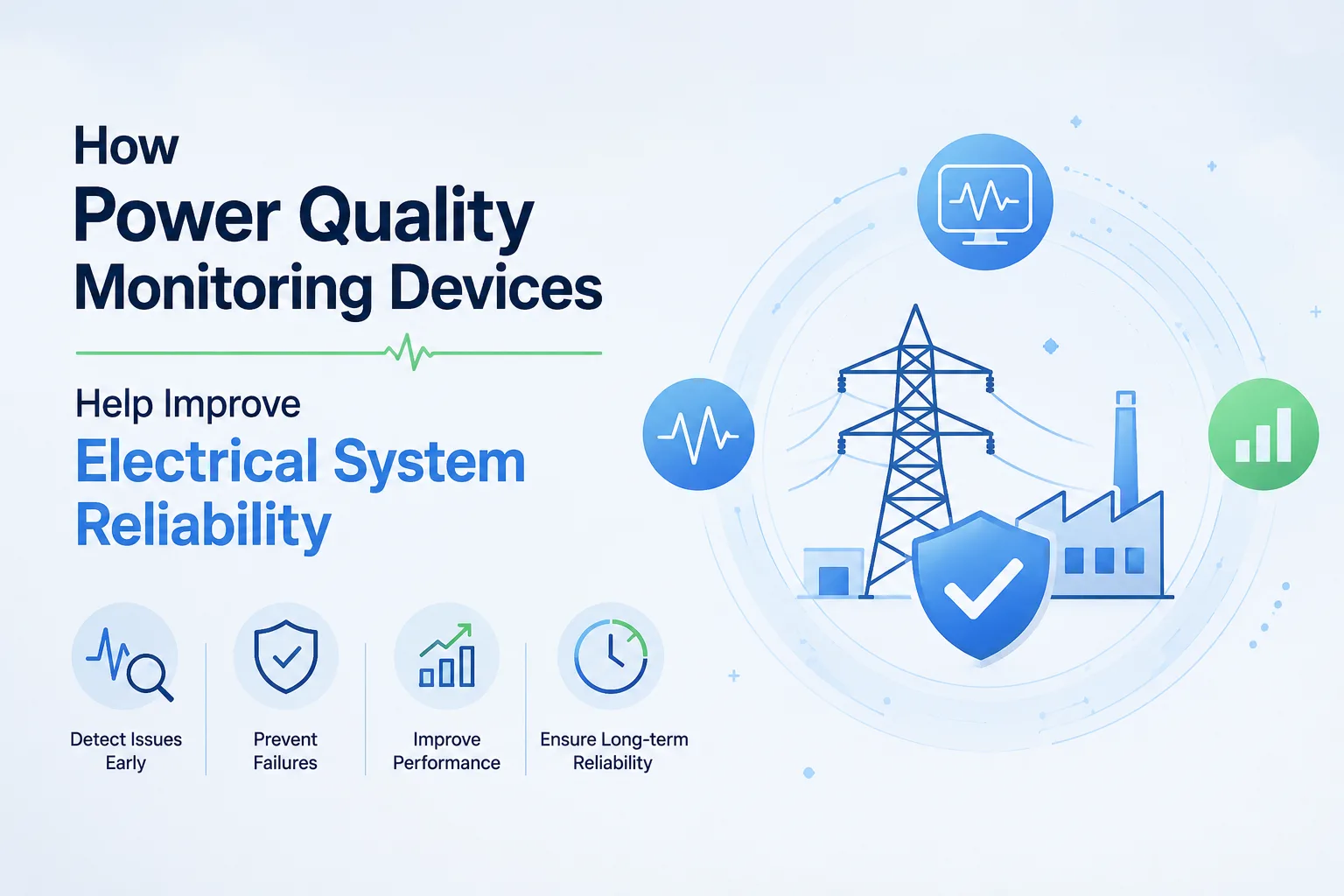
A single voltage fluctuation can stop an entire production line, damage sensitive equipment or lead to unexpected maintenance costs. While many businesses focus on repairing faults after they occur, the real advantage lies in detecting electrical issues before they become expensive failures. That's where power quality monitoring devices make a difference. They continuously monitor electrical performance, helping businesses improve reliability, minimise downtime and make informed maintenance decisions.
What Are Power Quality Monitoring Devices?
Power quality monitoring devices are specialised instruments designed to measure and analyse the condition of an electrical power system. They collect real-time data on electrical parameters and help identify abnormalities before they become costly problems.
These devices typically monitor:
- Voltage
- Current
- Frequency
- Power factor
- Harmonic distortion
- Voltage sags and swells
- Electrical transients
- Energy consumption
Unlike occasional manual testing, continuous power quality monitoring provides valuable insights into how an electrical system performs throughout the day. This information allows maintenance teams to detect trends, investigate recurring issues and make informed decisions before faults develop.
Many organisations also use power quality monitors as part of their broader electrical maintenance strategy to improve operational efficiency and minimise unexpected downtime.
Common Power Quality Problems That Affect Electrical Systems
Even well-designed electrical systems can experience power quality issues over time. Environmental conditions, ageing equipment and changing electrical loads may all contribute to reduced system performance.
Some of the most common problems include:
Voltage Sags and Swells
Voltage sags occur when voltage temporarily drops below its normal level. Voltage swells have the opposite effect and cause temporary increases in voltage. Both conditions can disrupt sensitive equipment and interrupt production processes.
Harmonic Distortion
Modern facilities often operate variable speed drives, inverters and electronic equipment that generate harmonic distortion. Excessive harmonics reduce equipment efficiency, increase heat generation and shorten the lifespan of electrical components.
In some applications, an active harmonic filter helps reduce harmonic distortion and improve overall power quality. Combined with continuous monitoring, it provides a more stable electrical environment.
Electrical Transients
Short-duration voltage spikes can damage electronic devices and sensitive control systems. These events often occur during switching operations or lightning activity.
Power Interruptions
Unexpected power interruptions can halt production, interrupt business operations and increase recovery costs. Identifying their root cause requires accurate monitoring and historical data.
Voltage Imbalance
Uneven voltage across phases places additional stress on motors and electrical equipment. If left unresolved, it can reduce efficiency and increase maintenance requirements.
How Power Quality Monitoring Devices Improve Electrical System Reliability
Continuous monitoring gives organisations greater visibility into their electrical systems. Instead of reacting after failures occur, maintenance teams can identify warning signs and address issues early.
Early Detection of Electrical Problems
Many electrical faults develop gradually rather than appearing without warning.
By continuously monitoring voltage, current and other electrical parameters, power quality monitoring devices help identify unusual patterns before they become serious faults.
For example, recurring voltage sags during production hours may indicate overloaded circuits or deteriorating equipment. Identifying these trends early reduces the likelihood of unexpected failures.
Reduce Equipment Downtime
Equipment downtime affects productivity, maintenance budgets and customer service.
Real-time monitoring allows maintenance teams to investigate abnormal events immediately instead of waiting for equipment failure.
Historical event logs also make troubleshooting faster because engineers can compare operating conditions before and after an incident.
Support Predictive Maintenance
Traditional maintenance often follows fixed schedules regardless of equipment condition.
Power quality monitoring supports predictive maintenance by providing accurate operational data. Maintenance teams can prioritise inspections based on actual system performance rather than estimated service intervals.
This approach improves resource allocation while reducing unnecessary maintenance activities.
Improve Fault Diagnosis
Electrical faults rarely have a single obvious cause.
Continuous monitoring provides detailed event records that simplify fault analysis. Engineers can review voltage changes, current behaviour and harmonic levels to identify the source of recurring problems more quickly.
An electrical data logger further strengthens this process by recording historical electrical measurements for later analysis.
The Importance of Accurate Data Collection
Reliable decisions depend on reliable information.
A voltage and current data logger continuously records electrical measurements over extended periods. Instead of relying on short inspections, maintenance teams can analyse trends across days, weeks or months.
This long-term data helps identify:
- Seasonal changes in electrical demand
- Repeated voltage disturbances
- Equipment operating patterns
- Abnormal energy consumption
- Emerging electrical faults
Accurate data collection also supports energy management initiatives and helps organisations improve overall system performance.
Protect Sensitive Equipment
Many modern facilities rely on sophisticated electronic equipment that operates within narrow voltage tolerances.
Servers, medical equipment, automation systems and laboratory instruments can all experience reduced performance when power quality deteriorates.
Continuous monitoring helps identify abnormal electrical conditions before they affect these critical assets. Maintenance teams can then investigate the cause and implement appropriate corrective measures.
Over time, this proactive approach helps extend equipment lifespan while reducing repair and replacement costs.
Improve Energy Efficiency
Poor power quality often results in unnecessary energy losses.
Voltage imbalance, harmonic distortion and overloaded circuits force electrical equipment to work harder than intended.
Monitoring systems provide detailed insights into energy usage and electrical performance. These insights help organisations optimise electrical loads, reduce waste and improve operational efficiency.
Energy monitoring also supports sustainability goals while lowering long-term operating costs.
Industries That Benefit Most from Power Quality Monitoring
Power quality issues can affect any facility that relies on a stable electrical supply. However, some industries face greater risks due to their dependence on sensitive equipment and continuous operations.
Manufacturing Facilities
Manufacturing plants use motors, conveyors, programmable logic controllers (PLCs) and automated production lines that depend on consistent power. Even a brief voltage disturbance can interrupt production, damage equipment or result in costly delays.
Continuous monitoring helps maintenance teams detect recurring issues and maintain smooth production.
Commercial Buildings
Office buildings, shopping centres and hotels rely on reliable electrical systems to support lighting, heating, cooling and security systems. Monitoring electrical performance helps facility managers identify inefficiencies and reduce unexpected disruptions.
Data Centres
Data centres require uninterrupted power to protect servers and critical IT infrastructure. Even a minor power quality issue can affect system availability and data integrity.
Using power quality monitoring devices allows operators to monitor electrical conditions continuously and respond quickly to any abnormalities.
Healthcare Facilities
Hospitals and medical centres depend on reliable power for diagnostic equipment, life-support systems and patient care. Monitoring electrical performance helps maintain a stable environment for critical operations.
Renewable Energy Systems
Solar farms, wind turbines and battery storage systems often experience changing electrical loads. Monitoring equipment provides valuable insights into system performance and helps maintain efficient energy distribution.
Essential Tools That Support Effective Power Quality Monitoring
Monitoring devices deliver valuable information, but they work best when combined with the right testing equipment and maintenance practices.
Power Quality Monitors
While power quality monitoring devices provide continuous oversight, dedicated power quality monitors offer detailed analysis of electrical events. They measure voltage, current, harmonics, frequency and power factor, helping engineers identify the root cause of recurring issues.
These instruments are especially useful during system commissioning, fault investigations and routine maintenance.
Electrical Data Logger
An electrical data logger records electrical measurements over long periods, allowing maintenance teams to compare historical data with current system performance.
Instead of relying on isolated readings, engineers can analyse long-term trends to identify gradual changes that may indicate developing faults.
Voltage and Current Data Logger
A voltage and current data logger captures detailed information about electrical conditions throughout the day. This continuous record helps identify fluctuations that may only occur during peak operating hours or under specific load conditions.
The collected data also supports maintenance planning and system optimisation.
Test Leads for Multimeter
Reliable measurements depend on quality accessories. Test leads for multimeter play an important role in routine inspections, equipment testing and fault diagnosis.
Using well-maintained test leads improves measurement accuracy and helps electricians work safely when carrying out electrical testing.
Tool Bags for Electricians
Keeping essential tools organised saves time during inspections and maintenance work. Durable tool bags for electricians allow technicians to transport testing equipment, hand tools and safety gear efficiently between job sites.
Good organisation also reduces the risk of misplaced tools and improves workplace productivity.
Best Practices for Improving Electrical System Reliability
Installing monitoring equipment is only the first step. Organisations achieve the greatest benefits when they combine technology with effective maintenance practices.
Monitor Critical Equipment Continuously
Continuous monitoring provides a clearer picture of electrical performance than occasional inspections. It allows maintenance teams to identify recurring issues that might otherwise go unnoticed.
Review Historical Data Regularly
Historical data helps engineers understand long-term trends and compare system performance over time. Regular analysis supports better maintenance decisions and reduces reactive repairs.
Investigate Abnormal Events Promptly
Small electrical disturbances can develop into larger problems if ignored. Responding quickly to unusual voltage changes, harmonic levels or current variations helps prevent unnecessary equipment damage.
Schedule Preventive Maintenance
Monitoring data should support preventive maintenance rather than replace it. Regular inspections, equipment testing and servicing remain essential for maintaining reliable electrical systems.
Train Maintenance Teams
Even the most advanced monitoring equipment requires knowledgeable users. Training maintenance personnel to interpret reports and identify potential issues improves the effectiveness of any monitoring programme.
Choosing Reliable Equipment Matters
The effectiveness of any monitoring strategy depends on the quality of the equipment you use. When selecting power quality monitoring devices, look for features such as accurate measurements, real-time monitoring, data logging, easy reporting and reliable long-term performance.
It's equally important to source equipment from a reputable electrical accessories shop that offers products suited to your operational requirements. Choosing reliable monitoring and testing equipment not only improves the accuracy of electrical assessments but also supports safer maintenance practices and better long-term system performance.
Improve Your Power Quality Monitoring Strategy
Improving electrical system reliability starts with better visibility. By using the right power quality monitoring devices and testing equipment, businesses can identify issues early, reduce downtime and make more informed maintenance decisions. If you're looking for reliable electrical measurement solutions, explore the range of monitoring equipment available at CHK SHOP to find products that suit your operational needs.