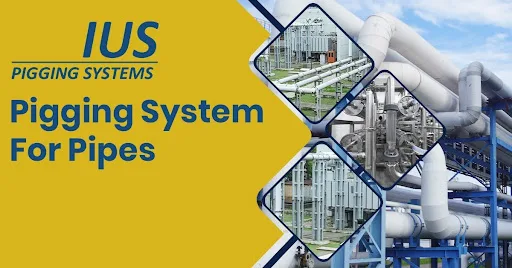
Reducing waste and increasing efficiency are of utmost importance in contemporary industrial processes. Product loss during pipeline transfer can have a major effect on profitability in a variety of industries, including food processing, chemicals, paints, and cosmetics. Pigging systems are useful in this situation. These cutting-edge pipeline management technologies are made to recover leftover product, cut waste, and boost overall productivity.
We’ll look at how pigging systems lower product loss in this article and why they’re increasingly crucial in many industries.
What Are Pigging Systems?
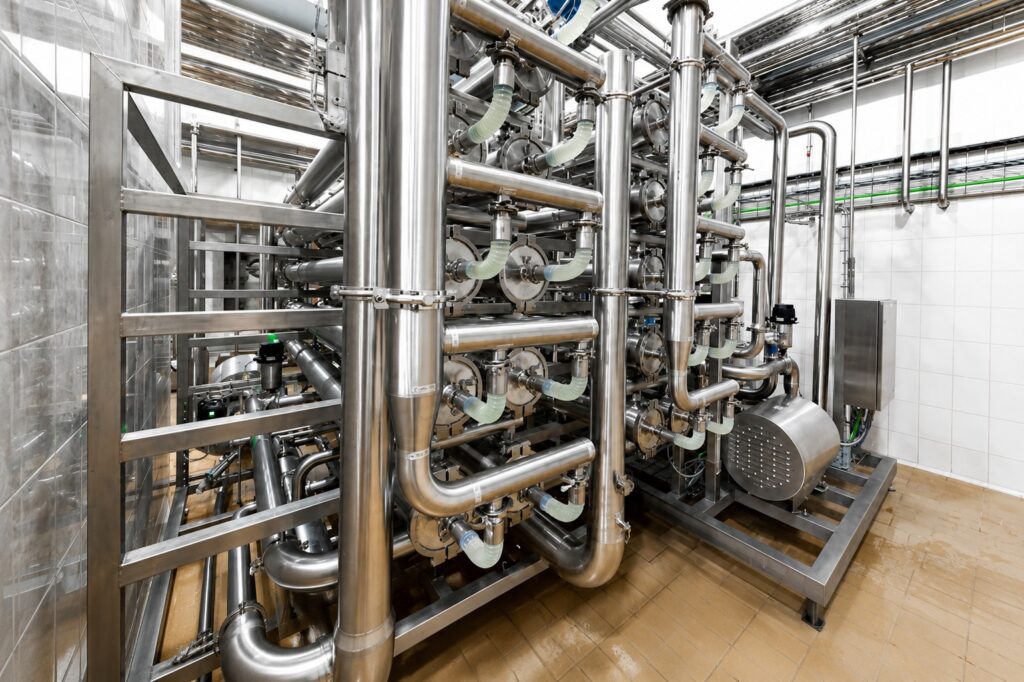
In pipelines, pigging systems are specific configurations designed to recover product residue after transfer. Air, gas, or liquid are used to push a device called a “pig” down the pipeline. It ensures little waste by scraping and pushing out leftover product as it moves.
Pigging is more economical and environmentally friendly than traditional cleaning techniques since it enables businesses to recover useful products rather than dumping them.
The Problem of Product Loss in Pipelines
In many industries, pipelines carry high-value liquids such as sauces, oils, paints, or chemicals. After each transfer cycle, a significant amount of product remains inside the pipeline. Traditionally, this leftover material is either flushed out with water or cleaning agents, leading to:
- Product wastage
- Increased cleaning costs
- Higher water and chemical usage
- Environmental concerns
Over time, these losses can accumulate and significantly affect the bottom line of a business.
How Pigging Systems Reduce Product Loss
1. Maximum Product Recovery
One of the primary advantages of pigging systems is their ability to recover up to 99% of the product remaining in pipelines. The pig moves through the pipe and pushes the remaining material toward the outlet, ensuring that almost all usable product is collected.
This is especially beneficial for industries dealing with expensive or viscous products like cosmetics, adhesives, and food pastes.
2. Reduced Dependency on Flushing
Traditional pipeline cleaning involves flushing with water or solvents, which not only wastes product but also dilutes it. Pigging eliminates or significantly reduces the need for flushing.
By minimizing flushing cycles, companies can save on water usage, reduce effluent treatment costs, and prevent product dilution.
3. Faster Changeovers
In industries with multiple product lines, frequent changeovers are necessary. Without pigging, cleaning pipelines between batches takes time and results in additional product loss.
Pigging systems enable faster and cleaner changeovers by efficiently removing residual product before the next batch is introduced. This improves productivity while minimizing waste.
4. Improved Process Efficiency
When pipelines are cleared effectively, operations become more streamlined. There is less contamination between batches, fewer cleaning interruptions, and better utilization of raw materials.
This leads to consistent product quality and reduced operational downtime, both of which contribute to higher profitability.
5. Lower Environmental Impact
Reducing product loss also means reducing waste disposal. With less product being washed away, companies generate less industrial waste and consume fewer resources.
This makes pigging systems a sustainable choice for industries aiming to meet environmental regulations and reduce their carbon footprint.
Industry Applications
Pigging technology is widely used across multiple sectors, including:
- Food and beverage manufacturing
- Paint and coatings industry
- Chemical processing
- Cosmetics and personal care
- Pharmaceutical production
In each of these industries, minimizing product loss directly translates into cost savings and improved efficiency.
Why Choose IUS Pigging?
IUS Pigging is a reputable brand in the industry for dependable and high-performing pigging solutions. Their systems are made to meet a range of industrial requirements, providing tailored solutions for diverse pipeline and product kinds.
In order to ensure that companies can recover the most product while upholding operational and hygienic standards, IUS Pigging places a strong emphasis on innovation, efficiency, and durability. They are a top option for businesses trying to streamline their operations because of their proficiency with both industrial and hygienic pigging systems.
Conclusion
Improving industrial operations’ sustainability and profitability requires lowering product loss. By recovering leftover product, cutting waste, and improving overall efficiency, pigging systems provide a practical alternative.
The advantages of pigging systems are evident, from reducing the need for flushing to facilitating quicker changeovers. Adopting cutting-edge solutions like those provided by IUS Pigging can have a big impact as industries continue to prioritize cost optimization and environmental responsibility.
Investing in pigging technology is a wise strategic choice if your company depends on pipeline-based product transfer.