Digital advertising has become one of the fastest ways for businesses to reach potential customers, but simply spending money on ads does not guarantee growth. Businesses need to understand where their advertising budget is going, which campaigns generate meaningful enquiries and which channels actually contribute to revenue.
This is where Performance Marketing plays an important role.
Unlike advertising strategies that focus primarily on visibility or impressions, performance marketing connects campaigns with measurable actions such as website visits, enquiries, calls, leads, purchases and other conversions. Businesses can use this data to improve campaigns continuously instead of relying on assumptions.
What Is Performance Marketing?
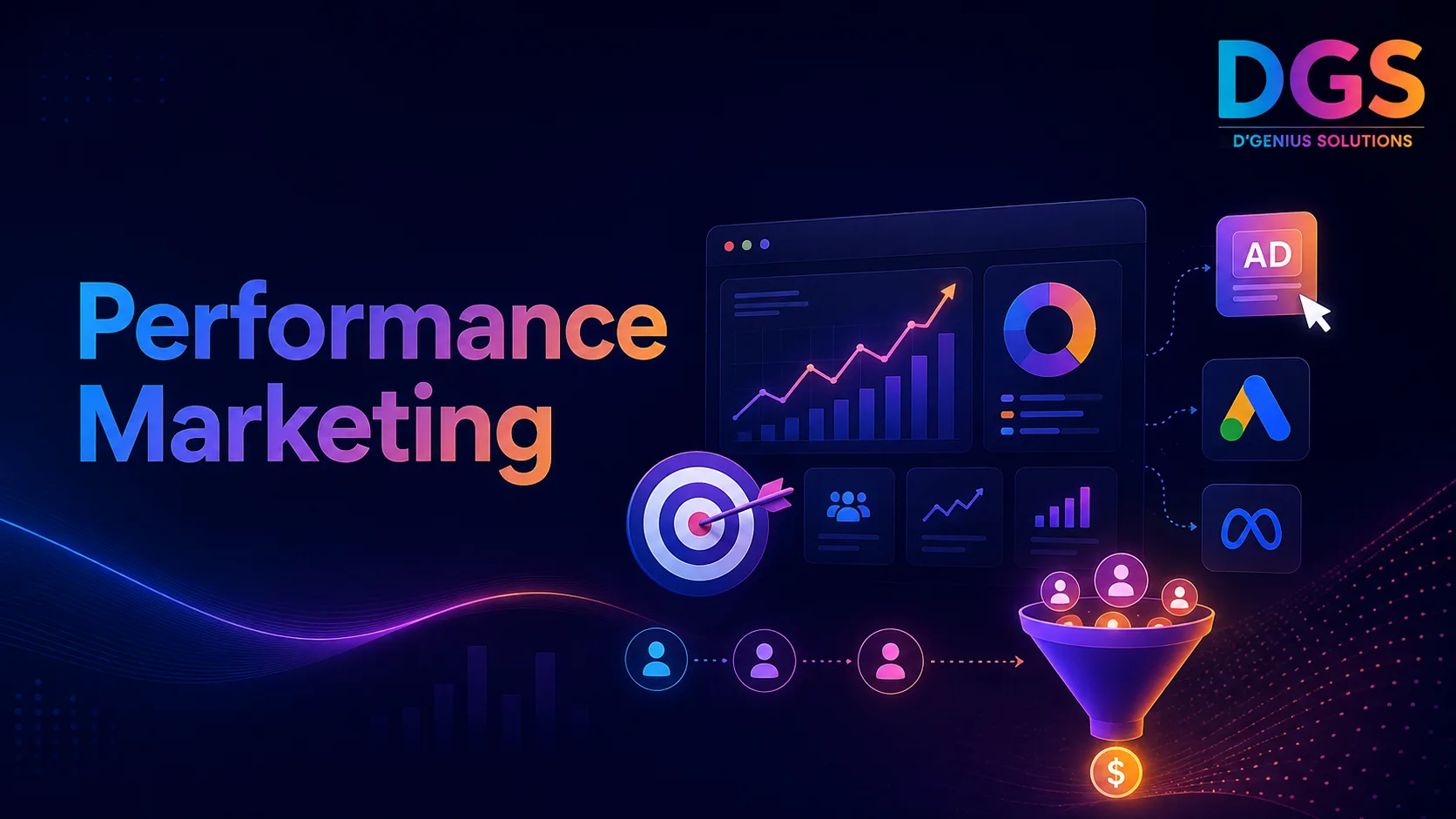
Performance marketing is a data-driven approach to digital advertising where campaigns are planned, measured and optimised around specific business outcomes.
These outcomes may include:
- Qualified lead generation
- Product purchases
- Website enquiries
- Phone calls
- Form submissions
- App installations
- Customer acquisition
- Return on advertising spend
A well-planned performance marketing strategy combines audience targeting, advertising platforms, creative communication, landing pages, conversion tracking and ongoing optimisation.
Businesses working with an experienced performance marketing agency in Mumbai can build campaigns around measurable objectives rather than focusing only on traffic or reach.
Google Ads Helps Capture Existing Customer Demand
Google Ads can be particularly valuable when customers are already searching for a product or service.
For example, someone searching for a service provider, software solution, educational programme or professional service may already have a clear requirement. Search campaigns allow businesses to appear when that demand exists.
Effective Google Ads campaigns require more than selecting a few keywords. Campaign structure should consider search intent, keyword relevance, negative keywords, advertisement messaging, landing-page experience and conversion tracking.
Performance Max and remarketing campaigns can further expand the advertising strategy when they are aligned with the right business objective.
The goal should not simply be generating more clicks. Businesses need to understand whether those clicks eventually produce useful enquiries or sales.
Meta Ads Create and Capture Audience Interest
Facebook and Instagram advertising work differently from traditional search advertising.
Users may not be actively searching for a product while browsing social media. This means advertisers need strong audience targeting and creative communication to capture attention.
Meta Ads can support several objectives including lead generation, product discovery, brand awareness, remarketing and customer acquisition.
Creative testing becomes especially important. Different headlines, visuals, formats, offers and calls to action can produce significantly different results even when the same audience is targeted.
Combining paid advertising with a strong Social Media Marketing strategy can also create a more consistent experience between what customers see organically and through advertisements.
Landing Pages Can Decide Whether Campaigns Succeed
A campaign may attract the right audience and still fail if the landing page does not convert visitors.
When someone clicks an advertisement, the next page needs to make the offer immediately clear.
An effective landing page should communicate:
- What the business offers
- Who the solution is designed for
- The primary customer benefit
- Why visitors should trust the company
- What action visitors should take next
Page speed, mobile responsiveness, form length, CTA placement and content clarity can all affect conversion rates.
Businesses investing heavily in advertising should therefore evaluate their Website Development and landing-page experience alongside campaign performance.
Increasing advertising budgets without improving a weak conversion journey can simply increase wasted spend.
Conversion Tracking Creates Better Marketing Decisions
One of the biggest advantages of performance marketing is measurability.
Tracking systems can help businesses understand which campaigns, advertisements, keywords and audiences contribute to conversions.
Metrics commonly monitored include:
- Click-through rate
- Cost per click
- Conversion rate
- Cost per lead
- Cost per acquisition
- Lead quality
- Revenue generated
- Return on advertising spend
Platforms such as Google Analytics 4 can provide additional insight into how visitors interact with the website after arriving through advertising campaigns.
Accurate tracking allows marketing teams to move beyond vanity metrics and evaluate the actual business value of their campaigns.
Remarketing Helps Recover Lost Opportunities
Most website visitors do not convert during their first interaction with a brand.
Remarketing allows businesses to reconnect with people who previously visited a website, viewed a product, interacted with advertisements or engaged with the brand.
These audiences already have some level of familiarity with the business, making remarketing an important part of many Performance Marketing services.
Different messages can be shown depending on where the customer is in the buying journey.
Someone who simply visited a website may need more information, while someone who viewed a pricing or product page may respond better to a stronger conversion-focused message.
Performance Marketing and SEO Work Better Together
Paid advertising and organic search should not always operate independently.
While performance campaigns can generate immediate visibility, SEO Services in Mumbai can help businesses build sustainable organic visibility over time.
Search advertising data can also reveal useful information about customer intent, high-performing keywords and conversion behaviour. These insights can support SEO and content strategies.
Businesses looking beyond traditional SEO can also strengthen their visibility across AI-driven search experiences through AEO Services, Generative Engine Optimisation and LLM SEO Services.
These approaches help businesses improve how their information is structured, understood and potentially surfaced across search engines, AI assistants and answer-driven platforms.
Why Continuous Optimisation Matters
Digital advertising is not a one-time activity.
Audience behaviour changes, competitors adjust their campaigns, advertisement fatigue develops and conversion patterns evolve.
Performance marketers therefore need to continuously evaluate:
- Search terms
- Audience segments
- Creative performance
- Landing pages
- Conversion data
- Campaign budgets
- Cost per acquisition
- Lead quality
- Remarketing audiences
The objective is not simply to reduce advertising costs. The objective is to allocate the marketing budget toward campaigns that contribute most effectively to business growth.
Building a More Measurable Growth Strategy
Performance marketing gives businesses the ability to connect advertising activity with measurable outcomes.
When Google Ads, Meta Ads, landing pages, audience targeting, remarketing and conversion tracking work together, companies gain a much clearer understanding of what is driving results.
Rather than increasing advertising spend blindly, businesses can identify successful campaigns, improve underperforming areas and scale strategies that consistently produce qualified opportunities.
D’Genius Solutions helps businesses create integrated digital growth strategies through Performance Marketing, SEO Services, Social Media Marketing, Website Development, AEO Services, GEO Services and LLM SEO Services.
For businesses looking to improve lead generation, campaign efficiency and advertising ROI, a connected strategy across paid media, search visibility, website experience and conversion optimisation can create stronger and more sustainable growth.