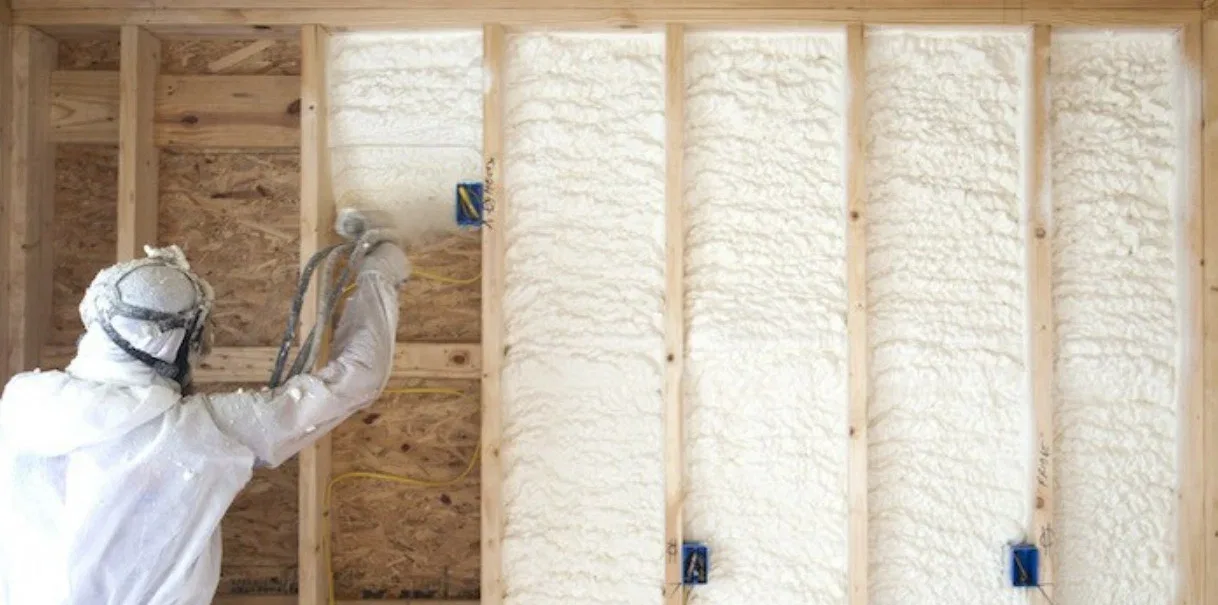
Installing open cell spray foam attic insulation is one of the fastest ways to lower the temperature of your upper floor and reduce how long your air conditioner runs. By creating a continuous air barrier directly against the roof deck, this material prevents extreme heat from entering the attic space. This shifts the thermal boundary of your home from the ceiling to the roofline, keeping the attic within a few degrees of your living area.
Modern building science confirms that traditional insulation often fails in desert environments because it only slows down heat transfer but does not stop air movement. When you choose open cell spray foam attic insulation, you stop the attic from acting like a massive radiator that bakes your home long after the sun goes down. This article provides a technical look at how this material stabilizes indoor climates during 110-degree days based on years of industry field data.
The thermal physics of desert attic heat
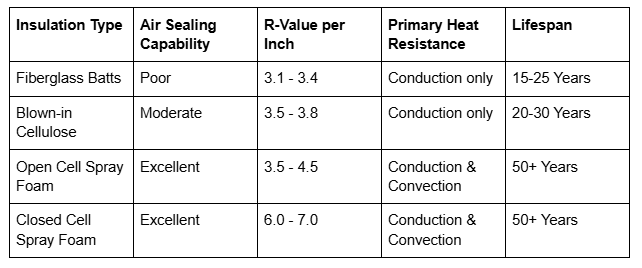
In a typical desert home, attic temperatures often reach 150 degrees or higher during July and August. This heat eventually pushes through drywall and light fixtures into your rooms. Standard fiberglass batts or blown-in cellulose are porous, meaning they allow hot air to circulate through them. This convection allows heat to bypass the insulation entirely.
Using heat-blocking attic insulation changes this dynamic by filling every crack and crevice where air might leak. This material expands to over 100 times its liquid volume upon application. This expansion fills the gaps around wiring, plumbing stacks, and top plates that usually let cold air out and hot air in.
Why reducing HVAC runtime with spray foam matters
When your attic is cooler, your air conditioner does not have to work as hard to maintain your thermostat settings. Most air conditioners in desert regions are forced to run for 15 to 20 hours a day during heat waves. This constant operation leads to mechanical wear and shortened equipment life.
By stabilizing the temperature, you see a significant result in reducing HVAC runtime with spray foam. The system cycles on less frequently and stays off longer because the house retains its cool air more effectively. This reduction in cycles preserves the compressor and the fan motor, extending the time before you need an expensive replacement.
Comparison of common attic insulation types
How energy-efficient spray foam insulation lowers costs
Utility rates often spike during the summer months due to peak demand pricing. Homeowners who invest in energy-efficient spray foam insulation typically see a drop in their monthly consumption. Because the air conditioner runs for shorter periods, the total kilowatt-hour usage decreases.
The financial benefit is not just about the monthly bill. It is also about the size of the equipment you need. Homes with superior insulation can often use smaller, less expensive HVAC units when it comes time to replace the old system. This is a primary factor in cooling cost reduction insulation strategies for long-term property management.
Managing attic temperatures in extreme environments
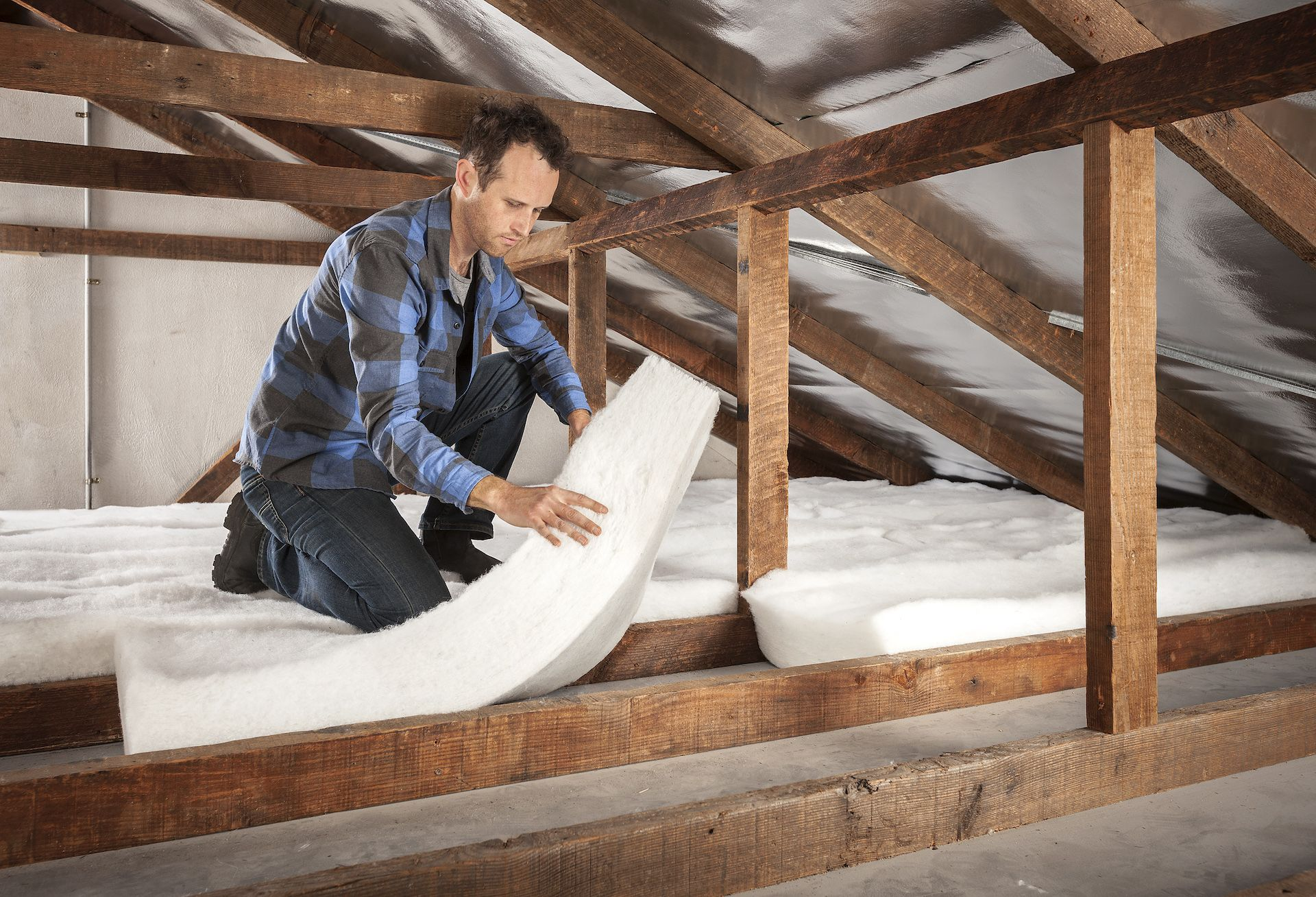
Desert heat is unique because of the intense solar radiation. Roof shingles can reach temperatures that would burn skin instantly, and this heat radiates downward into the attic. Traditional systems try to vent this heat through ridge or gable vents, but those vents also let in dusty, hot desert air.
Using spray foam for attic temperature control involves sealing those vents and making the attic a conditioned space. This means the air in your attic is filtered and cooled just like the air in your bedroom. This prevents the "oven effect" that typically occurs in vented attics, where heat builds up with no way to escape.
HVAC efficiency improvement solutions for older homes
Older homes in desert cities often have undersized ductwork or aging air conditioners that struggle with the heat. Adding more of the same traditional insulation usually does not solve the problem because the air leaks remain. High-quality HVAC efficiency improvement solutions focus on the building envelope first.
When you seal the attic, you protect the ductwork. In many homes, the ducts run through the hot attic. If the attic is 150 degrees, the cold air inside the ducts warms up before it even reaches your rooms. Keeping the attic at 80 degrees ensures the air coming out of your vents stays crisp and cold.
Insulation for extreme summer heat and humidity
While desert heat is usually dry, late summer monsoons can bring humidity that makes the air feel much heavier. Standard insulation can hold moisture, which reduces its effectiveness and can lead to mold issues. Insulation for extreme summer heat needs to be able to handle these shifts in moisture without degrading.
Open-cell foam allows the house to breathe while still blocking the bulk movement of air. It does not trap moisture against the wood rafters, which protects the structural integrity of your roof. This balance is necessary for maintaining a healthy indoor environment when the weather outside is unpredictable. Achieving these results requires a professional installation process, as detailed in the following section.
What to expect from residential attic spray foam services
When you hire residential attic spray foam services, the process begins with a thorough inspection of your existing setup. Professionals will check for any roof leaks or electrical issues before starting. The application itself is fast, often completed in a single day for most standard homes.
Technicians use specialized equipment to mix two liquids that react and expand on contact with the roof deck. They focus on achieving a specific thickness to meet local energy codes. This process is much cleaner than blown-in options, which can create dust that enters your living space through the vents.
Finding desert climate insulation solutions that last
Not all materials perform well when the ground temperature hits 120 degrees. You need desert-climate insulation solutions that do not shrink or lose their shape over time. Open cell foam remains flexible, allowing it to move with the natural expansion and contraction of your home as it heats and cools each day.
Bonus Tip: Before having foam installed, ensure your attic is cleared of old debris and unused items. A clean surface allows the foam to bond perfectly to the wood, ensuring the air seal remains intact for decades.
Steps to take before choosing an insulation provider
- Verify the contractor has specific experience with desert climate challenges.
- Ask for a thermal imaging report to see where your current heat loss is occurring.
- Ensure the company uses high-grade materials that are fire-rated for residential use.
- Check that the installers are certified by the material manufacturer.
- Compare the long-term energy savings against the initial installation cost.
How lowering energy bills with spray foam impacts home value
Energy efficiency is a major selling point in the real estate market. Buyers are increasingly looking for homes that have low operating costs. Demonstrating that you have used lowering energy bills with spray foam as a home improvement strategy can increase your resale value. It shows that the home has been maintained with modern technology.
Lowering the load on your cooling system
Every minute your air conditioner is off is money saved and life added to your machine. Open cell spray foam attic insulation acts as a shield that keeps the heavy lifting of cooling to a minimum. It is a one-time upgrade that provides protection for the life of the structure without requiring maintenance or top-offs like loose-fill products.
Bonus Tip: Consider adding a smart thermostat alongside your new insulation. The thermostat can learn the new, slower heating patterns of your home and optimize the cooling cycles for even better efficiency.
Evaluating your specific home needs
Every home has a different layout and different sun exposure. South-facing roofs take a much harder beating from the sun than north-facing ones. Professional installers can vary the thickness of the application to account for these "hot spots," ensuring your entire home stays at a consistent temperature regardless of which way the wind blows.
Work with a professional for your home cooling needs
If you are tired of a hot upstairs and high utility bills, it is time to look at professional solutions. Supreme Spray Foam LV provides expert services to help you manage your home environment. You can reach them at (702) 904-9895 or via email at [email protected] to discuss how open-cell spray foam attic insulation can help your property. They offer a range of services, including Attic Insulation, Spray Foam Repairs, and Wall Insulation for both residential and commercial needs. Getting a free quote is a simple way to see how much you could save on your monthly cooling costs. For more details on their location and service area, you can view their map at https://goo.gl/maps/bZBLRsqDDbUC4KaJ8 to see how they serve the local community.
Frequently asked questions about attic spray foam
How long does the installation process take for a standard attic?
Most residential attic projects are completed within four to eight hours. The size of the attic and the amount of prep work required, such as removing old insulation, will determine the exact timeframe. You can usually return home shortly after the application is finished.
Does open-cell foam emit a strong odor after it is installed?
There is a brief period during the application and curing process where a scent is present. However, with proper ventilation during the install, this dissipates very quickly. Within 24 hours, most homeowners notice no scent at all, leaving only a cooler and quieter home.
Will this insulation help reduce outside noise from wind or traffic?
Yes, the dense and expansive nature of the foam makes it an excellent sound dampener. It fills gaps that let in noise, making your indoor environment much quieter than it would be with traditional fiberglass or cellulose products.
Can I install open-cell spray foam over my existing insulation?
While it is possible in some cases, it is generally recommended to remove old, dusty insulation first. This allows the foam to adhere directly to the structure and ensures that no trapped allergens or old debris remain in your newly sealed attic space.
Is open-cell spray foam safe for my roof shingles?
Extensive research shows that spray foam applied to the underside of the roof does not significantly increase shingle temperature. The color of your shingles and the direction of the sun have a much larger impact on shingle life than the insulation underneath.