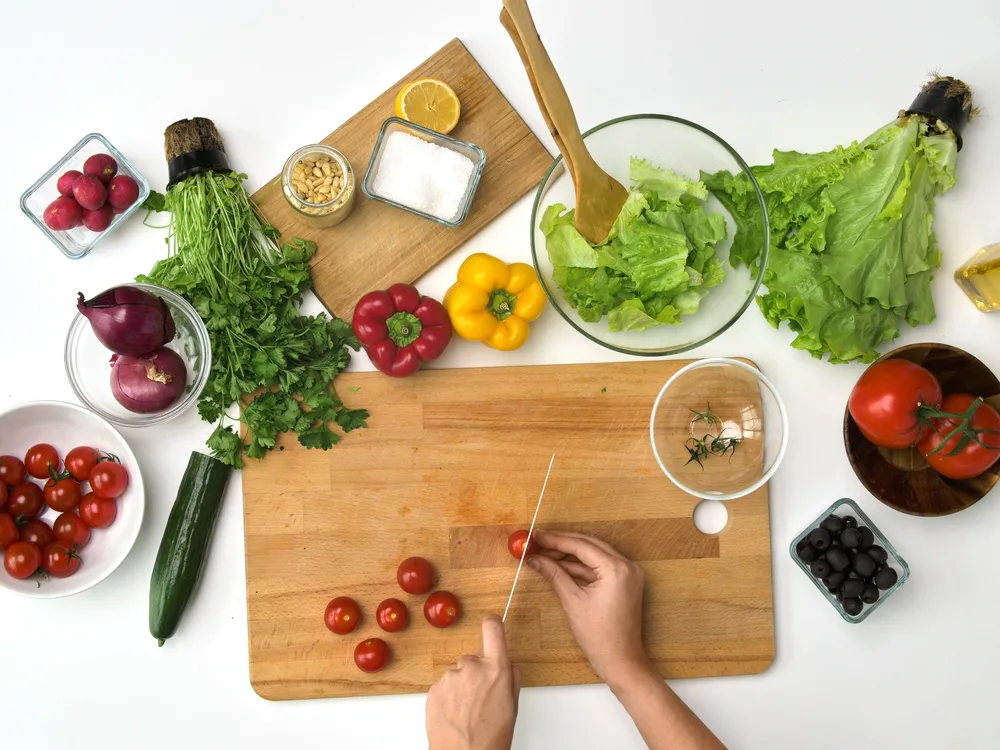
A cutting board is one of the most frequently used tools in any kitchen, making proper cleaning essential for food safety. Whether you're preparing fresh vegetables, fruits, cooked foods, or raw meat, bacteria can easily transfer from one ingredient to another if the board isn't cleaned correctly. Establishing good cleaning habits helps reduce the risk of cross-contamination and keeps your kitchen more hygienic.
Using quality Cutting Boards for Kitchen is only part of maintaining a safe food preparation area. Regular cleaning and proper disinfection help remove bacteria, food residue, and odors while extending the life of your cutting board and protecting the food you prepare.
Clean After Every Use
Your cutting board should be washed immediately after each use, even if you've only sliced fruits or vegetables.
Basic cleaning steps include:
- Rinse away loose food particles.
- Wash with warm water and dish soap.
- Scrub the entire surface thoroughly.
- Rinse well.
- Dry completely before storing.
Prompt cleaning prevents residue from drying onto the surface and reduces bacterial growth.
Disinfect After Preparing Raw Foods
Whenever a cutting board is used for raw meat, poultry, seafood, or eggs, disinfecting is especially important.
You can disinfect by:
- Using a food-safe sanitizing solution.
- Applying diluted white vinegar for light sanitation.
- Following manufacturer recommendations for your cutting board material.
Always allow the board to dry completely before using it again.
Prevent Cross-Contamination
Using separate cutting boards for different food types is one of the simplest ways to improve kitchen hygiene.
Consider using dedicated boards for:
- Raw meat
- Poultry
- Seafood
- Fruits and vegetables
- Bread and ready-to-eat foods
This practice helps reduce the spread of harmful bacteria.
Inspect Your Cutting Board Regularly
Deep knife grooves and cracks can trap bacteria that are difficult to remove through normal washing.
Following proper Cutting Board Cleaning Tips includes checking your board regularly for:
- Deep cuts
- Splits or cracks
- Warping
- Persistent stains
- Lingering odors
If significant damage develops, replacing the cutting board may be the safest option.
Remove Stains and Odors Naturally
Over time, cutting boards may develop stains or absorb food odors.
To freshen your board:
- Sprinkle baking soda before scrubbing.
- Rub with lemon to help remove odors.
- Wash thoroughly afterward.
- Dry completely before storing.
Regular maintenance helps keep your cutting board looking and smelling clean.
Store It Properly
Proper storage is just as important as cleaning.
For best results:
- Store the board upright when possible.
- Keep it in a dry, well-ventilated area.
- Avoid leaving it in standing water.
- Ensure it's completely dry before storing.
Good storage habits help reduce moisture buildup and prolong the board's lifespan.
Frequently Asked Questions
How often should I clean my cutting board?
You should wash your cutting board after every use to remove food residue and reduce the risk of cross-contamination.
When should I disinfect a cutting board?
Disinfect it after preparing raw meat, poultry, seafood, or eggs, and anytime contamination is suspected.
Can I use the same cutting board for meat and vegetables?
It's safer to use separate cutting boards to minimize the risk of transferring bacteria between foods.
When should I replace a cutting board?
Replace it if it develops deep grooves, cracks, warping, or damage that cannot be cleaned thoroughly.
Conclusion
Cleaning and disinfecting your cutting board regularly is one of the easiest ways to maintain a safer kitchen. By washing it after every use, disinfecting after handling raw foods, inspecting it for damage, and storing it properly, you can improve food safety while extending the life of this essential kitchen tool.