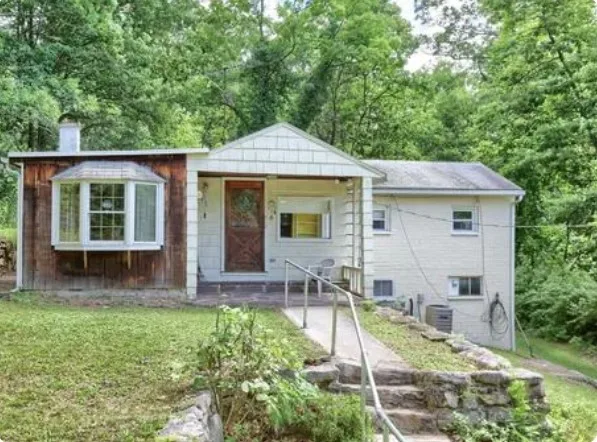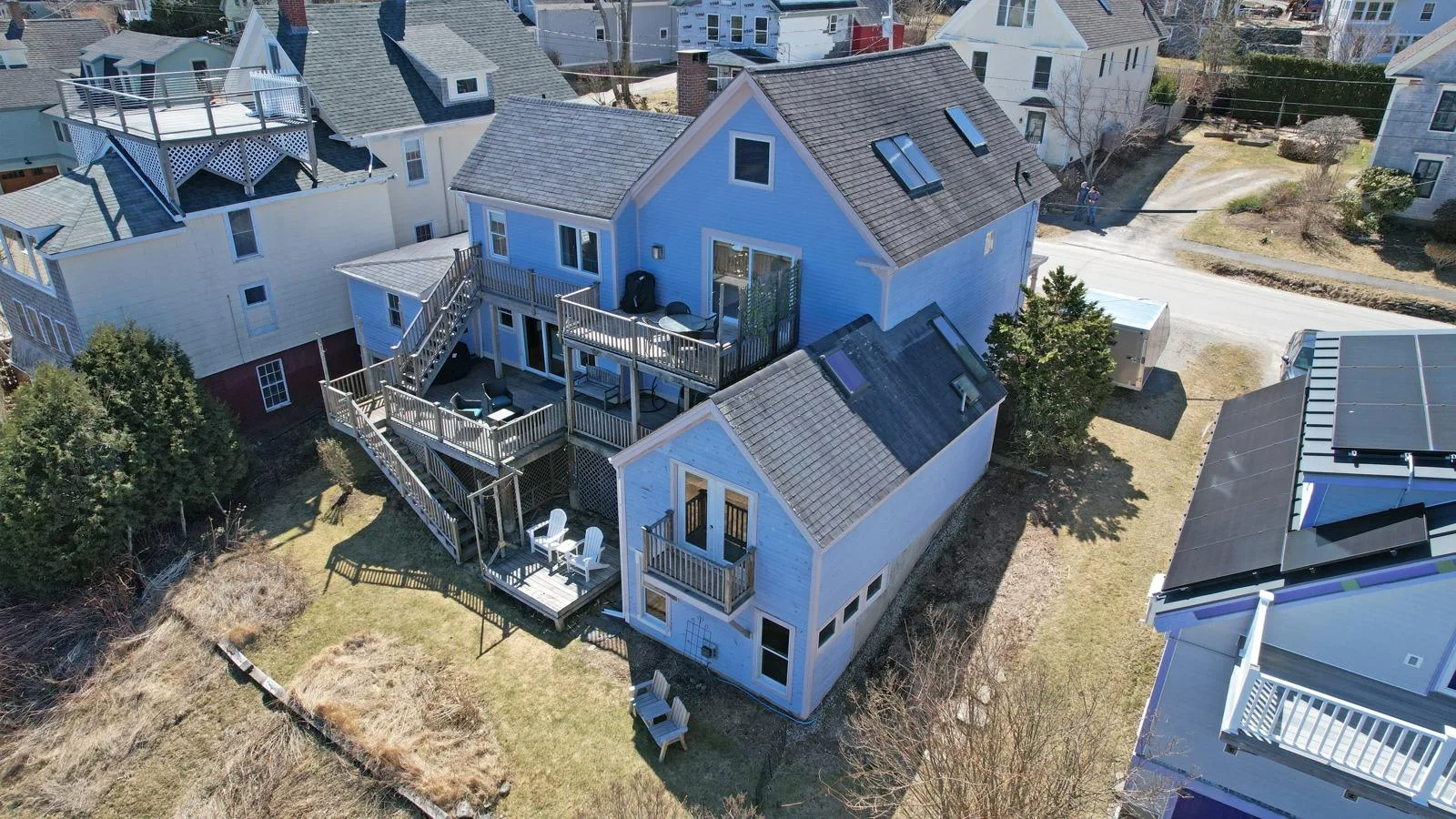
A second home is generally purchased for personal use, occasional holidays or independent rental income. The owner is usually responsible for furnishing, maintenance, security, repairs, tenant management and other everyday expenses. A managed resort villa follows a different structure because the property may operate as part of a larger hospitality development.
Depending on the executed agreements, a professional team may manage eligible units, guest services, maintenance, marketing and applicable resort operations. Owners may also receive defined personal stays or other privileges. These features can make a Resort Villa Investment in Jaipur attractive to buyers who want property ownership without independently operating a holiday home.
However, resort-based ownership involves specific legal, operational and financial conditions. Buyers should understand these conditions before comparing the model with an ordinary residential property.
Quick Answer: What Is the Main Difference?
The main difference is the way the property is used and managed.
A conventional second home is normally controlled and maintained directly by its owner. The owner decides when to occupy it, whether to rent it and who will manage tenants or guests.
A managed resort villa may form part of a hospitality business. The resort operator may use an eligible unit for guest accommodation and handle related services according to the management agreement. The owner’s personal usage, maintenance responsibilities and financial benefits may therefore be governed by predefined terms.
Neither model is automatically better. The right choice depends on the buyer’s purpose, preferred level of control, financial capacity and willingness to accept hospitality-related conditions.
How Does Conventional Second-Home Ownership Work?
A conventional second home may be purchased as a weekend residence, future retirement property, family holiday home or rental asset.
The owner usually manages:
- Furnishing and interior maintenance
- Cleaning and housekeeping
- Security arrangements
- Utility connections and bills
- Repairs and replacements
- Tenant or guest enquiries
- Rental pricing
- Booking management
- Local taxes and other charges
- Periods when the property remains vacant
This model provides greater personal control, but it also requires time and management. If the owner lives in another city, a caretaker, property manager or rental platform may be required.
Rental income is not automatic. It depends on location, local demand, property condition, marketing, pricing and the owner’s ability to manage guests.
How Does a Managed Resort Villa Model Work?
In a managed model, an eligible villa or room may become part of a professionally operated resort. The hospitality team may take responsibility for applicable services, including reservations, guest support, housekeeping, common-area maintenance and property marketing.
The exact arrangement differs from project to project. Some models may place individual units into a common inventory, while others may calculate revenue or benefits differently.
A buyer must check:
- Whether participation in resort operations is compulsory
- Who controls room pricing
- How guest bookings are allocated
- Whether all units receive equal booking opportunities
- How operational income is calculated
- Which expenses are deducted
- How often financial statements are provided
- Whether owners can audit the accounts
- How personal stays are reserved
- What happens if the management operator changes
The management agreement is therefore as important as the property-purchase agreement.
What Does Sonagarh Fort Resort Propose?
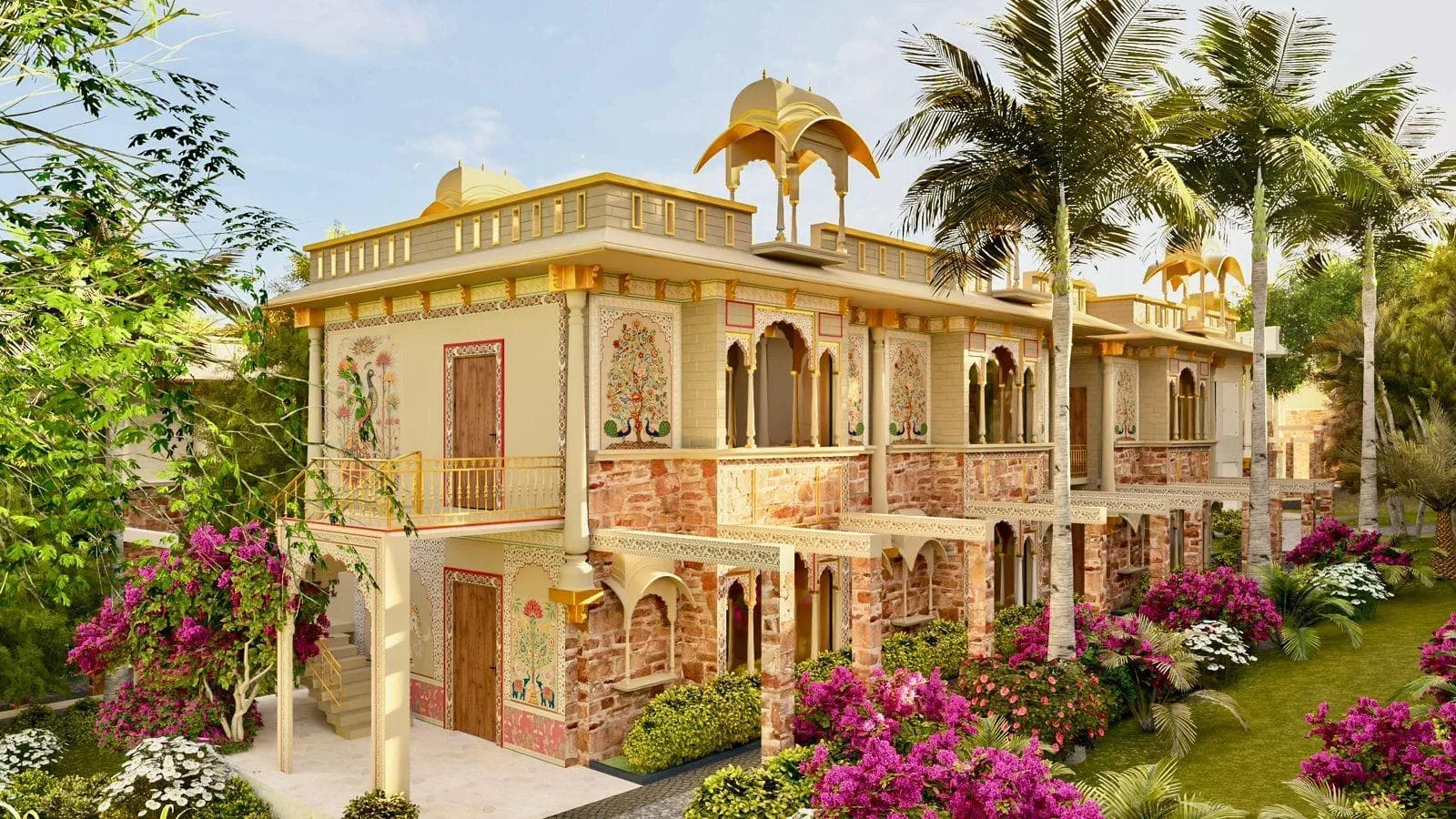
Sonagarh Fort Resort presents a nature-inspired resort villa ownership concept near Jaipur. According to its website, the proposed development combines Rajasthani architectural character, landscaped surroundings, modern comfort and professional hospitality management.
The website currently presents five ownership categories ranging from a 450 sq. ft. Deluxe Palace Room to a 1,300 sq. ft. Residential Mansion Suite. It also mentions eligible personal stays, service discounts, wedding privileges, return-related benefits and participation in a profit-sharing model.
These details describe the advertised project concept. The precise rights and benefits available to an individual buyer will depend on the selected category and executed legal agreements.
Prospective buyers should request the latest brochure, cost sheet, floor plan, RERA information and unit-specific terms before making a payment.
Does Professional Management Remove Every Owner Responsibility?
Not necessarily. Professional resort management may reduce the owner’s day-to-day involvement, but some costs and responsibilities may remain with the owner.
Depending on the agreement, an owner may still be responsible for:
- Maintenance fees
- Management charges
- Insurance
- Property taxes
- Major repairs
- Furniture replacement
- Periodic renovation
- Utility expenses
- Damage not covered by resort operations
- Statutory payments
Buyers should request a clear division of responsibilities between the owner, promoter and resort operator. The agreement should explain who pays for ordinary maintenance, emergency repairs and future refurbishment.
This becomes especially important in hospitality properties because rooms, furniture and equipment may experience regular guest use.
How Much Control Does an Owner Retain?
The level of control depends on the project documents.
In a conventional second home, the owner usually decides when and how the property will be used. In a managed resort development, personal usage may be subject to annual limits, advance reservations, blackout dates or availability conditions.
Buyers should clarify:
- How many personal-use nights are provided
- Whether stays are complimentary or involve service charges
- Whether weekends and public holidays are included
- Whether blackout dates apply
- How far in advance booking is required
- Whether unused nights carry forward
- Whether family members may use the benefit
- Whether stays can be exchanged across room categories
- Whether owners may independently rent the property
Personal-stay rights should be written clearly in the agreement rather than described only in a sales presentation.
How Should Financial Benefits Be Compared?
A conventional second home may generate rent, but income can fluctuate according to occupancy, local demand and management quality. A resort villa may offer a defined return, profit sharing or both, depending on the project structure.
The Sonagarh website advertises an annual-return benefit and a profit-sharing model. Buyers should treat these as claims requiring detailed contractual verification.
For any return-related offer, ask:
- Which amount is used to calculate the return?
- When will payments begin?
- How long will they continue?
- Which entity is responsible for payment?
- Are returns linked to construction or possession?
- Are taxes deducted?
- What happens if a payment is delayed?
- Does the benefit survive a transfer of ownership?
- Is it separate from profit sharing?
- Can any term be modified later?
An advertised percentage cannot be properly assessed without understanding its calculation, duration, conditions and payer.
What Is Profit Sharing in a Resort Project?
Profit sharing generally means that an owner receives a defined share linked to the resort’s operational performance. However, the phrase can represent different calculations.
The buyer should determine whether the benefit is based on gross revenue, net revenue, operating profit or final profit after expenses.
Operating costs may include:
- Employee salaries
- Utilities
- Housekeeping
- Food and beverage operations
- Booking-platform commissions
- Marketing expenses
- Repairs and maintenance
- Insurance
- Taxes
- Management fees
- Furniture replacement
- Administrative costs
The agreement should define all deductions and explain how frequently the owner receives reports and payments.
Profit sharing should not be treated as guaranteed income because resort performance may change according to occupancy, room rates, competition, operational expenses and market conditions.
Why Is the Resort Operator Important?
A hospitality project depends on more than its architecture and location. The resort operator influences guest experience, pricing, marketing, maintenance and operational efficiency.
Before selecting a Managed Resort Property in Jaipur, buyers should examine:
- Identity of the proposed operator
- Experience of the management team
- Scope of management responsibilities
- Duration of the operating agreement
- Performance-reporting system
- Owner communication process
- Maintenance standards
- Marketing strategy
- Procedure for replacing the operator
- Consequences if operations are delayed
A professionally designed project may still underperform if operations, service quality or marketing are weak. The management structure should therefore be evaluated alongside the real estate.
How Is Personal Enjoyment Different in Both Models?
A private second home gives the owner greater freedom to visit at any time, subject to practical availability. The family may personalise the interiors, keep belongings at the property and use it for extended periods.
A resort villa may offer a more service-oriented experience. Housekeeping, dining, recreational areas and hospitality assistance may be available, depending on the project’s completion and operating structure. However, the owner may have less flexibility regarding personal occupancy.
Buyers must decide which benefit matters more:
- Greater control and unrestricted personal use
- Professionally managed, hospitality-based usage
- Potential rental flexibility
- Resort facilities and services
- Reduced personal management
- Defined owner privileges
The answer may differ for each family.
What Should Buyers Verify About the Project?
Anyone considering a Luxury Resort Project in Jaipur should complete legal and financial due diligence instead of relying only on design images or projected facilities.
Important checks include:
RERA Details
Search the official Rajasthan RERA portal and match the project name, promoter, location, registration number, approved plans and declared completion schedule.
Property Title
Ask an independent lawyer to examine ownership documents, title continuity, encumbrances and development rights.
Unit Details
Confirm the exact unit number, area, layout, specifications, ownership rights and permitted use.
Project Timeline
Check the construction schedule, payment milestones, possession conditions and remedies for delay.
Operating Structure
Review the management agreement, owner responsibilities, operational deductions and reporting system.
Benefit Terms
Obtain written terms for returns, profit sharing, personal stays, discounts and wedding privileges.
Total Cost
Calculate the base price, taxes, registration expenses, maintenance deposits, management charges and recurring costs.
Are Complimentary Stays Completely Free?
Not always. “Complimentary” may refer to room usage while food, services, taxes or other charges remain payable.
The Sonagarh website refers to eligible complimentary nights. Buyers should verify:
- Number of nights available
- Eligible room category
- Validity period
- Blackout dates
- Advance-booking requirement
- Availability conditions
- Food charges
- Housekeeping or service fees
- Taxes
- Transferability to family members
The personal-stay benefit should be assessed according to how realistically the owner can use it. A large number of nights may provide limited value if important dates are excluded or reservations depend entirely on low occupancy.
Can a Managed Villa Appreciate in Value?
It may appreciate, remain stable or decline. Future property value cannot be guaranteed.
Appreciation may depend on:
- Legal clarity
- Project completion
- Construction quality
- Location and access
- Nearby development
- Resort performance
- Market demand
- Maintenance standards
- Resale restrictions
- Availability of buyers
- Overall economic conditions
Buyers should not base the entire purchase decision on projected appreciation. They should also examine present value, total acquisition cost, recurring expenses and possible resale procedures.
Which Model May Suit Different Buyers?
A conventional second home may be more suitable for someone who wants greater control, frequent personal use and the freedom to manage rentals independently.
A managed resort villa may be considered by someone who values hospitality services, defined owner privileges and reduced involvement in everyday property operations.
Before choosing either model, buyers should ask themselves:
- Is this primarily for personal use or investment?
- How often will my family visit?
- Do I want to manage rentals?
- Can I accept restrictions on personal stays?
- Have I calculated recurring costs?
- Do I understand the income model?
- Can I hold the property for the long term?
- Am I financially prepared if projected benefits are delayed?
These questions help align the property structure with the buyer’s actual objectives.
Final Thoughts
A managed resort villa and a conventional second home serve different purposes. One generally provides greater personal control, while the other may combine ownership with professional hospitality operations and defined lifestyle privileges.
Sonagarh Fort Resort presents a distinctive ownership concept involving multiple unit categories, resort management, personal stays and proposed financial benefits. Its suitability cannot be determined through promotional claims alone.
Before investing, buyers should independently verify RERA information, ownership documents, management conditions, benefit calculations, recurring charges and personal-use rules. Independent legal and financial advice can help buyers understand whether the project’s documented structure fits their financial goals, preferred level of control and expectations from a holiday property.