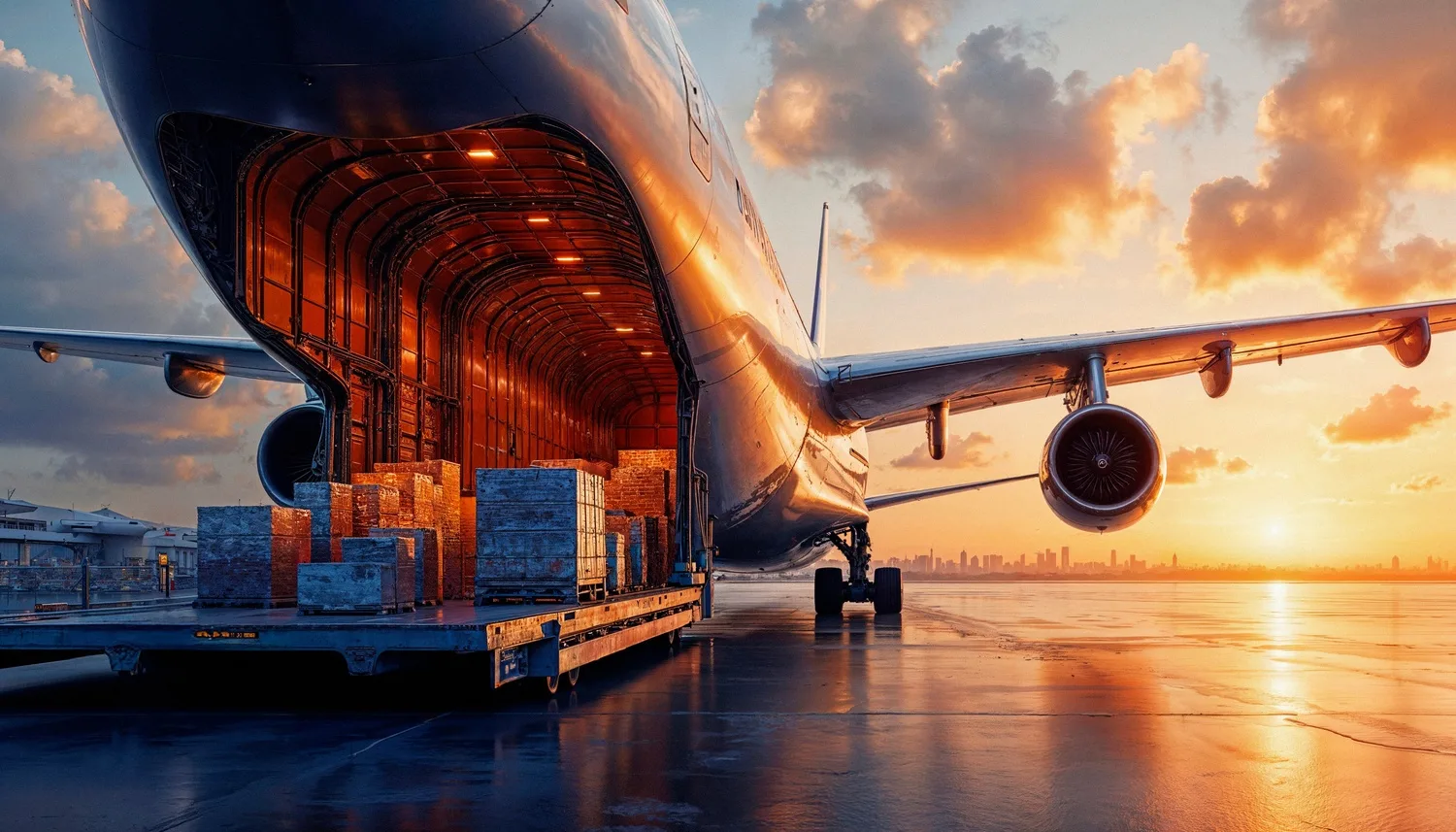
International trade has become an important growth opportunity for Indian businesses of all sizes. From handicrafts and textiles to food products, pharmaceuticals, engineering goods, electronics, and e-commerce products, Indian exporters are increasingly serving customers in international markets. However, producing a quality product is only one part of successful exporting. Businesses also need an efficient logistics system to move products safely, quickly, and cost-effectively across borders.
International logistics connects Indian exporters with customers, distributors, retailers, and business partners around the world. It covers transportation, packaging, documentation, customs clearance, warehousing, shipment tracking, and final delivery. When these processes work together efficiently, businesses can expand into new markets while maintaining better control over their costs and customer experience.
Understanding the Role of International Logistics
International logistics refers to the planning and management of goods as they move from one country to another. For an Indian exporter, this may involve collecting products from a manufacturing facility, transporting them to an airport or seaport, completing export customs procedures, arranging international transportation, clearing customs in the destination country, and delivering the shipment to the buyer.
The process becomes more complex when businesses operate across multiple countries because every market can have different customs requirements, import regulations, taxes, product restrictions, and documentation standards.
A well-planned logistics system helps exporters coordinate these activities and reduce unnecessary disruptions.
Expanding Access to Global Markets
One of the biggest advantages of international logistics is that it allows Indian businesses to reach customers beyond their domestic market.
European countries, the Middle East, Asia-Pacific, and other regions represent opportunities for Indian exporters. Depending on the product and destination, businesses may use express courier services, air freight, sea freight, or specialised cargo solutions.
For example, businesses targeting European customers may require courier to europe from india, india to europe courier service, or send parcel to europe from india for smaller and time-sensitive shipments.
Similarly, exporters serving other international destinations may require solutions such as india to solomon islands courier service, courier from india to solomon islands, courier from india to papua new guinea, and courier from india to turkey.
Reliable logistics makes it easier for businesses to test new markets without having to establish physical operations in every country.
Supporting E-Commerce Growth
The expansion of international e-commerce has created new opportunities for Indian businesses. Small manufacturers, artisans, online retailers, and niche product sellers can now reach customers in countries that were previously difficult to serve.
However, international e-commerce depends heavily on dependable delivery.
Customers expect:
- Accurate delivery estimates
- Secure packaging
- Shipment tracking
- Clear customs procedures
- Reliable final-mile delivery
- Reasonable shipping costs
An efficient logistics system can therefore become an important part of an export business's overall customer experience.
Reducing Transportation Challenges
International transportation involves multiple stages and potential risks. Shipments can be delayed because of customs inspections, incorrect documentation, weather conditions, transportation capacity, or regulatory issues.
Businesses can reduce these challenges by selecting transportation methods according to shipment characteristics.
Air freight may be appropriate for urgent or high-value products, while sea freight can be more economical for large commercial shipments.
For smaller shipments, courier solutions can provide convenient international transportation. For larger shipments, exporters may consider a door to door cargo service that coordinates several stages of the logistics process.
Improving Customs Compliance
Customs clearance is one of the most important elements of international exporting.
Exporters need to provide accurate information about:
- Product description
- Quantity
- Value
- Country of origin
- HS code
- Packaging
- Intended use
- Recipient details
Incorrect or incomplete information can cause delays, additional inspections, or unexpected charges.
International logistics providers can help exporters understand documentation requirements and prepare shipments for customs processing. However, businesses remain responsible for ensuring that their declarations and commercial documents are accurate.
Supporting Import and Reverse Logistics
International logistics is not limited to exports. Indian businesses may also need to receive raw materials, product samples, equipment, or returned goods from overseas suppliers and customers.
For example, businesses may require shipping from europe to india, courier from europe to india, norway to india courier service, or courier from norway to india when receiving goods or documents from European partners.
Other international routes can include greece to india courier service, courier from greece to india, finland to india courier service, lithuania to india courier service, latvia to india shipping, latvia to india courier service, and courier from latvia to india.
Efficient import logistics can help businesses maintain production schedules and manage international supplier relationships more effectively.
Facilitating Trade with Europe
Europe is an important destination for many Indian products, including textiles, food products, pharmaceuticals, engineering goods, jewellery, handicrafts, and technology-related products.
Indian exporters entering European markets need to understand the regulations applicable to their specific products.
Businesses may use india to latvia courier service, india to estonia courier service, courier from india to estonia, or india to scotland shipping, depending on their target market.
Successful European exporting requires more than transportation. Product compliance, labeling, documentation, taxation, and customs requirements must also be considered.
Strengthening Trade with the Middle East and GCC
The Middle East is another significant market for Indian exporters. Indian businesses supply products ranging from food and clothing to machinery, consumer products, and industrial materials.
Exporters may need india to middle east courier service, india to gulf countries courier, india to gcc courier service, or courier from india to gcc countries depending on the destination.
Because regulations differ between individual countries, exporters should research the specific import requirements before shipping.
Supporting Specialised Cargo
Not every export shipment can be handled like an ordinary parcel. Some products require specialised logistics arrangements.
For example, certain regulated materials may require a dangerous goods shipping service or dangerous goods delivery services. Such shipments can require specialised packaging, labeling, documentation, and transportation procedures.
Similarly, businesses involved in food exports may need international food courier services or international courier services for food items. Food shipments can be subject to regulations relating to ingredients, labeling, packaging, shelf life, and import permissions.
Understanding these requirements before dispatch can help prevent avoidable customs problems.
Helping Businesses Manage International Relocation and Baggage
Although commercial exports are a major part of international logistics, specialised logistics also supports individuals and businesses relocating internationally.
Companies transferring employees overseas may require international relocation shipping for household goods and personal belongings.
Students and professionals may also use an unaccompanied baggage service when they need to transport luggage separately from their flight.
These services demonstrate how international logistics extends beyond conventional commercial freight.
Creating Better Cost Control
Shipping costs can significantly influence an export business's profitability.
International logistics costs may depend on:
- Actual shipment weight
- Volumetric weight
- Transportation mode
- Destination
- Fuel charges
- Customs duties
- Packaging
- Insurance
- Delivery speed
Businesses can improve cost control by consolidating shipments, selecting appropriate packaging, comparing transportation methods, and planning dispatch schedules.
For example, sending every shipment through an express service may not be economical for non-urgent products. Conversely, choosing the cheapest transportation option for time-sensitive goods could negatively affect customer satisfaction.
The objective should be to find the right balance between cost, speed, reliability, and product requirements.
Improving Customer Satisfaction
For export businesses, delivery is part of the customer experience.
Even an excellent product can receive negative feedback if it arrives late, damaged, or without adequate tracking information.
Reliable logistics helps exporters provide:
- Shipment visibility
- Predictable delivery timelines
- Secure transportation
- Professional packaging
- Better communication
- Efficient issue resolution
This becomes particularly important for businesses selling directly to international consumers.
Supporting Local Indian Exporters
International logistics also helps businesses located outside India's largest metropolitan areas participate in global trade.
For example, businesses searching for international courier services in amritsar can potentially access international shipping infrastructure without relocating their operations to a major commercial centre.
Regional manufacturers, artisans, retailers, and small businesses can therefore use international logistics to connect with overseas customers and distributors.
How Exporters Can Improve Their Logistics Strategy
Indian exporters can strengthen their international logistics operations by following several practical principles.
1. Understand Destination Regulations
Before accepting an international order, research the destination country's import requirements and product restrictions.
2. Prepare Accurate Documentation
Ensure invoices, packing lists, customs declarations, and other required documents contain consistent and accurate information.
3. Select the Right Transportation Mode
Choose air courier, air freight, or sea freight based on urgency, shipment size, product type, and budget.
4. Invest in Suitable Packaging
Packaging should protect the product throughout handling, transportation, customs inspection, and final delivery.
5. Use Shipment Tracking
Tracking allows businesses to identify potential delivery issues and keep customers informed.
6. Plan for Customs
Exporters should understand the possibility of inspections, duties, taxes, and additional documentation requirements.
7. Review Shipping Performance
Businesses should periodically evaluate delivery times, shipping costs, damage rates, customer complaints, and customs delays.
The Importance of Reliable Logistics for Long-Term Export Growth
International logistics should not be viewed merely as a transportation expense. It is an important part of an export business's growth strategy.
A strong logistics system enables businesses to enter new markets, serve international customers, manage inventory, control costs, and build a dependable reputation.
As Indian exports continue to diversify, logistics will remain an important factor in determining how effectively businesses compete in international markets. Companies that understand their shipping requirements, comply with destination regulations, use suitable transportation methods, and maintain accurate documentation are better positioned to build sustainable international operations.
CTA
Take the next step toward stronger global trade by evaluating your international logistics strategy—from customs documentation and secure packaging to destination-specific transportation and final delivery—so your Indian export business can reach international customers with greater efficiency, reliability, and confidence.