Charging into the Future: A Snapshot of Tomorrow's EV Landscape
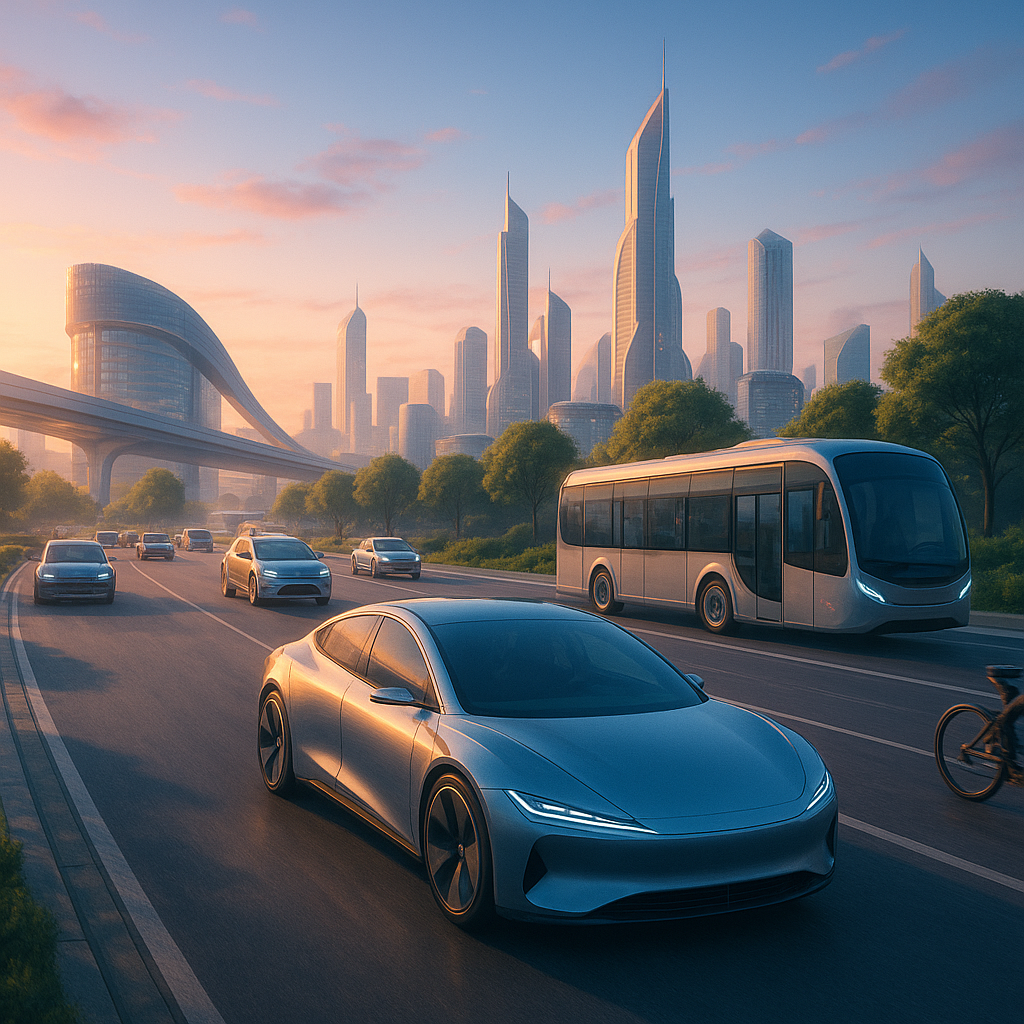
On a brisk spring morning in 2026, a sleek electric SUV quietly glides through the streets of Oslo, Norway. Its battery capacity is nearly double that of EVs sold just three years ago, promising a range of over 600 miles. This is not science fiction; it's the emerging reality of electric vehicles (EVs) on the cusp of mass adoption. The surge in innovation from automakers worldwide is redefining mobility, with a remarkable array of new EV models scheduled to hit the market within the next 12 months. These vehicles are not just about zero emissions—they embody the latest breakthroughs in battery technology, autonomous driving, and sustainable manufacturing.
The transition to electric mobility has accelerated at an unprecedented pace. According to industry estimates, global EV sales surpassed 15 million units in 2025, representing nearly 25% of all new car sales worldwide. Yet, this figure is expected to skyrocket as manufacturers unveil an impressive lineup of vehicles catering to diverse consumer needs, from compact city cars to luxury SUVs and even electric pickup trucks.
This article explores the upcoming wave of electric vehicles set to redefine the automotive landscape, examining their technical advancements, market positioning, and broader implications for sustainability and infrastructure.
Tracing the Electric Revolution: How We Arrived Here
The modern electric vehicle movement traces back over a century but only recently gained commercial momentum. Early EVs suffered from limited range and high costs, but the 2010s marked a turning point. Tesla’s Model S debut in 2012 showcased the viability of long-range, high-performance EVs, sparking a global shift. Governments began introducing stringent emission regulations and generous incentives, catalyzing investment in EV technologies.
By the mid-2020s, battery innovations such as solid-state cells and silicon anode materials dramatically improved energy density and charging speeds. Simultaneously, the expansion of charging networks lowered barriers to adoption. The industry’s trajectory was further accelerated by rising fuel prices and growing consumer environmental consciousness.
Several key milestones shaped this journey:
- 2017: Introduction of affordable mid-range EVs from mainstream automakers.
- 2022: Solid-state battery prototypes showcased promising energy density increases.
- 2024: Major cities worldwide enacted bans on new internal combustion engine (ICE) vehicle registrations.
- 2025: Global EV sales reached record highs, supported by expanding EV infrastructure.
These developments laid the groundwork for the diverse and technologically advanced EV offerings arriving in 2026 and beyond.
Upcoming EV Models: Innovations and Industry Dynamics in 2026
The automotive industry in 2026 is witnessing a remarkable convergence of technology, design, and sustainability. Over 50 new electric models are slated for release this year, spanning multiple segments and price points. Below is a detailed overview of some of the most anticipated vehicles and what they bring to the table.
- Hyundai Ioniq 7 – Targeted at the family SUV market, the Ioniq 7 offers a 350-mile range with ultra-fast 800V charging, reaching 80% battery capacity in under 15 minutes. Hyundai's focus on sustainable materials and advanced driver-assistance systems (ADAS) positions it as a strong contender for 2026.
- Tesla Cybertruck 2.0 – After refining its original design, Tesla’s latest Cybertruck iteration includes enhanced battery chemistry, extending its range to over 700 miles. Its adaptive air suspension and integrated solar panels underline Tesla's commitment to innovation.
- Volkswagen ID.7 – Volkswagen continues its ID series expansion with the ID.7, a sleek sedan boasting a 400-mile range and advanced infotainment features powered by AI-driven personalization.
- Rivian R2 – A more affordable electric pickup, the R2 blends utility and performance with an estimated 300-mile range and a starting price below $40,000, aiming to capture a wider consumer base.
- Nissan Ariya Plus – This extended range version of the Ariya targets comfort and connectivity, featuring V2G (vehicle-to-grid) technology that allows owners to sell electricity back to the grid during peak demand.
What sets these vehicles apart is not just their specs but the integration of new technologies:
- Battery breakthroughs: Solid-state batteries are entering limited production, offering faster charging and greater longevity.
- Autonomous driving: Level 3 and Level 4 capabilities are becoming standard in many models, enhancing safety and convenience.
- Connectivity: Over-the-air updates and AI-powered interfaces improve user experience continuously.
- Sustainable manufacturing: Use of recycled and bio-based materials is becoming a norm rather than exception.
These advances are transforming EVs from niche alternatives to mainstream mobility solutions.
2026 Market Trends: What’s Driving Consumer Demand and Industry Response
Consumer preferences and regulatory landscapes are shaping the EV market in profound ways. Several trends have emerged as pivotal in 2026:
- Affordability and Accessibility: Entry-level EVs are more affordable, aided by battery cost reductions. This democratization is expanding EV ownership beyond early adopters.
- Charging Infrastructure Expansion: Public and private investments have increased charging stations by over 40% globally since 2024, reducing range anxiety.
- Corporate Fleets Go Electric: Major companies are electrifying fleets to meet ESG goals, creating sustained demand for versatile EV models.
- Urban EV Policies: Cities like London, Paris, and San Francisco have implemented low-emission zones and incentives to accelerate EV uptake.
“The transition to electric vehicles is no longer just a trend; it’s an imperative for environmental and economic sustainability,” said Dr. Maria Jensen, an automotive industry analyst.
Market data reveals that in the US alone, EV market share is projected to reach 40% of new vehicle sales by the end of 2026, driven by a combination of consumer incentives and technological improvements, according to estimates from industry watchers.
TheOmniBuzz’s earlier coverage of electric vehicle surges highlights how the next generation of EVs promises not only to meet but exceed consumer expectations in performance and value (Electric Vehicles Surge Forward: What’s Coming to Roads Next).
Expert Insights: Industry Leaders on the EV Horizon
Automotive executives, engineers, and sustainability experts have shared their views on the unfolding EV revolution:
“Battery innovation is the cornerstone of the next decade’s electric vehicle landscape. We’re on the verge of widespread adoption of solid-state batteries, which will redefine range and charging speed,” noted Dr. Rajesh Patel, CTO of a leading battery manufacturer.
Meanwhile, manufacturers emphasize the importance of software and user experience. Autonomous driving features, integrated AI assistants, and personalized interfaces are expected to become standard.
From an industry impact perspective, the shift to EVs is reshaping supply chains, with increased demand for critical minerals like lithium, cobalt, and nickel. Efforts to secure ethical and sustainable sourcing are intensifying, as detailed in TheOmniBuzz’s analysis of future EV sustainability (How Future EVs Will Redefine Driving With Tech and Sustainability).
Experts also warn of challenges:
- Grid capacity: The rapid growth in EV charging requires substantial upgrades to electricity infrastructure.
- Battery recycling: Developing scalable recycling technologies is critical to reduce environmental impact.
- Consumer education: Ensuring buyers understand new technologies and maintenance needs.
Collectively, these insights underscore the multifaceted nature of the EV transition.
Looking Ahead: What to Watch in the Electric Vehicle Space
As the automotive world pivots decisively toward electrification, several future developments warrant close attention:
- Battery Technology Evolution: Solid-state batteries may become mainstream by 2028, offering even higher energy densities and safety improvements.
- Integration of AI and Connectivity: Vehicles will increasingly act as smart devices, interacting with infrastructure and other vehicles for optimized traffic flow and safety.
- Scaling Sustainable Materials: Innovations in bioplastics and recycled metals will reduce the carbon footprint of vehicle production.
- Expansion of Vehicle-to-Grid Systems: V2G technology will allow EVs to stabilize grids and provide owners with new revenue streams.
- Policy and Market Shifts: Nations are expected to tighten ICE bans and introduce new incentives for EV adoption and green manufacturing.
“The next decade will not only see electric vehicles dominate roads but also redefine how we think about energy, mobility, and urban living,” predicts Elena Ruiz, a sustainable transport strategist.
For consumers and industry players alike, staying informed about these trends will be crucial to leveraging opportunities and addressing challenges in the evolving EV ecosystem.
In conclusion, the lineup of electric vehicles arriving soon represents more than a shift in propulsion technology; it heralds a profound transformation in automotive design, user experience, and environmental impact. The momentum is undeniable, and as cities, companies, and individuals embrace electrification, the roads of tomorrow will look—and feel—very different.
For deeper insights on owning and experiencing electric vehicles today, readers may consult Owning Two EVs Changed How I See Driving and Buying Electric Cars, which provides firsthand perspectives on the practicalities of EV ownership.
Additionally, TheOmniBuzz’s comprehensive review of emerging models offers context on what consumers can expect from the next generation of EVs (The Next Generation of Electric Vehicles: What’s Rolling Out Soon).