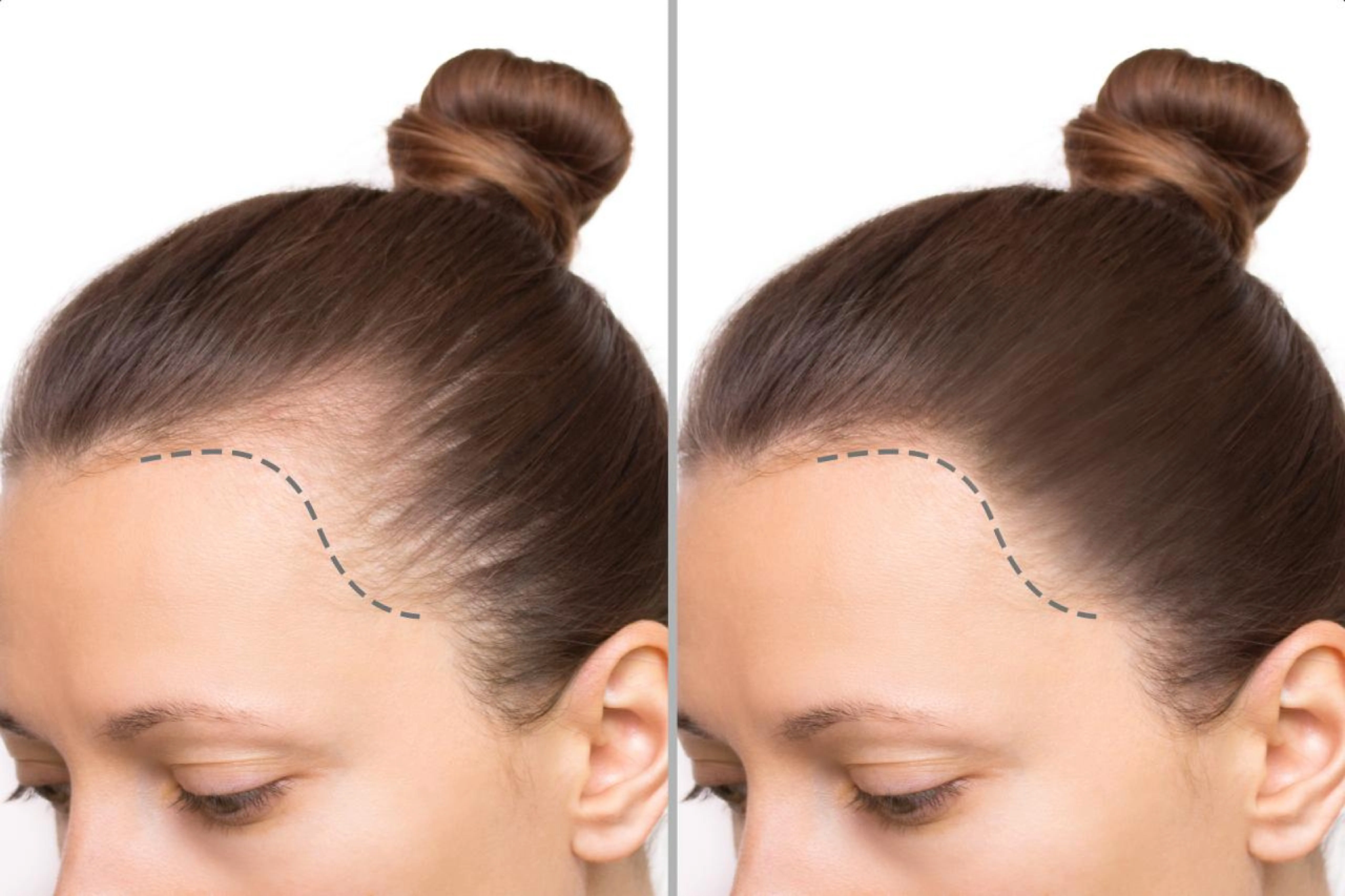
Hair loss, particularly genetic pattern hair loss, is often associated with men, and hair transplant surgery is commonly discussed in this context. However, many women also experience significant hair thinning or localized baldness that can affect their confidence and quality of life. While topical or oral medications and non-surgical hair therapies may help manage hair loss, they may not restore hair in areas where follicles have been permanently damaged or lost.

This leads many women to ask: How effective is hair transplant surgery for female candidates? The answer depends on several factors, including the type and extent of hair loss, the availability of healthy donor hair, scalp condition, overall health, and adherence to post-operative care.
This article explains the effectiveness of hair transplant in Noida, how the procedure works, and which women may be suitable candidates.
Is Hair Transplant an Option for Women With Hair Loss?
Yes, hair transplant surgery can be an option for selected women with hair loss.
The procedure involves transferring healthy hair follicles from a suitable donor area to areas affected by permanent hair thinning or baldness. Hair transplantation is not limited by gender; however, women require careful evaluation because the pattern and causes of female hair loss can differ from those commonly seen in men.
Modern techniques such as Follicular Unit Extraction (FUE) can be used to restore hair in suitable candidates and create a natural-looking hairline or improve hair density. Since FUE involves extracting individual follicular units, it can offer minimal visible scarring and a relatively straightforward recovery when performed by an experienced hair restoration surgeon.
A detailed consultation is essential to determine whether a woman is a suitable candidate for hair transplantation or whether medical treatment should be considered first.
Which Women May Be Suitable Candidates for Hair Transplant Surgery?
Hair transplant surgery may be considered for women who have:
- Localized areas of hair thinning or well-defined baldness
- A widening hair part or specific areas of reduced hair density
- Hairline recession
- Permanent hair loss caused by injury, burns, scars, or traction from tight hairstyles
- A stable pattern of hair loss
- An adequate supply of healthy donor hair
- Good scalp health
- Overall good physical health
- Realistic expectations regarding the procedure and its results
Women with active, widespread hair thinning or an underlying untreated medical condition may need appropriate medical evaluation and treatment before considering hair transplantation.
How Effective Is Hair Transplant Surgery in Female Candidates?
In carefully selected female candidates, hair transplant surgery can provide long-lasting restoration in areas where viable hair follicles are no longer present.
Potential benefits include:
- Long-lasting hair restoration
- Natural-looking hair growth
- Improved hairline design and hair density
- Better facial framing and overall appearance
- Increased confidence and self-esteem
However, results can vary from one patient to another. The outcome depends on the cause and extent of hair loss, donor hair quality and availability, graft characteristics, surgical planning, the technique used, and adherence to recommended aftercare.
When Will Hair Transplant Results Become Visible?
Patience is important after a hair transplant because new hair growth takes time. The transplanted hairs may initially shed as part of the normal post-surgical process before new growth begins.
A typical recovery and growth timeline may include:
- First 2–4 Weeks: Temporary Hair Shedding
Some transplanted hairs may shed during the early recovery period. This does not necessarily indicate that the transplant has failed.
- 3–4 Months: Early Hair Growth
New hair growth may begin to appear, although the initial hairs may be fine and relatively sparse.
- 6–9 Months: Visible Improvement
Hair density and coverage generally become more noticeable as the transplanted hair continues to grow and mature.
- 12–18 Months: Continued Maturation
The outcome can continue to develop as the transplanted hair becomes thicker and more mature. The exact timeline varies between individuals.
Why Proper Diagnosis Matters Before a Female Hair Transplant
Female hair loss can have several possible causes, and not every type of hair loss is best treated with surgery. A proper scalp and hair assessment can help identify whether the hair loss is stable and whether sufficient donor hair is available.
For women with active or diffuse hair loss, addressing the underlying cause and stabilizing hair loss may be more appropriate before considering transplantation.
Conclusion
Hair transplant surgery can be an effective and long-lasting option for carefully selected women with localized or permanent hair loss and a suitable donor area. Proper patient selection, accurate diagnosis, experienced surgical planning, modern techniques, and appropriate aftercare all play important roles in achieving natural-looking results.

If you want to understand whether you are a suitable candidate for a female hair transplant, consult a qualified hair restoration surgeon or dermatologist in Noida at Skinlogics Clinic for a personalized evaluation. The appropriate treatment plan can then be recommended based on your individual hair loss pattern and cause.