

Closed-cell foam insulation for commercial properties provides a high R-value per inch, superior structural reinforcement, and an integrated air and vapor barrier. You gain a durable solution that stops air leakage and resists water absorption in a single application.
This guide explains the technical advantages and long-term financial impacts of choosing high-density foam for your business. Based on years of building science application, these details help you make an informed decision for your facility.
Industrial insulation solutions often require materials that handle extreme temperature swings and heavy-duty environments. Closed-cell foam meets these demands by creating a rigid, dense layer that does not sag or settle over time.

The Core Mechanics of Closed Cell Foam
Closed Cell Foam Insulation consists of microscopic cells that are fully encapsulated and packed tightly together. These cells are filled with a specialized blowing agent that expands the foam and provides its industry-leading insulating power.
Because the cells are hermetically sealed, they do not allow water or air to pass through the material. This structure makes the foam much denser and heavier than open-cell alternatives, providing a reinforced surface that can withstand impacts in a warehouse or shop environment. These qualities make Closed Cell Foam Insulation an excellent choice for buildings that require superior thermal performance, moisture resistance, and added structural strength.
Market data indicates that air leakage accounts for up to 40 percent of a building's energy loss. By using this material, you seal those gaps and cracks that traditional fiberglass batts or cellulose simply cannot reach.
Why Is High-Density Insulation Better for Businesses?
1. Exceptional Energy Savings
Energy-efficient commercial buildings rely on maintaining a steady internal temperature regardless of the weather outside. Closed-cell foam has an R-value of about 6.5 to 7 per inch, which is nearly double that of many other materials.
2. Increased Building Strength
When the foam is sprayed into walls or onto roof decks, it adheres tightly to the substrate. Once it hardens, it acts like glue, increasing the racking strength of the walls and providing better wind uplift resistance for the roof.
3. Moisture and Mold Protection
Since it is a moisture-resistant insulation, it does not hold onto water if a leak occurs. This prevents the growth of mold and mildew, which can be a significant liability for commercial property owners and a health risk for employees.
Bonus Tip: If your property is in a flood-prone area, closed-cell foam is the only insulation material classified as "flood-resistant" by FEMA. It can be cleaned and sanitized rather than replaced after a water event.

Comparing Performance Across Commercial Materials
To understand why closed-cell spray foam insulation stands out, you should look at how it compares to other common options used in warehouses and offices.
FeatureClosed Cell FoamOpen Cell FoamFiberglass BattsR-Value per Inch6.5 - 7.03.5 - 3.83.1 - 3.4Air BarrierYesYesNoVapor BarrierYes (at 1.5"+)NoNoStructural StrengthHighLowNoneWater ResistanceWaterproofAbsorbs WaterHolds Water
Climate-Specific Benefits for Commercial Units
In hot, humid climates—such as California's Central Valley—the vapor barrier properties are especially useful. You prevent humid air from hitting cold indoor surfaces, which stops condensation from forming inside your walls.
In colder regions, the air-sealing quality prevents warm, moist indoor air from escaping and freezing on the underside of your roof. This helps prevent ice dams and protects the integrity of your commercial roofing system.
Professional insulation contractors will typically recommend different thicknesses based on your local building codes and specific climate zone requirements.
Factors to Review Before You Start Your Project
Before you hire a team for your installation, you need to look at your building's current state. Not every project is a simple spray-and-go situation, and preparation is key to a successful outcome.
- Existing Substrate Condition: The surface must be clean, dry, and free of oils for the foam to stick properly.
- Ventilation Requirements: While the foam seals the building tight, you must ensure your HVAC system can handle the change in air exchange rates.
- Occupancy During Install: Most commercial foam applications require the building to be empty for 24 hours to allow for proper off-gassing.
- Accessibility: High ceilings in industrial spaces may require specialized lifts or scaffolding for the installers to reach every corner.
Bonus Tip: Always ask for a thermal imaging report after the job is done. This allows you to see exactly where the insulation is working and ensures there are no hidden gaps in the thermal envelope.
Long Term Value and Return on Investment
While the initial cost of closed-cell foam insulation for commercial properties is higher than traditional methods, the lifecycle costs are significantly lower. You spend less on monthly utilities and can often install smaller, more cost-effective HVAC units because the heating and cooling loads are substantially reduced.
Recent industry reports show that commercial properties with high-efficiency insulation see an increase in property value. Buyers and tenants are willing to pay more for spaces that offer lower operating costs and superior indoor air quality.
5 Steps for Professional Installation Success
1. Site Inspection
The contractors should walk the property to identify thermal bridges and air leaks.
2. Material Selection
Confirm the specific density of the foam being used for your square footage.
3. Surface Prep
Covering windows, equipment, and floors to prevent overspray damage.
4. Application
Spraying in layers, or "lifts," to ensure the foam cures correctly without overheating.
5. Final Inspection
Checking the depth of the foam to ensure it meets the specified R-value for the project.
Commercial insulation benefits extend beyond just comfort. They protect your inventory from temperature damage and reduce the strain on your building's structural components over decades of use.
How Do You Find Expert Assistance for Your Building Upgrade?
If you are looking to improve your building's performance, reaching out to specialists can clarify your options. You can contact Supreme Spray Foam – Fresno at (559) 545-0800 or send an email to [email protected] to discuss your specific needs. They can provide a detailed assessment and a free quote for your project. Working with experienced providers ensures that the application meets all safety standards and provides the maximum energy savings possible for your commercial space.
Final Guidance on Commercial Insulation Selection
Selecting the right insulation is a major decision that affects your building's longevity and your company's bottom line. Closed-cell foam offers a high-performance solution that combines thermal protection, air sealing, and structural reinforcement. You should evaluate your specific climate needs and long-term budget to determine if this investment aligns with your facility goals.
Common Questions About Commercial Foam Applications
How long does closed-cell foam last in a commercial building?
It is designed to last for the life of the structure. Unlike fiberglass or cellulose, it does not settle, sag, or lose its R-value over time as long as it is protected from direct UV sunlight.
Is this type of insulation fire-resistant?
Most commercial foams contain fire retardants and meet Class A fire ratings. However, building codes usually require a thermal barrier, such as drywall or a specialized intumescent coating, to be installed over the foam.
Can you spray foam directly onto a metal roof?
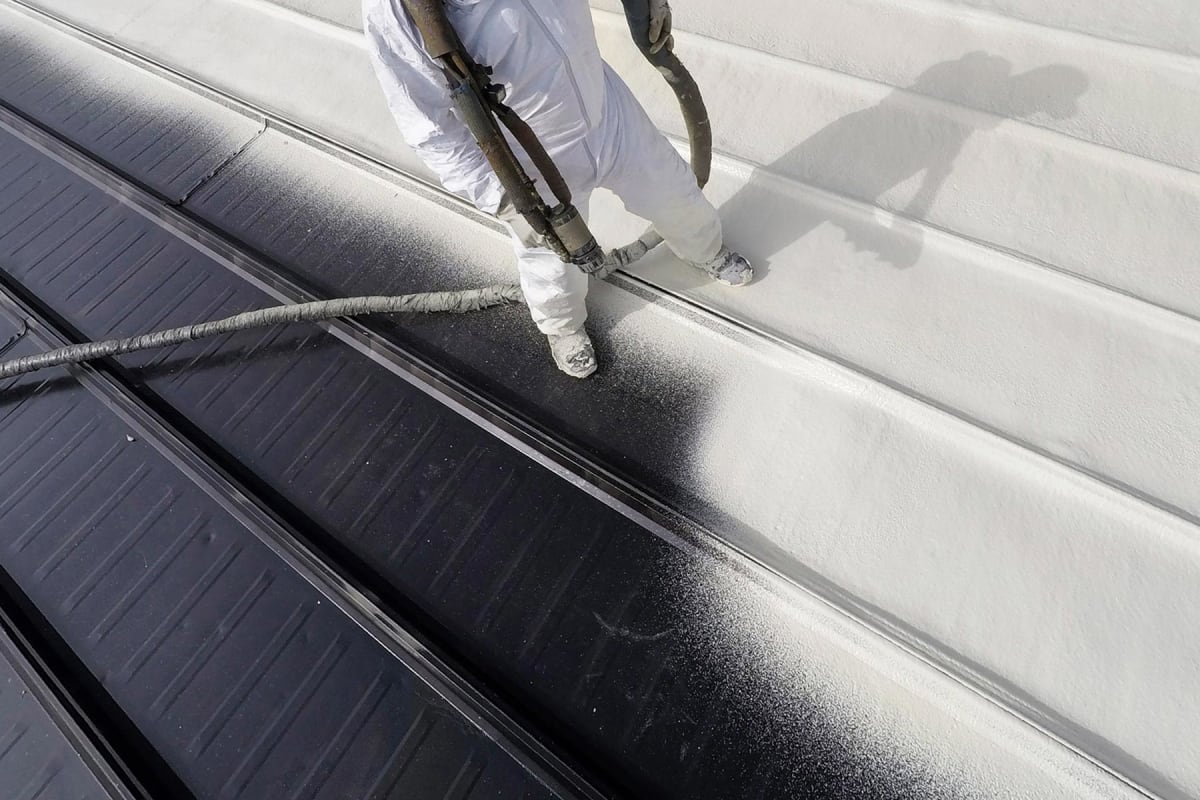
Yes, it adheres exceptionally well to metal. This is a common practice in warehouses to stop "sweating" or condensation that can drip onto equipment and inventory.
Does it help with noise reduction between office walls?
While it does provide some sound dampening because it seals air gaps, its high density makes it less effective at absorbing sound waves than open-cell foam. It is primarily used for thermal and structural benefits.
Will the foam smell after it is installed?
There is a brief odor during the curing process, which is why buildings must be ventilated and vacated. Once fully cured, typically within 24 hours, the material is inert and does not produce smells or harmful emissions.