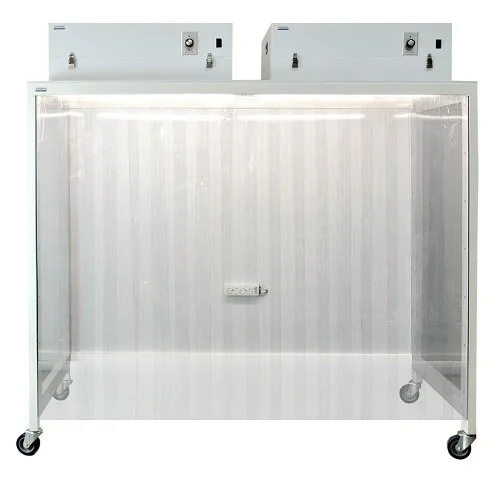
When you work with chemicals, powders, solvents, or hazardous vapors, maintaining clean and safe air becomes essential. Exposure to toxic fumes can affect your health, contaminate experiments, and create dangerous working conditions inside a laboratory. That is why you need reliable ventilation equipment designed specifically for hazardous environments. A properly designed laboratory fume hood helps you control airborne contaminants while protecting both personnel and sensitive processes.
Whether you manage a research lab, pharmaceutical facility, educational institution, or industrial workspace, understanding how a fume hood improves air safety helps you make smarter decisions for long-term laboratory protection.
What Is a Laboratory Fume Hood?
A high-performance laboratory fume hood for chemical safety is a ventilated enclosure that captures and removes harmful airborne particles, chemical vapors, gases, and fumes generated during laboratory procedures. It works by pulling contaminated air away from you and directing it through filtration or exhaust systems before releasing it safely outside the workspace.
Unlike general room ventilation, a fume hood focuses directly on the source of contamination. This targeted airflow dramatically reduces the risk of inhaling dangerous substances while maintaining a cleaner laboratory environment.
How a Laboratory Fume Hood Protects Air Quality
Captures Harmful Chemical Vapors
Many laboratory chemicals release toxic fumes that may not always be visible. Even low-level exposure over time can cause respiratory problems, headaches, skin irritation, or more serious health complications.
A laboratory fume hood continuously draws these vapors away from your breathing zone. This prevents contaminants from spreading throughout the laboratory and minimizes exposure during handling, mixing, heating, or testing procedures.
By containing hazardous emissions at the source, you create a safer environment for everyone working nearby.
Prevents Cross-Contamination
Airborne contamination can compromise experiments, damage sensitive materials, and affect product quality. In research and manufacturing environments, even small contaminants may interfere with test accuracy.
A fume hood improves air safety by isolating hazardous operations from the rest of the laboratory. Controlled airflow prevents particles and vapors from circulating freely, helping you maintain cleaner working conditions and more reliable results.
This becomes especially important in pharmaceutical, biotechnology, electronics, and chemical laboratories where precision matters.
Improves Employee Health and Safety
Laboratory workers often handle corrosive substances, volatile solvents, acids, and toxic chemicals. Without proper ventilation, these materials may create immediate and long-term health risks.
Using a laboratory fume hood helps reduce exposure to:
- Toxic chemical fumes
- Hazardous airborne particles
- Flammable vapors
- Acidic gases
- Biological contaminants
By improving indoor air quality, you help reduce workplace illnesses, enhance employee comfort, and support safer daily operations.
Reduces Fire and Explosion Risks
Some laboratory chemicals produce flammable vapors that may ignite when exposed to sparks, heat, or electrical equipment. A fume hood minimizes vapor accumulation by maintaining continuous airflow and safely exhausting dangerous fumes.
This airflow management lowers the chance of combustible concentrations forming inside the laboratory. When combined with proper safety protocols, a fume hood becomes an important layer of fire prevention.
Supports Regulatory Compliance
Laboratories must follow strict safety standards established by organizations such as OSHA, ANSI, and other regulatory agencies. Proper ventilation is often a mandatory requirement for handling hazardous materials.
Installing a reliable laboratory fume hood helps your facility maintain compliance with workplace safety regulations while demonstrating commitment to employee protection and environmental responsibility.
Regular maintenance and airflow testing further ensure that your equipment continues performing safely and efficiently.
Maintains Controlled Airflow
One of the most important safety features of a fume hood is controlled airflow. Air moves consistently from the laboratory into the hood enclosure, preventing contaminants from escaping into the room.
This directional airflow acts as a protective barrier between you and hazardous substances. Modern systems may also include airflow monitors and alarms that notify you if ventilation performance changes.
Consistent airflow ensures dependable protection during routine laboratory operations.
Enhances Productivity in the Laboratory
A safer workspace often leads to better productivity. When you know harmful fumes are being controlled effectively, you can focus more confidently on laboratory procedures without worrying about exposure risks.
Cleaner air also improves comfort within the laboratory, reducing odors and airborne irritants that may interfere with concentration or workflow efficiency.
Choosing the Right Laboratory Fume Hood
Not every laboratory has the same ventilation needs. The right fume hood depends on your applications, workspace size, chemical usage, and safety requirements.
When selecting a system, consider:
- Hood dimensions and workspace capacity
- Airflow performance
- Filtration efficiency
- Chemical compatibility
- Construction materials
- Energy efficiency
- Compliance standards
Working with experienced manufacturers helps ensure you choose equipment that meets both operational and safety demands.
You can explore advanced laboratory fume hood solutions for safe laboratory ventilation designed for research, industrial, and cleanroom applications.
Why Quality Manufacturing Matters
The effectiveness of a fume hood depends heavily on design quality and engineering precision. Poor airflow design may allow contaminants to escape, reducing protection and increasing risk.
That is why many laboratories trust CleaTech LLC laboratory safety equipment specialists for durable, high-performance laboratory solutions. Professionally engineered systems provide dependable airflow control, reliable containment, and long-lasting performance in demanding environments.
Choosing high-quality equipment also helps reduce maintenance issues and improves long-term operational reliability.
Best Practices for Safe Fume Hood Use
To maximize air safety, you should follow proper operating procedures when using a laboratory fume hood:
- Keep the sash at the recommended height
- Avoid overcrowding the workspace
- Position materials away from the hood opening
- Minimize rapid movement near the hood
- Perform regular inspections and maintenance
- Verify airflow performance routinely
Proper usage ensures your fume hood performs effectively and maintains consistent protection.
Conclusion
A laboratory fume hood plays a critical role in maintaining clean, safe air inside laboratories that handle hazardous substances. By capturing toxic fumes, controlling airborne contaminants, reducing fire risks, and improving worker safety, this equipment helps create a healthier and more efficient laboratory environment.
Investing in a properly designed ventilation system protects your employees, safeguards experiments, and supports long-term compliance with laboratory safety standards. If you are looking for dependable laboratory ventilation equipment, contact us today for professional laboratory safety solutions tailored to your workspace requirements.
FAQ About Laboratory Fume Hoods
What does a laboratory fume hood do?
A laboratory fume hood captures and removes hazardous chemical vapors, fumes, and airborne particles from the work area to improve air safety and reduce exposure risks.
Why is a laboratory fume hood important?
It protects laboratory personnel from inhaling harmful substances while helping maintain cleaner indoor air and safer working conditions.
How often should a laboratory fume hood be inspected?
Most laboratories perform airflow testing and inspections at least once per year, although high-use environments may require more frequent evaluations.
Can a laboratory fume hood remove all hazardous chemicals?
A fume hood significantly reduces airborne exposure, but proper chemical handling procedures and personal protective equipment should still be used for complete safety.
What industries use laboratory fume hoods?
Laboratory fume hoods are commonly used in pharmaceutical labs, research facilities, chemical manufacturing plants, biotechnology companies, educational laboratories, and industrial testing environments.